Linear Alkylbenzene (LAB): Market Outlook and Detergent Industry Demand
Linear alkylbenzene (LAB) is a critical petrochemical intermediate for the global detergent industry, and demand for household cleaning products continues to support its market outlook. The global LAB market was valued at USD 8.04 billion in 2025 and is projected to reach USD 8.68 billion in 2026, with forecasts indicating growth to USD 12.39 billion by 2034 at a compound annual growth rate (CAGR) of 4.5%.
For chemical traders, detergent manufacturers and procurement managers, this market presents opportunities alongside challenges related to feedstock costs, regional supply conditions and changing customer requirements. Understanding how LAB demand connects with detergent production can help buyers plan purchasing schedules, evaluate suppliers and manage sourcing risks more effectively.
What Is Linear Alkylbenzene and Why Does It Matter?
Linear alkylbenzene is an organic chemical produced primarily by reacting benzene with linear olefins. Manufacturers typically obtain the required hydrocarbon feedstocks from petrochemical processing, then use controlled production processes to achieve the properties required for downstream applications.
The chemical's principal role is as a raw material for linear alkylbenzene sulfonic acid (LABSA), which manufacturers produce by sulfonating LAB. LABSA can then be neutralized to produce linear alkylbenzene sulfonates (LAS), an important family of anionic surfactants used in cleaning formulations.
These surfactants help remove grease, oils and particulate soil from surfaces and fabrics. Their cleaning performance, foaming characteristics and cost effectiveness make them valuable in both household and industrial products.
LAB's commercial importance comes from its position in this supply chain. Rather than serving primarily as a finished consumer chemical, it connects petrochemical production with the large, recurring market for cleaning products.
How Detergent Demand Shapes the LAB Market Outlook
Laundry detergents represent a major source of LAB demand because manufacturers use LAS in powder and liquid formulations. Growth in household cleaning consumption therefore supports demand for LAB upstream.
Several factors influence this relationship:
Population growth and urbanization: Expanding urban populations increase demand for packaged household cleaning products and support the development of retail distribution networks.
Higher hygiene awareness: Households, hospitals, hotels, schools and commercial facilities require regular supplies of cleaning products.
Washing machine adoption: Greater use of washing machines supports demand for formulated laundry detergents designed for automatic washing.
Product diversification: Manufacturers serve customers through powders, liquids, concentrated detergents and other cleaning formats, maintaining demand for effective surfactant ingredients.
Industrial cleaning requirements: Factories and commercial facilities use specialized cleaning products for equipment, floors and other surfaces.
The dishwashing segment also contributes to market growth. LAB-derived surfactants provide grease removal and foaming properties that make them useful in many light-duty dishwashing liquids.
Market forecasts point to continued expansion in these applications. Fortune Business Insights projects a 5.5% CAGR for light-duty dishwashing liquids through its 2026 to 2034 forecast period, highlighting the importance of this downstream segment.
For LAB buyers, the practical implication is that detergent production trends offer useful signals when planning purchases. However, procurement teams should also monitor inventory levels, competing suppliers and feedstock economics rather than treating consumer demand as the only influence on prices.
Regional Demand and the Importance of Asia-Pacific
Asia-Pacific holds a leading position in the LAB market because the region combines substantial detergent consumption with established petrochemical manufacturing capacity. Fortune Business Insights estimates that the region accounted for 51.12% of global LAB market revenue in 2025.
China and India are important markets to monitor because of their large chemical industries and extensive detergent manufacturing sectors. Southeast Asian economies also contribute to demand as urban populations grow and consumers increasingly purchase branded laundry and dishwashing products.
Regional differences create opportunities for chemical traders:
Asia-Pacific: Large manufacturing networks and growing detergent consumption support both domestic sales and cross-border trade.
Europe: Established cleaning-product markets and environmental requirements influence surfactant selection and formulation development.
North America: Mature household cleaning markets continue to support demand for conventional and concentrated detergent formulations.
Middle East and Africa: Import requirements, expanding consumer markets and regional petrochemical production can create opportunities for suppliers and distributors.

Regional market leadership does not automatically mean every country offers the same procurement conditions. Freight costs, import duties, local production capacity, port infrastructure and payment terms can significantly affect the final delivered cost.
Buyers should compare suppliers on a delivered basis and assess whether local availability or imported material provides the better combination of price, reliability and specification compliance.
Feedstock Costs and the Factors Behind LAB Prices
LAB pricing depends heavily on petrochemical feedstock economics, production costs and the balance between supply and demand. Benzene and linear olefins form important parts of the production cost structure, making their price movements relevant to LAB purchasing decisions.
Several factors can influence market quotations:
Benzene prices: Changes in benzene availability and pricing can alter production economics.
Linear olefin availability: Feedstock shortages or tighter supply can increase costs for LAB manufacturers.
Energy and operating expenses: Electricity, fuel, maintenance and plant utilization influence production costs.
Plant operating rates: Outages, maintenance schedules and changes in operating rates can affect regional availability.
Freight and logistics: Ocean freight, insurance, port congestion and inland transportation contribute to landed costs.
Inventory cycles: Buyers building stocks before expected shortages can tighten prompt supply, while destocking may reduce near-term purchasing activity.
LAB is traded in a competitive petrochemical environment, so higher feedstock costs do not always translate into an equivalent increase in selling prices. Manufacturers may absorb some costs, while weak downstream demand can limit their ability to pass increases to customers.
Procurement teams should track quotations over time and compare them with feedstock trends. A single low offer may not represent the best purchasing decision if the supplier cannot deliver the required quantity on schedule or maintain consistent quality.
Supply Chain Risks and Supplier Selection
Reliable LAB sourcing requires more than finding a competitive quotation. Buyers must evaluate production availability, shipment schedules, documentation and the supplier's ability to meet recurring requirements.
Supply disruptions can arise from scheduled maintenance, unexpected plant outages, transportation delays or shifts in regional trade flows. These risks become particularly important for detergent manufacturers that depend on uninterrupted LABSA production.
A practical supplier assessment should cover the following areas:
Product specifications: Confirm the agreed grade, purity and relevant technical parameters against the buyer's manufacturing requirements.
Supply capacity: Check whether the supplier can meet the required volume and delivery frequency.
Documentation: Request the safety data sheet (SDS), technical data sheet (TDS), certificate of analysis and applicable shipping documentation.
Delivery terms: Compare the quoted Incoterms, freight arrangements, delivery lead times and allocation of transport responsibilities.
Commercial reliability: Review payment terms, order confirmation procedures and the supplier's record of fulfilling commitments.
Contingency planning: Where feasible, qualify a second supplier or maintain a reasonable inventory buffer based on actual consumption and replenishment time.
Chemical traders can add value by connecting buyers with suitable producers and distributors, consolidating purchasing opportunities and coordinating cross-border logistics. However, buyers should verify the material's origin, documentation and specifications before committing to a shipment.
Sustainability and the Shift Toward Biodegradable Surfactants
Environmental performance increasingly influences detergent formulation decisions. LAB-derived LAS has an established role in cleaning products partly because straight-chain surfactant structures can support biodegradability under appropriate conditions.
The environmental performance of a finished formulation still depends on its composition, use conditions and treatment after disposal. Buyers should therefore evaluate supplier documentation and applicable regulatory requirements instead of assuming that every product carrying a sustainability claim performs identically.
Detergent manufacturers may also focus on concentrated formulations, effective cleaning at lower temperatures and improvements in product efficiency. These developments can change surfactant requirements and influence the specifications that LABSA producers request from LAB suppliers.
For procurement managers, sustainability considerations can become part of supplier qualification. Useful questions include whether the supplier can provide consistent technical documentation, disclose relevant product information and support compliance with the regulations applicable in the destination market.
LAB Market Outlook for 2027 and Beyond
The medium-term outlook for LAB remains closely connected to household cleaning consumption, industrial hygiene and the expansion of detergent manufacturing in emerging economies. Market projections indicate that global revenue could rise from USD 8.68 billion in 2026 to USD 12.39 billion by 2034, representing a projected CAGR of 4.5%.
This growth outlook does not eliminate the possibility of short-term market volatility. Feedstock price changes, capacity additions, plant maintenance and fluctuations in downstream demand can all affect purchasing conditions during individual quarters.
Three developments deserve attention as buyers plan for 2027 and beyond:
Emerging-market consumption: Increasing access to branded detergents can create additional demand for LAB-derived surfactants.
Regional supply competition: Producers with reliable feedstock access, efficient operations and strong distribution networks may compete more effectively on delivered cost.
Changing formulation requirements: Demand for concentrated products and improvements in environmental performance may increase the importance of consistent quality and technical support.
Buyers should use these trends to inform purchasing plans rather than treating market forecasts as guaranteed price or demand outcomes. Regular supplier reviews and flexible procurement schedules can help businesses respond when conditions change.
What Procurement Teams Should Do Now
LAB buyers can improve sourcing decisions by connecting market monitoring with practical purchasing controls. The objective is to secure suitable material at a competitive delivered cost without compromising product quality or production continuity.
Start with a review of historical consumption, current inventory and expected order volumes. Use that information to establish purchasing intervals and determine how much reserve stock makes sense for the business.
Next, compare supplier quotations using consistent specifications, quantities, delivery locations and Incoterms. Ask suppliers to confirm lead times, available volumes and the documentation they can provide before evaluating the commercial offer.
Maintain visibility over benzene and linear olefin prices, freight conditions and downstream detergent demand. These indicators can help procurement teams recognize changing market conditions and decide when to request updated quotations.
Finally, build relationships with suppliers that demonstrate technical consistency and reliable delivery. A dependable supply arrangement can provide greater commercial value than a slightly cheaper offer that introduces avoidable delays or quality concerns.
For chemical traders, the opportunity lies in serving detergent manufacturers with dependable supply, transparent commercial terms and efficient logistics. For manufacturers, disciplined sourcing can support uninterrupted production while helping manage exposure to changing petrochemical costs.
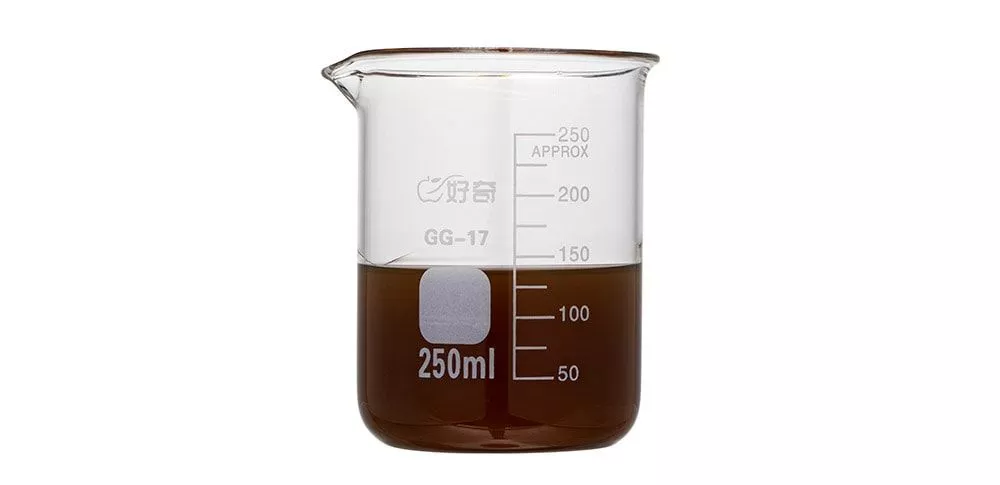
Linear Alkylbenzene Sulfonic Acid (90%) - India
Found this useful?