Soda Ash Light vs. Soda Ash Dense: Applications and Buyer Selection
Soda ash light and soda ash dense serve many of the same industries, but their physical differences can influence production efficiency, material handling and transportation costs. Both grades contain sodium carbonate (Na₂CO₃), yet their particle structure and bulk density make them suitable for different manufacturing requirements. For procurement managers, importers and chemical distributors, selecting the correct grade means looking beyond the quoted price per tonne.
Glass manufacturers generally favor dense soda ash because its granular form supports consistent bulk handling and reduces dust generation. Detergent producers and chemical manufacturers often prefer light soda ash when fine particles and rapid dissolution benefit their processes.
Understanding these differences helps buyers specify the right material, compare supplier offers accurately and avoid unnecessary changes to established production systems.
What Is Soda Ash Light and Soda Ash Dense?
Soda ash is the commercial name for sodium carbonate, an alkaline inorganic compound used in glass production, detergents, water treatment and chemical manufacturing. Producers supply light and dense grades to meet different physical handling and processing requirements.
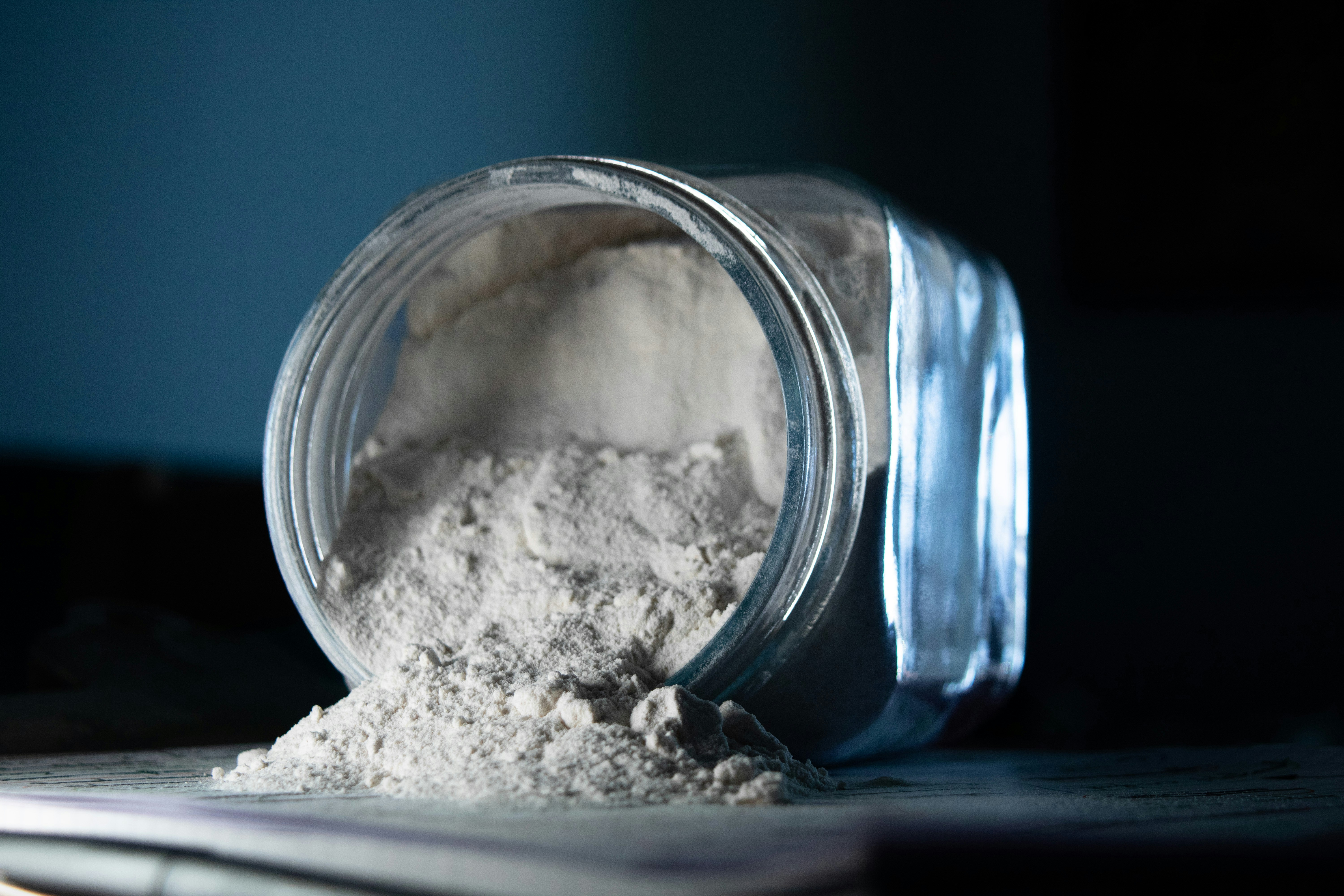
Soda ash light typically appears as a fine, white powder with relatively low bulk density. Its smaller particles generally disperse and dissolve more quickly in water, making it useful in processes that require rapid mixing or solution preparation.
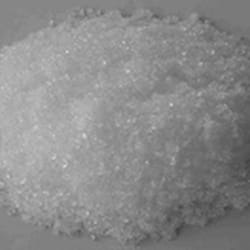
Soda ash dense consists of larger, heavier granules with higher bulk density. Manufacturers produce it through additional processing that increases particle density, creating a material that generally flows more consistently through bulk handling and automated feeding systems.
The distinction concerns physical form rather than a different chemical identity. However, buyers should still evaluate the actual sodium carbonate content, moisture level and impurity limits of each offered grade because specifications can vary between suppliers.
Key Differences That Influence Industrial Performance
The main differences between light and dense soda ash affect how manufacturers store, transport, feed and dissolve the material. These characteristics become particularly important in facilities that handle large quantities every day.
Bulk density: Light soda ash commonly falls around 500 to 600 kg/m³, while dense soda ash often falls around 950 to 1,200 kg/m³. Exact ranges depend on the supplier and specification, so buyers should request technical data for the offered grade.
Particle size: Light soda ash has a finer, powder-like structure. Dense soda ash has larger granules that typically flow more readily through industrial feeding equipment.
Dust generation: Fine particles can create more airborne dust during transfer and loading. Dense soda ash generally reduces dust compared with light soda ash, although appropriate handling controls remain necessary for both grades.
Dissolution: Light soda ash usually dissolves more quickly under comparable conditions. Dense soda ash may require more mixing time, depending on water temperature, concentration and process design.
Storage and transport: Dense soda ash occupies less volume per tonne, which can improve storage utilization and shipping efficiency where volume limits cargo capacity.
These differences do not mean that one grade is universally superior. A buyer should select the grade that matches the production process, equipment design and required material specification rather than treating density as a direct measure of chemical quality.
Where Soda Ash Light Delivers the Most Value
Soda ash light suits applications that benefit from fine particles, rapid dissolution and straightforward incorporation into mixtures. Its use across several industries makes it an important material for chemical traders serving manufacturers with varied production needs.
Detergent and soap manufacturing
Soda ash light helps regulate alkalinity and soften water in detergent formulations. Manufacturers use it in powder cleaning products and other formulations where the material must blend effectively with additional ingredients.

Chemical manufacturing
Producers use sodium carbonate in processes involving sodium-based compounds and alkalinity control. Light grade can suit operations that prepare solutions or require relatively quick incorporation of the raw material.

Water and wastewater treatment
Sodium carbonate can increase alkalinity and help adjust water chemistry. Light grade may suit treatment systems that benefit from quick dissolution, provided the dosing equipment can manage its powdery form.

Textile processing
Sodium carbonate supports alkaline conditions in selected textile preparation and dyeing processes. Light grade may offer practical advantages when operators prepare chemical solutions before introducing them into the production line.
The most suitable grade still depends on the plant's operating conditions. Buyers should confirm whether the production team prioritizes dissolution speed, low dust generation or compatibility with existing dosing equipment before finalizing a specification.
Why Soda Ash Dense Is Preferred for Glass Manufacturing
Glass production is one of the most important applications for dense soda ash. Manufacturers combine sodium carbonate with silica and other raw materials to produce glass, with sodium carbonate helping lower the temperature required to melt silica.
Dense soda ash offers practical advantages in glass batch preparation because its granular structure supports consistent feeding and blending. It also generates less dust during handling than the light grade, helping plants manage material losses and maintain cleaner processing areas.
Dense soda ash can also suit other industrial operations that handle large quantities of dry chemicals. Its higher bulk density helps reduce storage volume per tonne, while its flow characteristics can support automated material transfer.
Buyers in glass manufacturing should pay particular attention to:
Chemical purity: Confirm the sodium carbonate assay and the limits for iron and other impurities relevant to the final glass product.
Granule consistency: Check particle-size distribution against the plant's batch preparation and feeding requirements.
Feeding performance: Ensure the grade works with existing conveyors, hoppers and weighing systems.
Supply continuity: Confirm that the supplier can maintain the required specification and delivery schedule for ongoing production.
Dense soda ash is not automatically the right choice for every process. If a plant depends on fast dissolution in a liquid preparation stage, procurement teams should assess whether light grade better supports that specific requirement.
How Buyers Should Compare Prices and Total Procurement Costs
The lowest quoted price per tonne does not always represent the lowest overall cost. Soda ash light and dense differ in volume, handling behavior and packaging requirements, all of which can affect the cost of getting material into production.
For importers and distributors, landed cost should include the product price, freight, insurance, port charges, customs duties where applicable and inland transportation. Buyers should also consider how efficiently each grade uses the available container or warehouse volume.
Dense soda ash may offer a freight advantage when cargo volume limits the amount of material a shipment can carry. Light soda ash can occupy more space per tonne, which may affect loading efficiency even when the supplier quotes a competitive unit price.
Procurement teams should compare offers using the following steps:
Request equivalent specifications. Compare sodium carbonate content, moisture limits, impurity levels and the required physical grade rather than evaluating price alone.
Calculate delivered cost. Include freight, handling, packaging and destination charges to establish a realistic cost per usable tonne.
Review packaging options. Compare smaller bags, jumbo bags and bulk delivery according to the plant's unloading equipment, storage capacity and order volume.
Assess process costs. Consider dust-control requirements, dissolution time, material losses and any changes needed to existing feeding systems.
Evaluate supplier reliability. Review product consistency, lead times, documentation and the supplier's ability to fulfill repeat orders.
A fair comparison uses the same delivery terms, destination, quantity and specification for every quotation. This allows buyers to distinguish genuine cost advantages from differences in freight assumptions or product requirements.
Sourcing Risks, Quality Checks and Storage Requirements
A suitable grade can still cause production problems if its quality, packaging or delivery conditions fail to meet the buyer's requirements. Chemical traders and procurement managers should establish clear acceptance criteria before placing an order.
Start by requesting a Certificate of Analysis (COA) for the supplied batch and a current technical data sheet. Review the sodium carbonate assay, moisture content and relevant impurity limits, then confirm that the values meet the receiving plant's requirements.
Buyers should also check the following areas:
Grade identification: State soda ash light or soda ash dense explicitly on the purchase order. Avoid relying on a general product description that does not identify the required physical form.
Packaging integrity: Ensure bags or bulk containers protect the material from moisture during storage and transit.
Shipment inspection: Check packaging condition, batch identification and supplied documents when the material arrives.
Supplier consistency: Request notification before any change in specification, production source or packaging that could affect processing.
Both grades can absorb moisture and develop handling problems if exposed to unsuitable storage conditions. Keep the product in a dry, covered area, protect it from water ingress and reseal opened packaging appropriately.
Fine soda ash light can create more airborne dust during handling, so plants should use suitable enclosed transfer systems, ventilation and personal protective equipment. Dense soda ash generally reduces dust formation, but it does not remove the need for proper industrial hygiene and safe handling practices.
Which Soda Ash Grade Should Your Business Choose?
The correct grade depends on how a business uses, handles and transports sodium carbonate. Procurement teams can narrow their choice by starting with the production requirement rather than the supplier's product description.
Choose soda ash light when:
Your process benefits from fine particles and rapid dissolution.
You manufacture detergents, soaps or chemical formulations that require effective powder blending.
Your dosing equipment can handle fine material and the associated dust-control requirements.
Choose soda ash dense when:
Your plant manufactures glass and needs a suitable granular raw material for batch preparation.
Your handling systems prioritize consistent flow and reduced dust generation.
You purchase large volumes and want to assess the benefits of higher bulk density for storage and transportation.
For operations that use sodium carbonate in different stages, buyers should evaluate each application separately. A single facility may need one grade for a particular production line and another grade for a separate process.
Before switching grades, ask the production team to confirm equipment compatibility, dissolution performance and acceptance specifications. A controlled evaluation helps prevent procurement decisions from creating unexpected operational changes.
What Procurement Teams Should Do Before Ordering
A reliable soda ash purchasing strategy combines application suitability, documented quality and dependable supply. Buyers should establish the required grade before requesting quotations, particularly when sourcing for glass production, detergent manufacturing or chemical processing.
Before confirming an order, procurement teams should:
Specify the required grade, sodium carbonate content and acceptable impurity levels.
Request a batch-specific COA and relevant safety documentation.
Confirm packaging, order quantity, shipment schedule and delivery terms.
Compare total landed costs rather than relying exclusively on the supplier's quoted price.
Check that the selected grade meets the receiving plant's production and handling requirements.
Chemical distributors should also maintain clear product descriptions for both grades. Accurate specifications help customers distinguish soda ash light from soda ash dense and reduce confusion during quotation, order confirmation and delivery.
For buyers, the key principle is straightforward: select soda ash according to its intended application, then evaluate quality, logistics and supplier reliability together. Light grade generally supports processes that benefit from fine particles and faster dissolution, while dense grade offers advantages in granular handling and glass batch preparation.
Soda Ash Dense - India
Found this useful?