
Sodium Lauryl Ether Sulfate (SLES): Uses in Detergent and Personal Care Manufacturing
Sodium Lauryl Ether Sulfate (SLES) serves as a key raw material in the production of liquid detergents, shampoos, hand washes and other cleansing products. Manufacturers value this surfactant for its ability to lift dirt and oils, generate foam and support formulations across household cleaning and personal care markets.
For chemical traders and procurement teams, SLES offers opportunities across several product categories, from everyday cleaning liquids to specialized personal hygiene formulations. However, buyers need to evaluate active matter, impurity levels, product consistency and packaging before selecting a grade for commercial production.
What Is Sodium Lauryl Ether Sulfate (SLES)?
Sodium Lauryl Ether Sulfate, commonly abbreviated as SLES and also known as sodium laureth sulfate, is an anionic surfactant. It contains a water-attracting portion and an oil-attracting portion, allowing it to help water interact with grease, oily residues and other soils.
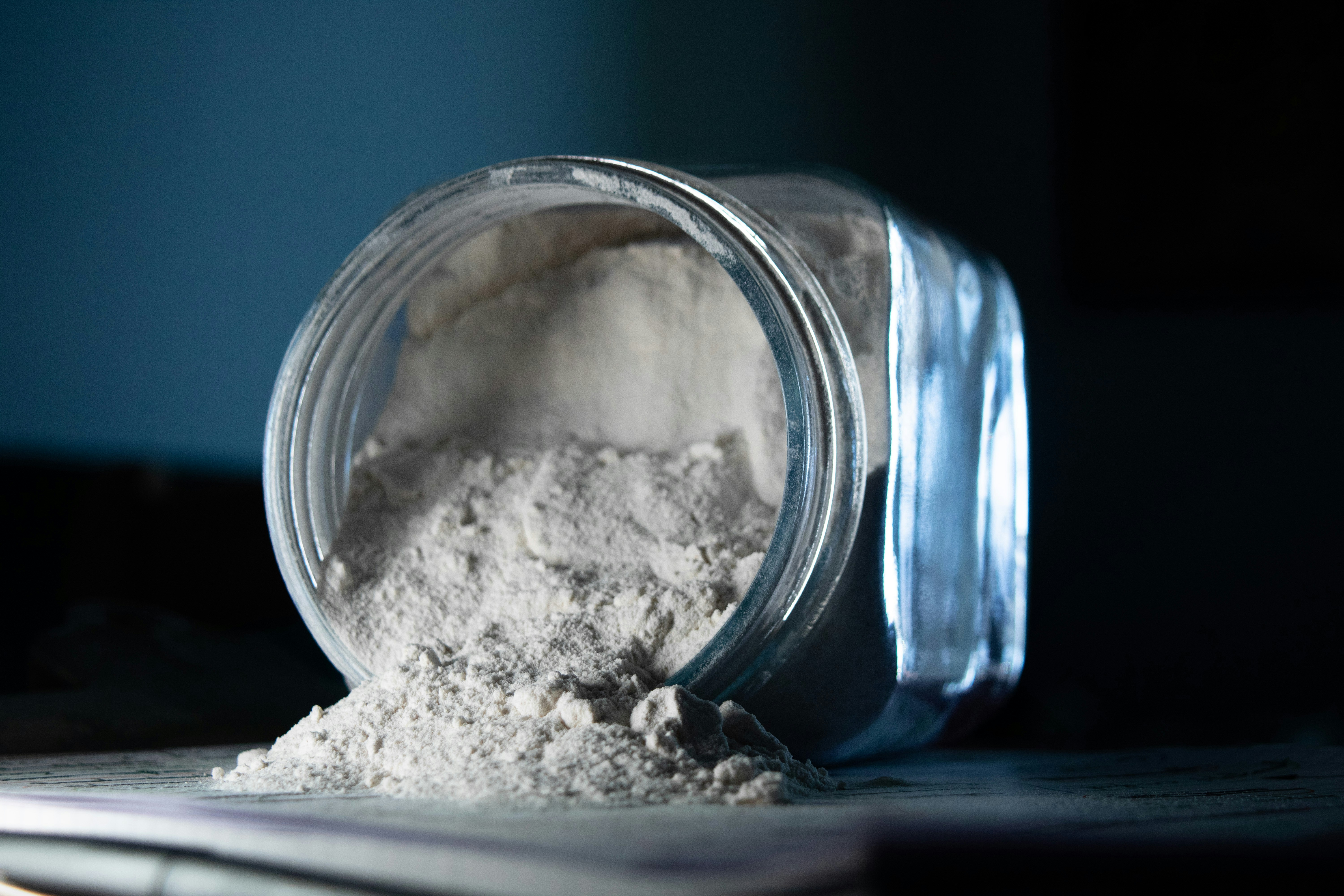
SLES commonly appears as a viscous paste or gel, ranging from colourless to pale yellow depending on the grade and supplier specification. Manufacturers can incorporate it into water-based formulations to provide cleansing, foaming and wetting performance.
Suppliers offer different concentrations, including grades with approximately 70% active matter and lower-concentration products around 28% to 30%. The appropriate grade depends on the manufacturing process, the required finished-product concentration and the equipment available for handling the raw material.
SLES differs from Sodium Lauryl Sulfate (SLS) because its production includes an ethoxylation step. This structural difference affects its formulation properties, including foaming behaviour and its performance in cleansing products.
How SLES Supports Detergent Manufacturing
Detergent manufacturers use SLES to help remove dirt, oily residues and everyday soils from washable surfaces. Its surfactant action helps loosen contaminants so water can carry them away during rinsing.
SLES also contributes to the foam that consumers associate with many liquid cleaning products. Although foam volume does not directly measure cleaning effectiveness, manufacturers often consider foam quality, stability and ease of rinsing when developing a detergent.
Common applications include:
Dishwashing liquids: SLES helps remove food residues and grease while producing foam during washing.
Liquid laundry detergents: Formulators use it to support soil removal and distribute oily contaminants through the wash solution.
Multipurpose cleaners: It contributes to cleaning performance in products designed for a range of household surfaces.
Bathroom and hard-surface cleaners: It can support wetting and removal of everyday dirt when combined with suitable ingredients.
Industrial cleaning formulations: Selected formulations use SLES to improve wetting, foaming and the removal of certain oily soils.
SLES rarely works alone in a finished detergent. Manufacturers combine it with other surfactants, builders, hydrotropes, preservatives, fragrances and other ingredients according to the product's intended purpose.
The formulator must balance cleaning strength, foam behaviour, viscosity and cost. Changes in surfactant ratios or electrolyte levels can affect the finished product, so manufacturers should validate the complete formulation rather than assess SLES in isolation.
Applications in Shampoo and Personal Care Products
Personal care manufacturing represents another major application area for SLES. Shampoo, body wash, shower gel and liquid hand wash formulations use it to remove accumulated oils, sweat and everyday dirt while producing a familiar foaming experience.
In shampoos, SLES provides cleansing and contributes to lather formation. Formulators may combine it with amphoteric surfactants such as Cocamidopropyl Betaine to adjust foam characteristics and improve the overall sensory profile of the product.

Liquid hand washes and shower gels also use SLES to support cleansing and foaming. The final texture, fragrance, appearance and skin feel depend on the full ingredient system, processing conditions and quality controls.
Other potential applications include certain facial cleansers, bubble baths and toothpaste formulations. Suitability depends on the product category, intended exposure, formulation design and applicable regulatory requirements.
Manufacturers should avoid assuming that all SLES grades suit every personal care application. Cosmetic-grade documentation, impurity limits and supplier quality controls become particularly important when producing products for sensitive-use categories or regulated markets.
Choosing Between SLES 70% and Lower-Concentration Grades
Active matter is one of the first specifications procurement teams should examine when comparing SLES offers. It indicates the proportion of active surfactant in the supplied material and helps manufacturers calculate the amount needed for a target formulation.
SLES 70% provides a concentrated raw material for manufacturers that want to reduce the amount of water transported with their surfactant supply. However, its viscous consistency can require controlled dilution, suitable mixing equipment and careful handling during production.
Lower-concentration grades may simplify handling in particular production systems, depending on the supplier's product design. Buyers should compare the total cost of use rather than purchase price alone, including freight, storage, dilution requirements and manufacturing efficiency.
Before selecting a grade, procurement teams should establish:
The active matter required by the formulation and production process.
The product's acceptable colour, pH and impurity limits.
The viscosity and handling characteristics needed for existing equipment.
The packaging format that suits storage capacity and production volumes.
The documentation required by quality assurance and regulatory teams.
A lower price per kilogram does not automatically indicate better value. Comparing offers on an active-matter basis can help buyers assess products with different concentrations more consistently.
Quality Specifications Buyers Should Check
SLES quality affects manufacturing consistency, finished-product appearance and formulation performance. Buyers should request a current Certificate of Analysis (COA) and Technical Data Sheet (TDS) for the exact grade offered.
Important specification parameters include:
Active matter: Confirms the surfactant concentration and supports formulation calculations.
pH: Helps determine whether the supplied material fits the manufacturer's processing and formulation requirements.
Colour and appearance: Important for products that require a consistent visual profile, particularly shampoos and transparent hand washes.
Sodium sulfate: Excess levels can influence formulation behaviour and finished-product properties.
Unsulfated matter or free oil: Helps buyers assess residual material against the agreed specification.
1,4-dioxane: Personal care manufacturers should pay particular attention to this potential process-related impurity and specify an appropriate limit for the intended market.
Not every supplier follows the same specification limits or testing methods. Procurement teams should compare results against a mutually agreed specification instead of assuming that every product labelled SLES 70% offers identical quality.
For recurring purchases, manufacturers can request representative samples and evaluate them through their normal incoming-material approval process. Consistent batch documentation and clear procedures for handling out-of-specification material can also reduce production interruptions.
Supply, Packaging and Storage Considerations
SLES procurement involves more than selecting a chemical grade. Packaging, transport conditions, delivery schedules and storage arrangements all affect the reliability of the supply chain.
Suppliers may offer SLES in industrial drums, intermediate bulk containers or other suitable bulk formats. Drum sizes and available configurations vary, so buyers should confirm net weight, container material and shipment quantity before finalizing a purchase.
For international shipments, procurement teams should evaluate the following factors:
Supplier reliability: Review production capacity, export experience, batch consistency and delivery history.
Logistics costs: Compare freight, handling, port charges and inland transport alongside the quoted product price.
Packaging integrity: Confirm that containers protect the material from contamination and remain properly sealed during transit.
Storage conditions: Follow the supplier's instructions for temperature, ventilation, container closure and protection from direct sunlight.
Supply continuity: Maintain realistic lead times and consider qualified alternative suppliers when production depends on uninterrupted deliveries.
SLES handling characteristics can change with concentration and temperature. Buyers should follow the grade-specific technical documentation rather than apply one storage or handling procedure to every product.
For importers and distributors, complete shipping documentation, batch traceability and an agreed inspection process help establish confidence between suppliers and downstream manufacturers.
Safety, Formulation Compatibility and Compliance
SLES can irritate the skin and eyes, particularly when handlers encounter concentrated material or experience prolonged exposure. Manufacturers should follow the supplier's Safety Data Sheet (SDS), use appropriate personal protective equipment and train employees in safe handling and spill procedures.
In finished personal care products, formulators must consider the concentration, exposure conditions and combined effects of the complete ingredient system. SLES can provide useful cleansing performance, but suitability depends on the intended product and its finished formulation.
Regulatory and quality expectations also differ between markets. Personal care manufacturers should verify applicable ingredient requirements, impurity limits, product labelling rules and customer standards before approving a grade for production.
When evaluating a supplier, buyers should request the SDS, TDS, COA and any additional compliance documents required for the destination market. Clear documentation helps procurement and quality teams assess whether the material meets both technical requirements and internal approval criteria.
Managing Costs and Supplier Selection
SLES purchasing costs can vary with raw material prices, manufacturing expenses, product concentration, energy costs, freight rates and regional supply conditions. Contract size and delivery terms can also influence the final landed cost for importers and distributors.
Procurement teams should compare supplier quotations using consistent commercial terms. A useful assessment includes the price per kilogram, active matter, minimum order quantity, packaging, payment terms, lead time and delivery location.
For manufacturers with recurring demand, planned purchasing can improve stock visibility and reduce the risk of unexpected shortages. Buyers should still balance inventory levels against storage capacity, working capital and actual consumption.
Supplier selection should also extend beyond the initial quotation. Reliable communication, complete technical documentation, consistent batch quality and a clear process for addressing complaints can make a substantial difference over a long-term supply relationship.
What SLES Buyers Should Prioritize Next
Demand from detergent and personal care manufacturers gives SLES an established role in the surfactant supply chain. Its broad applications create opportunities for chemical distributors, importers and traders that can match the right grade with the right manufacturing requirements.
For procurement teams, the strongest purchasing approach combines technical evaluation with commercial discipline. Before placing an order, buyers should confirm the concentration, quality specifications, impurity limits, packaging and documentation needed for their intended application.
Manufacturers should also review supplier performance regularly and assess whether alternative grades or qualified suppliers could improve operational flexibility. A consistent specification and a transparent purchasing process help reduce avoidable quality issues while supporting dependable production.
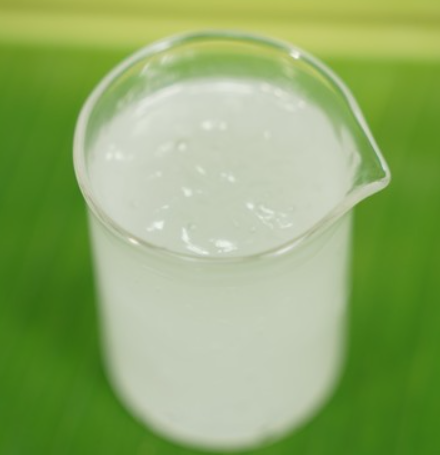
Sodium Lauryl Ether Sulfate (70%)
SOURCE LINK: https://ittehadchemicals.com/product/sles
Found this useful?