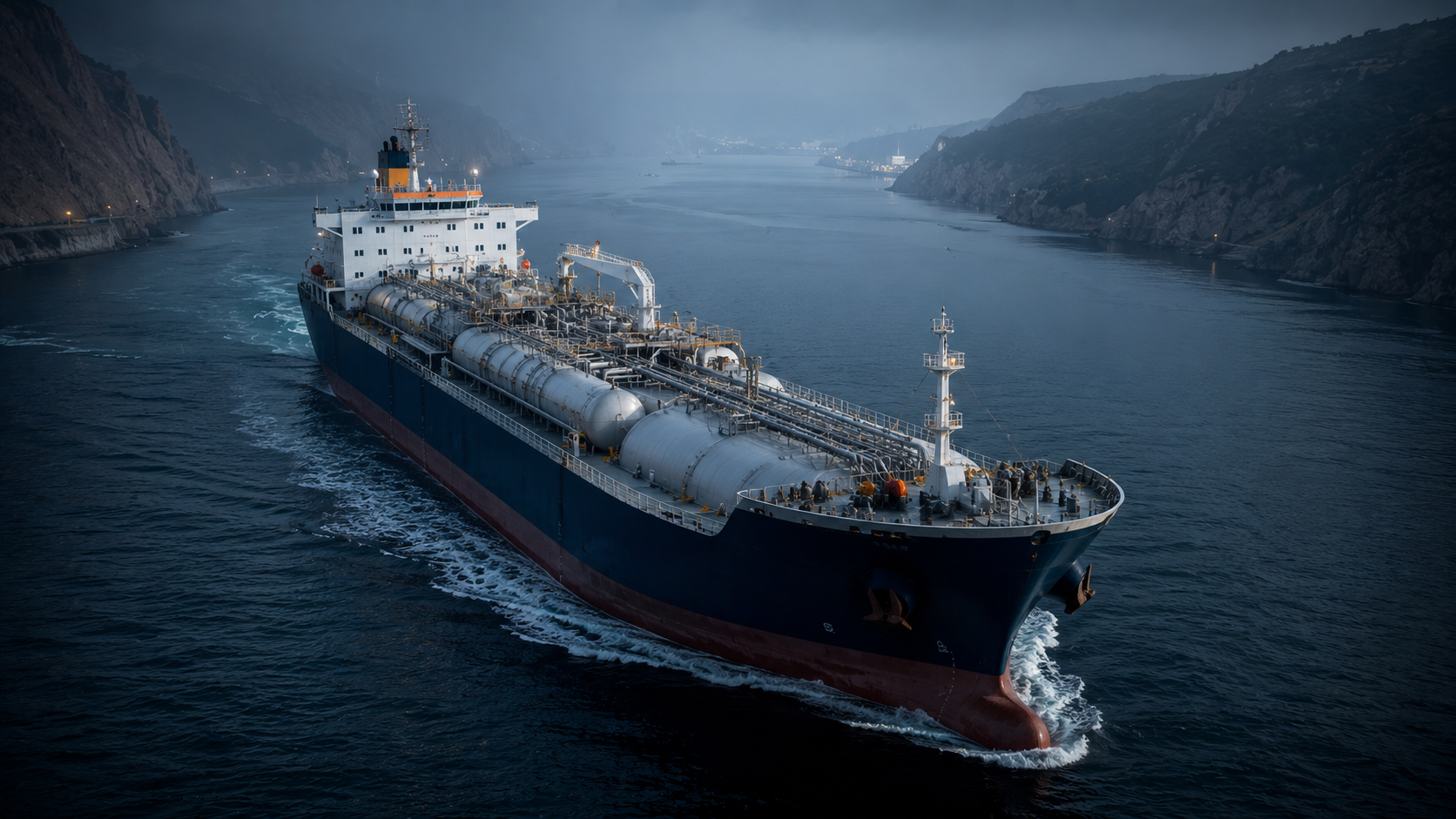
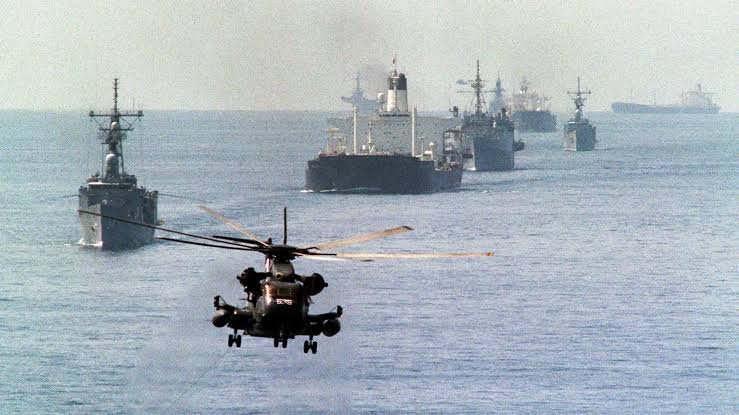
The petrochemical recovery timeline has changed sharply after the interim US-Iran agreement signed June 17 to reopen Hormuz collapsed, unwinding weeks of gradual shipping recovery. The reversal has placed one of the world's most important energy and chemical trade routes back at the center of procurement planning.
For chemical traders, importers and industrial buyers, the issue extends beyond vessel movements. A prolonged disruption can affect freight availability, delivery schedules, feedstock costs and the timing of a broader petrochemical market recovery.
The immediate challenge is uncertainty. Buyers that had started to plan around improving logistics must now reassess inventory, supplier diversification and exposure to renewed shipping pressure.
Hormuz Disruption Reverses the Recovery Path
The agreement had created expectations that shipping conditions could gradually improve and that market participants could begin rebuilding more predictable trade flows. Its collapse has reversed that direction, leaving the petrochemical sector facing a more uncertain recovery path.
The change matters because the Strait of Hormuz connects major energy and chemical production centers with global markets. Any renewed disruption can affect the movement of crude oil, refined products, liquefied gases and petrochemical feedstocks.
A recovery that appeared to be moving toward normalization now faces a new delay. Producers, traders and buyers must account for the possibility that logistics will remain unstable for longer than previously expected.
Why the Petrochemical Recovery Timeline Has Been Reset
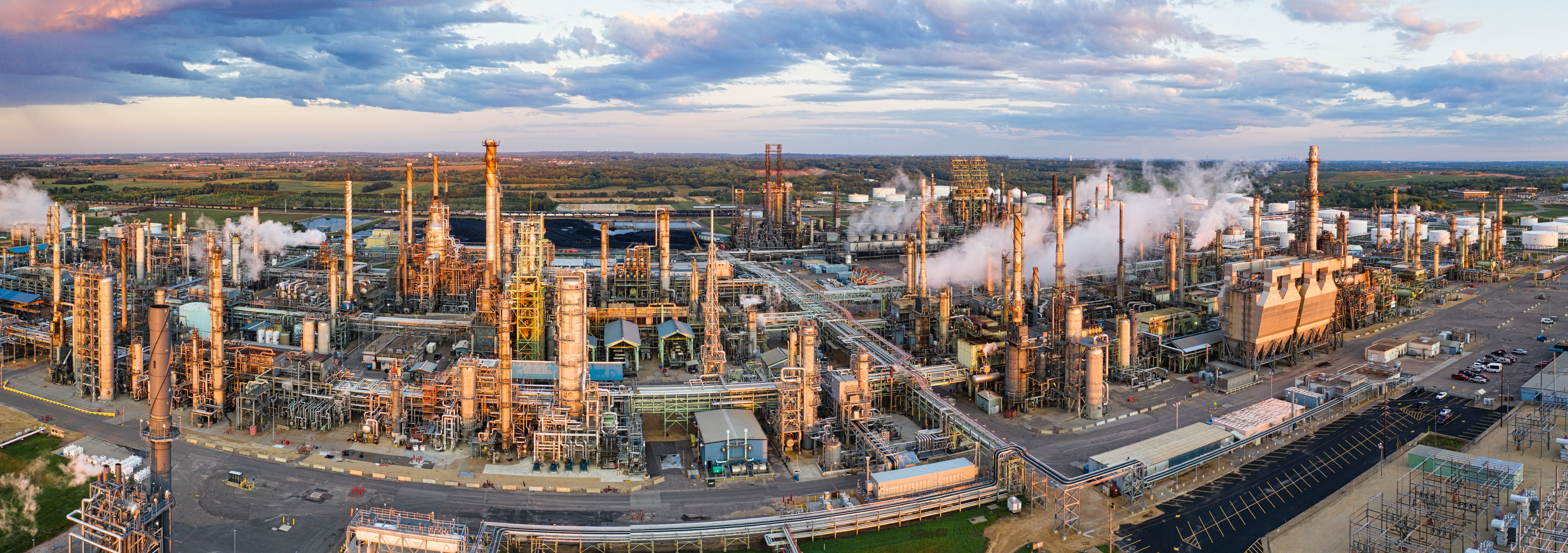
Petrochemical markets depend on multiple connected systems. Feedstock availability, production economics, vessel access and downstream demand all influence the speed at which prices and trade flows normalize.
The ceasefire collapse affects the recovery timeline through several channels:
Shipping uncertainty: Buyers may face less predictable vessel availability and longer lead times for cargoes moving through or near the region.
Freight pressure: Greater operational risk can raise transportation costs and encourage carriers to reassess routes and schedules.
Feedstock exposure: Disruptions affecting energy flows can influence the economics of producing polymers, solvents and other chemical products.
Inventory rebuilding: Companies may increase safety stocks, adding another source of demand pressure in already sensitive markets.
Delayed purchasing decisions: Buyers may postpone commitments while waiting for clearer information on logistics and pricing.
These factors can reinforce one another. Higher freight costs can raise delivered chemical prices, while supply concerns can encourage additional buying, creating further pressure on available cargoes.
Chemical Buyers Face a More Complicated Supply Picture
Procurement teams had been moving toward a more stable planning environment as shipping recovery progressed. The collapse of the agreement changes that calculation and forces buyers to review assumptions about lead times and replenishment.
The most exposed companies are those that depend heavily on a single trade route, a limited supplier base or just-in-time inventory systems. A disruption does not need to eliminate production to create problems. Even delays, rerouting or reduced vessel availability can affect downstream manufacturing schedules.
For buyers, the immediate questions include:
How many weeks of inventory are available for critical chemicals?
Which suppliers can offer alternative shipping routes?
Are current purchase contracts flexible enough to handle delays?
Can regional suppliers replace part of the volume if international shipments become unreliable?
How much additional freight cost can the business absorb?
These questions now carry greater importance because the recovery timetable has become less predictable.
The Impact on Petrochemical Prices and Margins
The collapse of the interim agreement does not automatically create the same price reaction across every chemical market. The impact depends on the product, origin, inventory position and availability of alternative supply.
However, renewed logistics risk can influence prices through several mechanisms. Higher transportation costs can increase delivered prices, while uncertainty around feedstocks can affect production margins and seller offers.
For commodity petrochemicals, buyers may see a widening gap between offers from different origins. Suppliers with secure logistics may command a premium, while cargoes exposed to uncertain routes may require longer lead times or additional risk pricing.
The effect on producers can also vary. Higher feedstock and freight costs may pressure margins, but constrained supply can support selling prices in some markets. Downstream manufacturers may face a difficult balance between securing material and avoiding excessive inventory at elevated prices.
Regional Supply Chains Could Become More Important
A prolonged disruption could accelerate a shift toward regional sourcing. Buyers that previously relied on long-distance supply chains may look for closer producers, alternative ports or suppliers located outside the most exposed trade routes.
This does not mean global trade will disappear. International suppliers often remain more competitive on cost, product quality or production scale. However, the balance between price and supply security may change.
The most practical response for many procurement teams could involve a blended strategy:
Maintain established international suppliers for cost efficiency and product consistency.
Add alternative suppliers from less exposed regions where technically and commercially suitable.
Build a defined safety stock for chemicals that are difficult to replace.
Review freight options before a disruption becomes an urgent purchasing problem.
The commercial value of diversification becomes clearer when logistics conditions change quickly. A second qualified supplier can provide more than price competition. It can give buyers flexibility when a primary route becomes difficult to use.
Producers and Traders Must Reassess Market Signals
The ceasefire collapse also changes how market participants interpret recovery indicators. A period of improving shipping conditions can support expectations of lower logistical pressure, but that assumption no longer carries the same weight.
Traders now need to monitor the interaction between geopolitical risk, vessel movements, freight availability and buyer inventory. These signals can provide an early indication of whether the market is moving toward renewed stress or beginning to stabilize again.
Producers face a similar challenge. Export planning becomes more complex when delivery windows become uncertain, particularly for products with strict customer schedules or limited storage capacity.
In this environment, commercial flexibility can become a competitive advantage. Sellers that can offer alternative shipment timing, reliable documentation and dependable communication may attract buyers even when their offers are not the lowest available.
Procurement Strategies for a Longer Recovery
The most important lesson for buyers is that recovery should not be treated as a single event. Markets can improve gradually, then lose momentum when a major geopolitical or logistics development changes the operating environment.
Procurement teams should focus on actions that improve resilience without creating unnecessary carrying costs:
Review critical inventory. Identify chemicals that could interrupt production if replenishment takes longer than expected, then set practical minimum stock levels.
Map supplier exposure. Understand which suppliers depend on vulnerable routes, ports or logistics networks. This helps distinguish a low-risk supplier from one that may face sudden delivery problems.
Request updated lead times. Current supplier schedules may no longer reflect the assumptions made during the recovery period. Buyers should obtain fresh delivery estimates before placing time-sensitive orders.
Compare landed costs. A lower product price may not represent the best deal if freight, insurance and delay risks significantly increase the final cost.
Keep alternatives qualified. Supplier diversification works best when alternative sources have already passed technical, quality and compliance checks.
The goal is not to overreact to every market signal. The goal is to avoid relying on a recovery timeline that has already changed.
What the Reset Means for the 2027 Market Outlook
The collapse of the June 17 agreement has pushed the petrochemical recovery timeline into a more uncertain phase. Instead of moving smoothly toward normalization, the market may experience a longer period of uneven recovery, with logistics conditions playing a larger role in pricing and supply decisions.
The outlook will depend on how long shipping disruption persists and whether alternative routes can absorb additional trade. It will also depend on how producers, traders and buyers respond to the renewed uncertainty.
A prolonged disruption could support investment in regional supply, additional storage and more flexible logistics planning. It could also encourage companies to treat supply security as a core procurement objective rather than a secondary consideration.
For the chemical trade, the central issue is timing. Every week of disruption can influence inventories, freight costs and purchasing behavior. The longer uncertainty continues, the more likely businesses are to adjust sourcing strategies that had been built around a faster recovery.
The Bottom Line for Procurement Teams
The collapse of the interim US-Iran agreement has reset expectations for petrochemical market recovery and reopened the risks surrounding Hormuz-linked supply chains. Buyers should prepare for greater volatility in delivery schedules, freight costs and regional availability rather than assuming that previous recovery trends will continue.
The strongest procurement response combines current market awareness with practical preparation. Companies that understand supplier exposure, maintain qualified alternatives and plan inventory around realistic lead times will have more flexibility as the market adjusts.
For chemical traders and industrial buyers, the immediate priority is not simply finding the lowest offer. It is securing dependable supply at a workable landed cost while the global petrochemical recovery timeline remains uncertain. Ready to source petrochemicals from verified global suppliers? Explore competitive offers on our platform today.