Chemical Inventory Strategy Reset: Why Pre-Crisis Just-in-Time Models Won't Return
The chemical industry operated on progressively leaner inventory models from 2020 to 2025. Average inventory days declined from 42 to 34 days across major producers. This optimization maximized working capital at the direct expense of operational resilience.
The 135-day Hormuz crisis shattered this fragile equilibrium. Companies with less than 30 days of inventory faced immediate production curtailment. Those maintaining 50 or more days continued operations while developing alternative supply routes.
This stark contrast has triggered a permanent chemical inventory strategy reset. Procurement managers must abandon the pre-crisis obsession with minimizing days of inventory on hand. Supply security now dictates operational planning.
The End of the Just-in-Time Era in Chemicals
Post-crisis behavior demonstrates a permanent strategic shift across the sector. Lean inventory is no longer a badge of operational efficiency. It is now recognized as a critical vulnerability.
Procurement professionals must redesign their supply chain frameworks to prioritize physical availability. The financial savings of extreme leanness pale in comparison to the revenue loss of a production halt. Companies must embrace buffer stock as a core component of risk management.
Major Producers Reset Their Inventory Baselines
Industry leaders are already formalizing this strategic pivot. BASF officially announced an increase in its target inventory days from 36 to 52 days in June 2026.
Dow committed to a strict 45-day minimum inventory level across all critical feedstocks during its Q2 earnings call. These adjustments represent a fundamental reordering of corporate priorities. Supply security now outweighs marginal working capital gains.
Downstream Demand for Force Majeure Protection
Customer industries are actively driving this inventory rebuild. Automotive and construction sectors now require chemical suppliers to demonstrate greater than 60 days of inventory.
This requirement serves as a mandatory buffer against future force majeure events. Buyers will no longer accept supply chain fragility as a valid excuse for production halts. Suppliers must prove their operational resilience to retain major contracts.

The €24 Billion Working Capital Deployment
This industry-wide inventory rebuild requires massive financial commitment. The top 50 global chemical producers will deploy approximately €18 to €24 billion in working capital.
This capital is no longer available for share buybacks or aggressive expansion. It is now locked in physical stockpiles of essential raw materials and finished goods. Finance teams must adjust their capital allocation models to reflect this new reality.
Structural ROIC Headwinds and Pricing Strategies
Holding additional inventory creates a structural return on invested capital (ROIC) headwind. Inventory carrying costs will permanently compress margins if left unaddressed.
Chemical companies must incorporate these new costs directly into their 2027 to 2030 financial planning. Pricing strategies will inevitably adjust to pass a portion of this carrying cost to downstream buyers. The market will absorb these costs as the new price of supply chain reliability.
What Procurement Teams Must Do Now
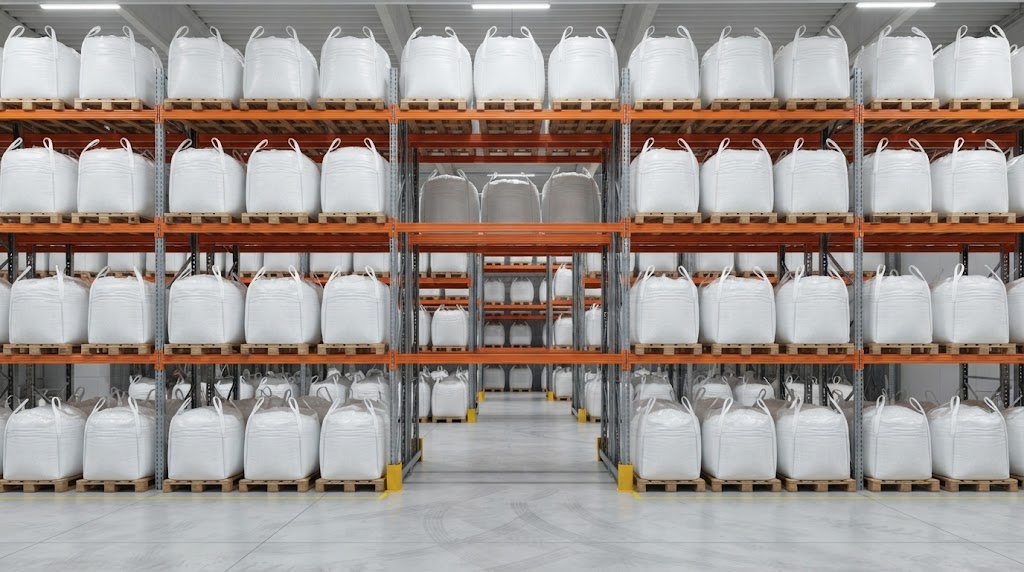
Supply chain leaders must immediately audit their current inventory levels against the new industry standards. Teams should identify critical feedstocks that require immediate stockpiling.
Negotiate longer payment terms with suppliers to offset working capital strain.
Update financial models to reflect permanent inventory carrying costs across all product lines.
Establish clear trigger points for activating emergency buffer stock during future logistical disruptions.
These proactive steps will protect the organization from the next inevitable supply shock. Agility requires both financial preparation and physical readiness.
The Bottom Line for Chemical Supply Chains
The era of extreme inventory leanness in the chemical sector is over. The Hormuz crisis proved that resilience requires physical buffers. Companies embracing this inventory strategy reset will secure long-term market stability.
Ready to source Styrene Monomer from verified global suppliers? Explore competitive offers on our platform today.
Sources
https://www.basf.com/global/en/media/news-releases/2026/inventory-strategy-reset
https://www.dow.com/en-us/news/2026/q2-earnings-critical-feedstock-inventory-commitment

Styrene Monomer
Found this useful?