Chemical Logistics and Transportation: Best Practices for Safe and Efficient Delivery
Chemical shipments require more than reliable vehicles and scheduled deliveries. Every movement involves decisions about product compatibility, packaging, handling conditions, transportation routes and safety procedures that directly affect cargo integrity and supply chain performance.
Chemical logistics and transportation play a central role in the global chemical trade, connecting manufacturers, distributors, exporters, importers and industrial buyers. Whether companies transport liquid chemicals in tankers, powdered materials in bags or hazardous substances in specialized containers, they need coordinated processes to maintain safety and delivery efficiency.
Poor logistics planning can lead to damaged packaging, chemical contamination, unexpected delays, regulatory problems and serious safety incidents. A structured transportation strategy helps businesses control these risks while improving delivery reliability and managing operating costs.
Understanding Chemical Logistics and Its Importance
Chemical logistics covers the planning, handling, storage and transportation of chemical products from manufacturing facilities to distributors, warehouses and final customers. It involves multiple service providers, including freight forwarders, shipping companies, warehouse operators, customs agents and specialized chemical carriers.
Unlike ordinary commercial goods, chemical products can have specific requirements related to temperature, moisture exposure, pressure, flammability, toxicity and chemical compatibility. Logistics teams must understand these characteristics before selecting transportation equipment or planning shipment routes.
Chemical logistics also affects commercial performance. A shipment that arrives late or in poor condition can interrupt production schedules, increase inventory expenses and damage relationships between suppliers and buyers.
For international chemical traders, an effective logistics operation should deliver several benefits:
Cargo protection: Appropriate packaging and handling prevent leakage, contamination and product deterioration.
Operational efficiency: Better route planning and shipment coordination reduce unnecessary transportation time and costs.
Regulatory compliance: Correct documentation, classification and labelling help shipments meet applicable transportation requirements.
Supply chain reliability: Consistent delivery schedules allow industrial buyers to manage procurement and production more effectively.
Workplace and environmental safety: Proper procedures reduce exposure risks and help prevent chemical releases during transportation.
Selecting the Right Transportation Method for Chemical Products
Transportation decisions depend on the chemical's physical properties, shipment volume, destination and handling requirements. Businesses should evaluate these factors before selecting a carrier or booking freight services.
Road, rail, sea and air transportation each serve different purposes within chemical supply chains.
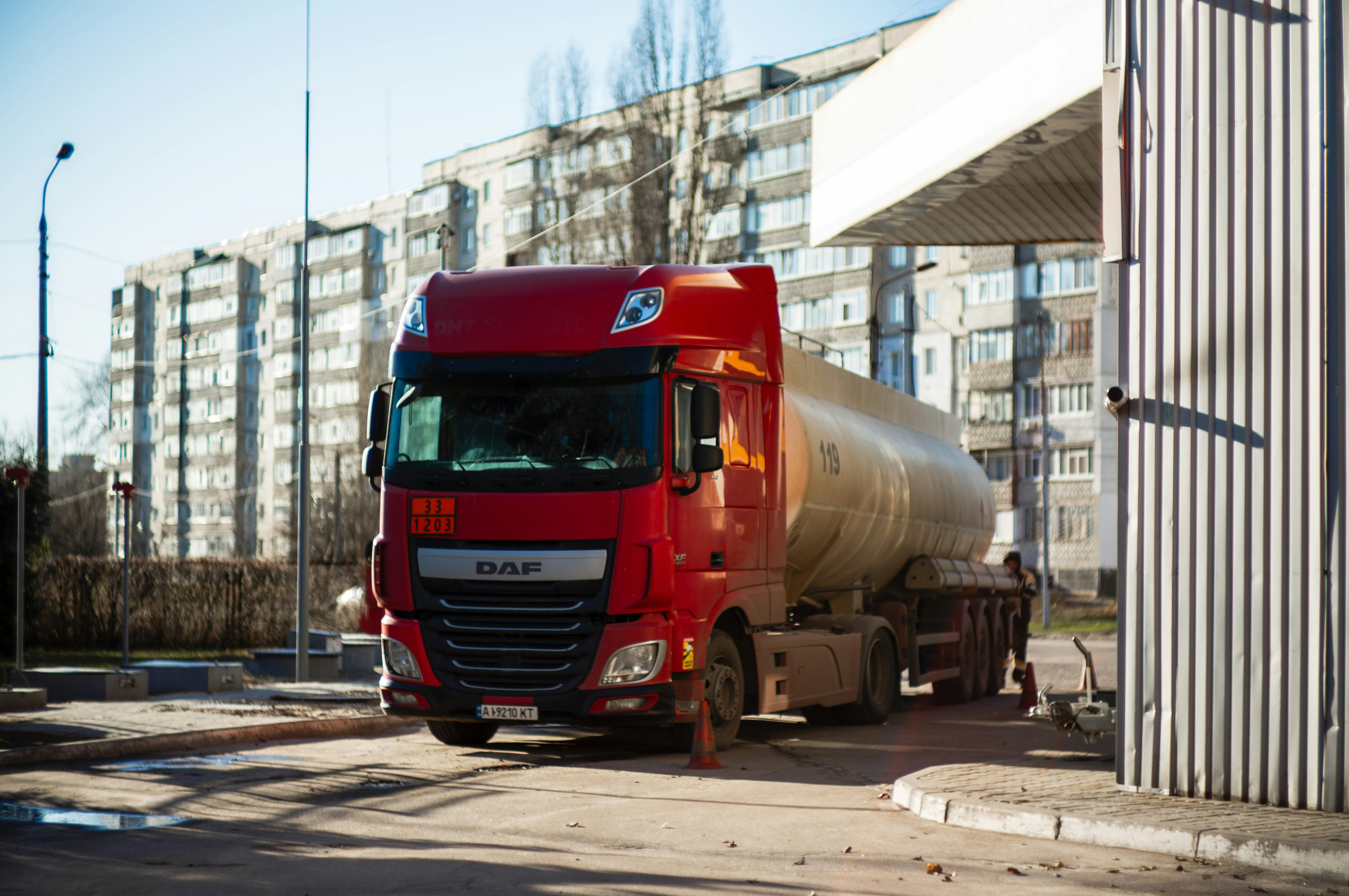
Road transportation provides flexibility for domestic distribution and regional deliveries. Tanker trucks, specialized trailers and secured freight vehicles allow carriers to transport liquid, solid and packaged chemical products between production facilities, warehouses and customer locations.
Rail transportation can support large-volume chemical movements over long distances. It often suits bulk commodities that require regular transportation between industrial production centers and distribution terminals.
Sea transportation plays a major role in international chemical trade. Chemical tankers transport bulk liquid products, while container ships carry packaged chemicals in drums, intermediate bulk containers and other approved packaging formats.
Air transportation serves selected chemical shipments that require faster delivery or involve relatively small quantities. However, dangerous goods face strict restrictions, packaging requirements and carrier acceptance conditions.
Procurement teams should compare transportation methods based on:
Product characteristics and applicable hazard classification.
Shipment quantity and packaging format.
Delivery deadlines and destination infrastructure.
Available specialized handling facilities.
Transportation cost, insurance and potential delays.
Applicable national and international regulations.
Selecting the cheapest transportation option does not always produce the best commercial outcome. Buyers should consider the complete cost of delivery, including handling, storage, insurance and potential losses from damaged or delayed cargo.
Safe Packaging, Labelling and Chemical Handling
Packaging represents one of the most important parts of chemical transportation. Even a reliable carrier cannot protect a shipment effectively if the packaging fails to withstand normal transportation conditions.
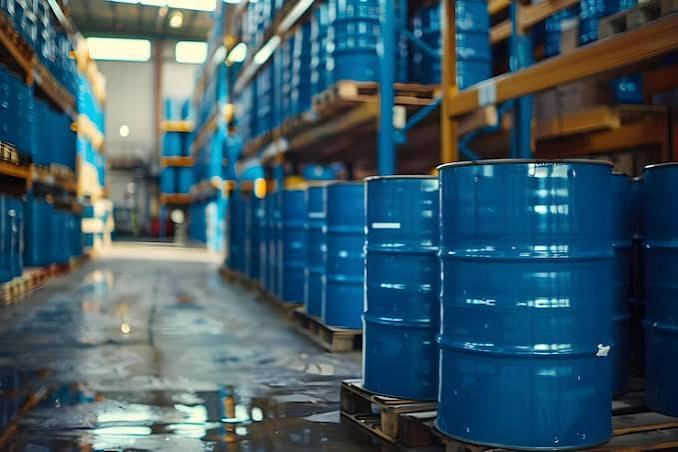
Different chemicals require different packaging solutions. Liquid products may travel in compatible drums, intermediate bulk containers or specialized tanker systems, while powders and granules may require moisture-resistant bags, sealed containers or bulk transportation equipment.
Businesses should consider the following packaging practices:
Check material compatibility: Packaging materials must withstand contact with the chemical and its expected transportation conditions.
Inspect containers before loading: Look for corrosion, cracks, damaged closures, leaks and other defects.
Secure all closures: Caps, valves, seals and fittings should remain properly secured throughout transportation.
Prevent moisture exposure: Hygroscopic chemicals and moisture-sensitive materials may require sealed and protected packaging.
Use appropriate containment: Secondary containment or other protective arrangements may help limit the consequences of leakage.
Labelling provides essential information to warehouse personnel, carriers, customs authorities and emergency responders. For regulated dangerous goods, labels, marks and transport documentation must follow the requirements applicable to the substance and transportation mode.
Companies should also maintain accessible Safety Data Sheets (SDS) and ensure that relevant personnel understand the product's hazards, handling precautions and emergency procedures.
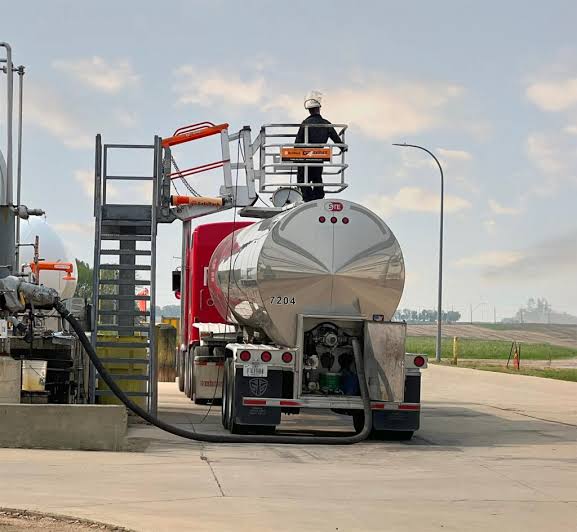
Safe transportation begins before a vehicle leaves the loading facility. Storage conditions, loading procedures and cargo compatibility all influence the condition of chemical products during transit.
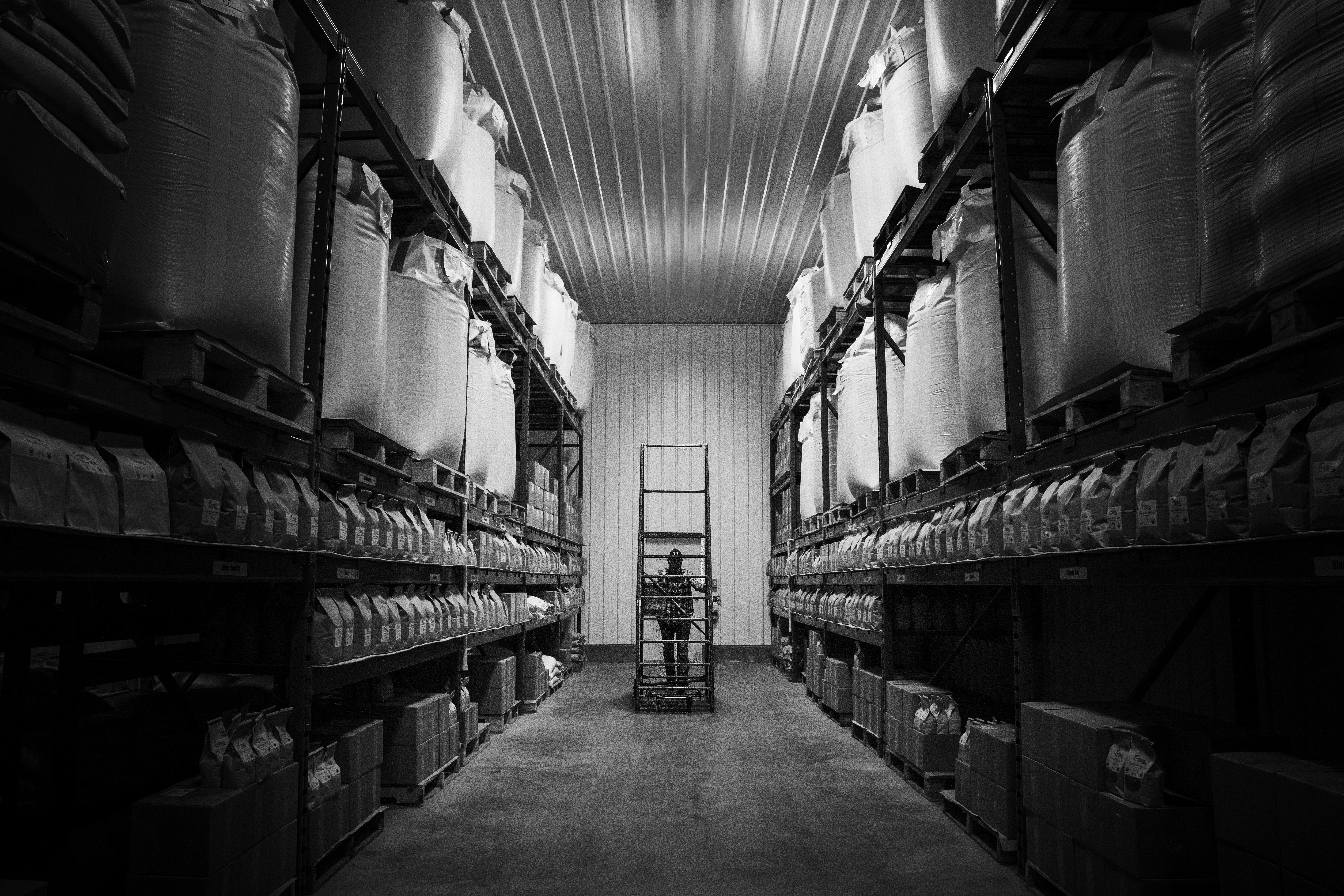
Chemical warehouses should organize products according to their physical and chemical characteristics. Businesses must pay particular attention to substances that could react dangerously if containers leak or become damaged.
For example, incompatible acids and oxidizing agents may create serious hazards if they come into contact. Storage and transportation teams should consult SDS information and relevant compatibility guidance before arranging products together.
Loading operations also require controlled procedures:
Inspect the loading area: Confirm that equipment, transfer lines and surrounding facilities meet operational safety requirements.
Verify the shipment: Match the product name, quantity, packaging and documentation against the purchase order and shipping instructions.
Check vehicle suitability: Confirm that the vehicle or tank has the correct specifications for the chemical.
Secure the cargo: Prevent movement, tipping or damage during transportation.
Complete loading checks: Inspect closures, valves and connections before releasing the vehicle.
For containerized shipments, proper cargo distribution and securing help prevent movement during road, rail and sea transportation. Companies should also avoid loading incompatible substances together unless the applicable rules and compatibility assessment explicitly permit it.
Chemical Transportation Regulations and Documentation
International chemical trade involves regulatory requirements that vary according to product classification, transportation mode and destination country. Businesses must understand these requirements before dispatching shipments.
The International Maritime Dangerous Goods (IMDG) Code provides an important framework for transporting dangerous goods by sea. It addresses classification, packaging, marking, labelling, documentation, stowage and segregation requirements.
The International Maritime Organization also establishes requirements for chemical transportation in bulk through the International Bulk Chemical (IBC) Code and related maritime conventions.
Road transportation requirements depend on the countries and jurisdictions involved. Some markets follow frameworks based on international dangerous goods recommendations, while others apply their own national regulations.
Common transportation documents include:
Commercial invoice and packing list.
Bill of lading for sea shipments or applicable transport documents for other modes.
Safety Data Sheet containing relevant chemical safety information.
Dangerous goods declaration where applicable.
Certificate of analysis (COA) when required by the buyer.
Customs declarations and country-specific permits.
Emergency response information and relevant transport instructions.
Documentation accuracy is essential. Differences between the declared product, actual cargo, packaging details and transportation documents can create customs delays, shipment rejection or compliance problems.
Exporters and importers should verify documentation requirements before dispatch rather than waiting until the shipment reaches the destination port.
Reducing Transportation Risks and Preventing Delivery Delays
Chemical transportation involves several risks that can affect safety, cargo quality and delivery schedules. Businesses need preventive controls rather than relying entirely on corrective action after an incident.
Some common challenges include:
Vehicle breakdowns: Poor maintenance can interrupt deliveries and create additional cargo-handling risks.
Packaging damage: Improper handling or inadequate cargo securing can result in leakage and product loss.
Weather disruptions: Extreme temperatures, heavy rainfall and storms can affect routes and storage conditions.
Port congestion: Delays at terminals can increase storage expenses and disrupt customer delivery schedules.
Regulatory problems: Missing permits, incorrect declarations or unsuitable packaging can prevent shipments from progressing.
Inadequate communication: Poor coordination between suppliers, carriers and buyers can lead to missed delivery windows.
Companies can reduce these risks through preventive maintenance, carrier assessments, route planning and shipment monitoring.
They should also establish alternative arrangements for critical shipments. Backup carriers, alternative routes and suitable temporary storage facilities can help maintain supply continuity when unexpected disruptions occur.
Real-time shipment tracking provides additional visibility. Logistics teams can monitor vehicle locations, expected arrival times and delivery progress while communicating important changes to customers.
Choosing Reliable Chemical Logistics Partners
Transportation providers directly influence the safety and reliability of chemical deliveries. Chemical traders and procurement managers should evaluate logistics partners based on their experience, technical capabilities and operational standards.
A general freight carrier may not have the equipment or training required for certain chemical products. Businesses should therefore select providers with relevant experience in handling the specific chemicals involved.
Important evaluation criteria include:
Industry experience: Check whether the carrier regularly handles similar chemical products and shipment volumes.
Equipment availability: Confirm access to suitable tankers, containers, transfer systems and protective equipment.
Safety management: Review operating procedures, employee training and incident-management practices.
Regulatory knowledge: Ensure the provider understands applicable dangerous goods transportation requirements.
Insurance coverage: Verify that insurance arrangements address the cargo and transportation risks involved.
Communication and tracking: Assess whether the provider offers shipment updates and clear escalation procedures.
Buyers should also establish clear responsibilities with logistics partners. Contracts and service agreements should identify who handles packaging checks, loading supervision, documentation, cargo insurance and incident reporting.
A dependable logistics partner can help companies avoid repeated operational problems and build more predictable international supply chains.
Improving Delivery Efficiency Through Technology and Planning
Technology can improve coordination across chemical supply chains by giving businesses better visibility into shipments, transportation costs and operational performance.
Digital logistics management systems allow companies to coordinate orders, track deliveries and organize transportation documents. Integrating these systems with procurement and inventory platforms can also reduce manual errors.
Several technologies can support better chemical logistics:
GPS tracking: Provides shipment location updates and improves delivery visibility.
Transport Management Systems (TMS): Help companies plan routes, allocate vehicles and manage freight operations.
Digital documentation: Reduces paperwork delays and improves access to shipment records.
Temperature monitoring: Helps businesses monitor products that require controlled transportation conditions.
Inventory management systems: Support better coordination between warehouse stock and incoming deliveries.
Companies should also measure transportation performance through practical indicators, including on-time delivery rates, freight costs per shipment, cargo damage frequency and average transit time.
These measurements help procurement managers identify weak points and compare the performance of different logistics providers.
What Chemical Buyers and Procurement Teams Should Prioritize
Chemical buyers need to consider transportation requirements during supplier selection and purchase negotiations. Focusing only on product price can create additional expenses if the supplier cannot arrange suitable packaging, documentation or reliable delivery.
Before confirming an order, procurement teams should clarify the following:
Delivery terms: Agree on applicable Incoterms, delivery responsibilities and the location where risk transfers.
Packaging specifications: Confirm container types, material compatibility and handling requirements.
Product documentation: Request relevant SDS, COA and transportation documents before dispatch.
Freight arrangements: Understand whether the supplier or buyer selects the carrier and manages transportation.
Insurance coverage: Establish who arranges insurance and what risks the policy covers.
Delivery schedules: Confirm realistic transit times and communication procedures for delays.
Receiving arrangements: Ensure the destination facility can safely unload, inspect and store the chemical.
Procurement teams should also coordinate with warehouse and production departments before scheduling deliveries. A shipment that arrives without suitable unloading equipment or available storage space can create unnecessary handling expenses and operational delays.
Building a Safer and More Efficient Chemical Supply Chain
Chemical logistics requires coordination between suppliers, transporters, warehouse operators, customs agents and industrial buyers. Each participant has a responsibility to maintain accurate information, appropriate handling procedures and reliable communication throughout the shipment process.
Businesses that prioritize chemical compatibility, suitable packaging, trained personnel and regulatory compliance can reduce transportation risks while improving delivery performance.
Technology and professional logistics partnerships provide additional opportunities to strengthen shipment visibility, control freight expenses and improve supply chain planning.
For chemical traders and procurement managers, the most effective approach combines safety with commercial efficiency. Careful transportation planning protects cargo, supports customer relationships and helps businesses maintain dependable access to essential industrial materials.
Methyl Caproate
Found this useful?