Chemical Warehousing: Storage Requirements and Inventory Management Strategies
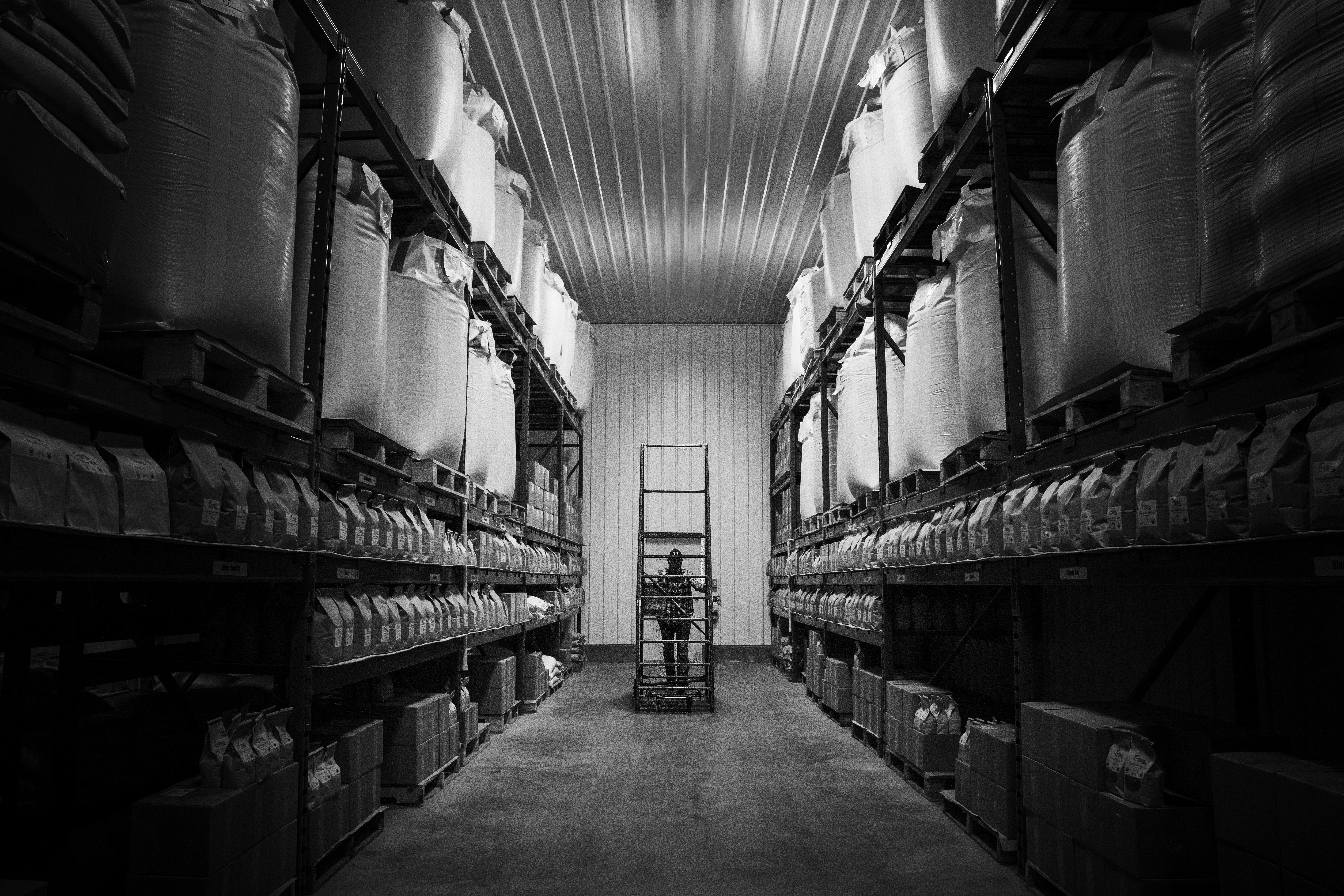
Chemical warehousing plays an important role in maintaining product quality, workplace safety and supply chain reliability across the global chemical industry. As chemical traders, manufacturers and distributors handle a wider range of industrial materials, they need storage facilities that can accommodate different chemical properties, packaging formats and handling requirements.
A well-managed chemical warehouse does more than store products until customers need them. It protects inventory from contamination, supports regulatory compliance, reduces material losses and helps procurement teams maintain consistent product availability. Effective storage requirements and inventory management strategies also allow businesses to control costs while responding to changing customer demand.
1. Why Chemical Warehousing Requires Specialized Management
Chemical products can have different physical and chemical properties. Some materials require protection from moisture, others need temperature-controlled environments, while certain substances require strict separation from incompatible chemicals.
These differences make chemical warehousing more complex than conventional storage operations. Businesses must consider product characteristics before assigning storage locations or establishing handling procedures.
Effective chemical warehousing supports several important business objectives:
Product quality protection: Appropriate storage conditions help prevent contamination, degradation and unwanted changes in product characteristics.
Workplace safety: Proper segregation, handling procedures and emergency controls reduce the risk of chemical exposure, spills and incompatible reactions.
Inventory availability: Organized storage helps warehouse teams identify available quantities and prepare customer orders without unnecessary delays.
Cost management: Better inventory control reduces expired stock, damaged packaging and unnecessary storage expenses.
Supply chain continuity: Reliable warehouse operations help distributors maintain stock availability when suppliers experience production or transportation delays.
For chemical traders and importers, these benefits directly influence customer satisfaction and commercial performance.
2. Essential Chemical Storage Requirements
Every chemical warehouse needs storage arrangements that match the materials it handles. Businesses should evaluate product specifications, safety information and supplier handling instructions before accepting chemicals into their facilities.
Several storage requirements deserve particular attention.
Temperature and humidity control
Temperature-sensitive chemicals may lose quality when exposed to excessive heat or unsuitable storage conditions. Humidity can also affect moisture-sensitive powders, salts and other materials.
Warehouse operators should monitor environmental conditions and maintain suitable ventilation and temperature controls according to individual product requirements.
Proper packaging and container selection
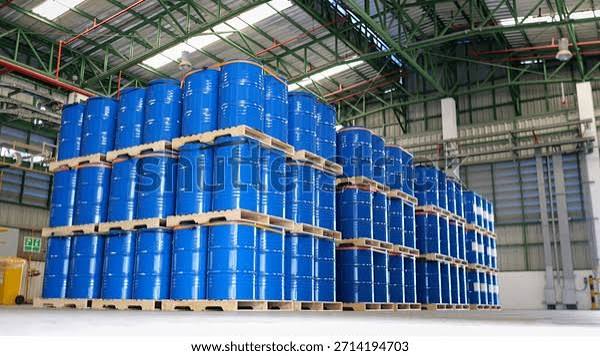
Chemical packaging must withstand the properties of the stored material and the conditions of transportation and storage. Drums, bags, tanks and intermediate bulk containers should remain suitable for the specific chemical they contain.
Warehouse teams should regularly inspect containers for:
Leakage, cracks or physical damage.
Corrosion around metal drums and fittings.
Damaged closures, valves or seals.
Moisture penetration and packaging deterioration.
Missing or unreadable product identification.
Damaged packaging requires prompt attention because even small leaks can create safety problems and product losses.
Ventilation and environmental protection
Some chemicals release vapours or require specific ventilation arrangements. Warehouses should provide suitable ventilation based on the materials stored and the applicable safety requirements.
Facilities should also protect chemicals from direct sunlight, water intrusion and other environmental conditions that could affect their stability or packaging.
3. Chemical Segregation and Warehouse Safety
Chemical segregation is one of the most important parts of warehouse management. Businesses must avoid storing incompatible substances together simply because they fit within the same available space.
For example, oxidizing agents may react dangerously with combustible or reducing materials. Acids and alkalis may also create hazardous reactions when they come into contact.
Warehouse operators should use product safety data sheets (SDS) and chemical compatibility information to determine appropriate storage arrangements.
Important segregation practices include:
Separate incompatible chemicals: Establish designated storage areas based on chemical compatibility rather than product names or packaging sizes.
Control access: Restrict access to authorized employees who understand chemical handling requirements.
Maintain clear identification: Display appropriate product labels, hazard information and storage instructions.
Provide spill containment: Use suitable secondary containment arrangements where required to prevent leaks from spreading.
Keep emergency equipment accessible: Maintain appropriate fire protection, spill response materials, eyewash stations and emergency exits according to the facility's risk assessment.
Warehouse safety priority
Chemical segregation decisions should follow compatibility information and applicable safety requirements, not convenience or available shelf space.
4. Inventory Management Strategies for Chemical Warehouses
Safe storage protects chemical products, but effective inventory management ensures businesses can track, control and distribute those products efficiently. Chemical distributors often manage multiple grades, packaging sizes, suppliers and customer orders, making accurate inventory records essential.
A structured inventory management system should cover the entire product lifecycle, from receiving shipments to dispatching finished orders.
1. Maintain an accurate chemical inventory register
Every warehouse should maintain an updated record of its stored chemicals. The register should contain essential product information, including:
Chemical name, grade and product identification.
Supplier name and country of origin.
Batch or lot number and manufacturing date.
Quantity received and current available stock.
Storage location and packaging type.
Expiry date or recommended retest date, where applicable.
Relevant hazard classification and storage instructions.
Accurate records help procurement managers identify available materials and prevent unnecessary purchasing.
2. Apply FIFO and FEFO inventory methods
Stock rotation helps businesses prevent unnecessary product deterioration and reduce losses.
Two common inventory methods include:
FIFO (First In, First Out): Warehouse teams dispatch older inventory before newer shipments. This method works well for products that do not have different expiry priorities.
FEFO (First Expired, First Out): Teams prioritize products with the earliest expiry dates, regardless of when they arrived. This approach suits chemicals with defined shelf lives.
For example, a distributor handling chemical additives with different manufacturing dates should monitor their recommended storage periods and dispatch priorities carefully.
3. Establish minimum and maximum stock levels
Chemical distributors need sufficient inventory to meet customer demand without occupying excessive warehouse space. Minimum and maximum stock levels help businesses maintain this balance.
A minimum stock level identifies when procurement teams should arrange replenishment. A maximum level prevents unnecessary purchasing and reduces the costs associated with holding excess inventory.
Businesses can establish these limits by reviewing historical sales, supplier lead times, customer requirements and seasonal demand patterns.
4. Conduct regular stock reconciliation
Physical inventory checks help identify differences between warehouse records and actual stock quantities. These differences may result from damaged packaging, incorrect receiving records, dispatch errors or unauthorized stock movements.
Regular reconciliation allows warehouse managers to investigate discrepancies and improve inventory accuracy.
5. Digital Technology and Warehouse Management Systems
Manual inventory records can become difficult to manage as chemical distributors expand their product portfolios. Digital warehouse management systems (WMS) offer a more structured approach to tracking inventory and coordinating daily warehouse activities.
A suitable WMS can support several important functions:
Real-time inventory visibility: Employees can check available stock and storage locations without relying on outdated spreadsheets.
Batch and lot tracking: Businesses can identify specific batches during order processing, quality investigations or product recalls.
Barcode scanning: Warehouse teams can record incoming shipments, stock transfers and dispatches with fewer manual entry errors.
Expiry monitoring: Automated alerts can help procurement and warehouse teams identify products approaching their recommended storage limits.
Order management: Integrated records help employees coordinate picking, packing and dispatch activities.
For larger chemical distributors, digital systems can also connect purchasing, sales, warehouse operations and logistics into a coordinated process.
However, technology cannot replace proper warehouse procedures. Employees still need accurate product information, appropriate training and clear instructions for handling hazardous materials.
6. Receiving, Handling and Dispatching Chemical Inventory
Inventory management begins when a shipment reaches the warehouse. Poor receiving procedures can introduce incorrect products, damaged containers or documentation gaps into the storage system.
A structured receiving process should include several checks:
Incoming shipment inspection
Warehouse employees should compare delivered products against purchase orders and supplier documentation. They should verify product names, grades, quantities, packaging conditions and batch details.
Teams should also review available SDS documentation and identify any special storage requirements before assigning a storage location.
Safe internal transportation
Chemical products require appropriate handling equipment based on their packaging, weight and hazard characteristics. Forklifts, pallet trucks and other material-handling equipment should operate according to established warehouse traffic procedures.
Warehouse operators should avoid placing chemical containers in areas where vehicle movement could cause collisions or packaging damage.
Order picking and dispatch
Before dispatching customer orders, employees should confirm the product grade, batch number, quantity and packaging condition.
Additional checks should include:
Matching the selected product against the customer purchase order.
Inspecting containers for leaks or damage.
Confirming that the packaging suits the planned transportation method.
Preparing relevant product and shipment documentation.
Applying appropriate transport labels and handling requirements.
These checks help prevent delivery errors and reduce disputes between chemical suppliers and buyers.
7. Regulatory Compliance, Documentation and Employee Training
Chemical warehouse operators must understand the regulations that apply to their storage activities. Requirements differ between countries and depend on chemical classifications, quantities, facility operations and transportation arrangements.
For international chemical traders, compliance can involve several areas:
Hazard communication: Employees need access to relevant Safety Data Sheets and appropriate product labels. In the United States, OSHA's Hazard Communication Standard establishes requirements for workplace chemical hazard information and employee training.
Occupational Safety and Health Administration
Storage and fire protection: Facilities handling flammable, corrosive or highly hazardous substances must evaluate suitable building arrangements, fire protection systems and emergency controls.
Chemical inventory reporting: Certain jurisdictions require businesses to maintain chemical inventories and submit information to relevant authorities when reporting thresholds apply.
Employee training: Warehouse personnel should understand chemical hazards, appropriate protective equipment, spill response procedures and emergency reporting responsibilities.
Businesses operating across international markets should review local requirements rather than assume that one country's storage standards apply everywhere.
8. How Chemical Traders Can Improve Warehouse Efficiency
Warehouse efficiency directly affects operating costs, product availability and customer service. Chemical traders can improve performance by combining practical storage procedures with accurate inventory planning.
Several strategies can support better results:
Organize storage by product characteristics: Assign storage locations according to compatibility, environmental requirements and handling needs.
Use warehouse space efficiently: Plan storage layouts around safe access, suitable equipment movement and product-specific requirements.
Monitor slow-moving inventory: Identify products that remain in storage for extended periods and review future purchasing requirements.
Coordinate procurement with warehouse capacity: Avoid accepting shipments that exceed available or approved storage capacity.
Review supplier performance: Track delivery reliability, packaging quality, product documentation and consistency between shipments.
Establish performance indicators: Monitor inventory accuracy, stock turnover, order fulfilment time, damaged stock and warehouse utilization.
These measures help procurement managers make better purchasing decisions while allowing warehouse teams to maintain operational control.
9. Building a Reliable Chemical Warehousing Strategy
A successful chemical warehousing operation requires coordination between procurement, suppliers, warehouse employees and logistics providers. Businesses should treat storage and inventory management as connected parts of their overall supply chain strategy.
Chemical traders can strengthen their operations by focusing on five priorities:
1. Review storage capacity: Evaluate available space, approved storage limits and the requirements of incoming products before confirming large purchases.
2. Improve supplier coordination: Request accurate product specifications, updated SDS documents and suitable packaging information before shipment arrival.
3. Invest in employee development: Provide regular training on chemical identification, storage compatibility, inventory procedures and emergency response.
4. Introduce routine warehouse inspections: Check storage conditions, packaging integrity, inventory records and safety equipment at scheduled intervals.
5. Use inventory data for purchasing decisions: Review stock movement and customer demand before placing replenishment orders to avoid shortages and excess inventory.
For international buyers and distributors, these practices also improve sourcing decisions. A supplier offering competitive prices may not provide the best overall value if its packaging, documentation or delivery arrangements create additional warehouse costs.
Businesses should therefore evaluate suppliers based on product quality, consistency, documentation and logistics reliability alongside purchase price.
Chemical warehousing is a critical part of responsible chemical distribution. Companies that combine appropriate storage conditions, chemical segregation, accurate stock records and disciplined warehouse procedures can protect their inventory while improving operational efficiency.

Hydrogen Peroxide (35%) - Thailand
SOURCE LINK :https://www.osha.gov/warehousing/hazards-solutions
Found this useful?