
Citric Acid: Applications and Procurement Trends in Food and Beverage Manufacturing
Citric acid remains one of the most widely used ingredients in food and beverage manufacturing, with applications ranging from soft drinks and fruit juices to confectionery, sauces and processed foods. Recognised internationally as INS 330, it serves several functions, including acidity regulation, flavour enhancement, antioxidant support and colour retention.
Manufacturers rely on citric acid to maintain consistent product characteristics across large production volumes. As food companies expand product ranges and respond to changing consumer preferences, procurement teams must pay closer attention to product grades, purity, supplier reliability and landed costs. Understanding these factors helps buyers secure suitable materials while maintaining production efficiency and finished-product quality.
What Makes Citric Acid Important in Food Manufacturing?
Citric acid is a naturally occurring organic acid found in citrus fruits and several other plant sources. Commercial manufacturers primarily produce it through microbial fermentation, using carbohydrate-based raw materials and selected microorganisms. The fermentation process produces citric acid, which manufacturers then recover, purify and crystallise for commercial distribution.
Full Profile+1
Its versatility makes it valuable across different food processing operations. Manufacturers can adjust acidity, improve flavour balance and support product stability without introducing a complicated formulation process.
Citric acid performs several important functions:
Acidity regulation: It helps manufacturers control pH levels and maintain the desired acidic environment in food and beverage formulations.
Flavour enhancement: It contributes a clean, sour taste that balances sweetness in beverages, confectionery and fruit-based products.
Antioxidant support: It helps limit certain oxidation-related changes by binding metal ions that can contribute to deterioration.
Colour retention: It supports colour stability in selected food formulations by helping manage conditions that cause unwanted colour changes.
Sequestration: It binds certain metal ions that can affect product quality, flavour and stability.
These combined properties explain why food processors purchase citric acid for multiple production lines rather than relying on it for a single application.
Major Applications Across Food and Beverage Categories
Food and beverage manufacturers use citric acid in different concentrations depending on their formulations, processing conditions and finished-product requirements.
1. Carbonated and non-carbonated beverages
Soft drink producers use citric acid to establish the desired acidity and balance sweetening ingredients. It also contributes to the characteristic tart flavour of citrus drinks, fruit beverages and flavoured water.
Juice manufacturers use it to manage acidity and maintain consistent taste across production batches. Beverage companies also consider citric acid when developing powdered drink mixes and concentrated beverage preparations.
2. Confectionery and sweets
Candy, gummies, jellies and sour confectionery products frequently incorporate citric acid to create distinctive acidic flavour profiles. It can also help manufacturers manage pH during production and maintain consistency between batches.
3. Sauces, dressings and condiments
Manufacturers of ketchup, mayonnaise-based dressings, marinades and prepared sauces use citric acid to regulate acidity and support product formulation. Its interaction with other ingredients can influence flavour balance and stability.
4. Dairy and processed foods
Selected dairy products, processed cheese formulations and other prepared foods use citric acid for acidity adjustment and specific processing functions. Its application depends on the food category and the manufacturer's technical formulation.
5. Jams, jellies and fruit preparations
Citric acid helps establish suitable acidity in fruit-based products. This supports flavour development and contributes to the conditions required for gel formation when manufacturers combine it with appropriate pectin systems.
The Codex General Standard for Food Additives recognises citric acid as an acidity regulator, antioxidant, colour retention agent and sequestrant across permitted food categories.
FAOHome+1
Anhydrous and Monohydrate Grades: Understanding Buyer Requirements
Food manufacturers generally encounter two major commercial forms of citric acid: anhydrous and monohydrate. Both serve food processing applications, but their moisture characteristics influence handling, formulation and purchasing decisions.
Citric Acid Anhydrous
Anhydrous citric acid contains no water of crystallisation. Its characteristics make it suitable for applications where manufacturers need tighter control over moisture content.
Common applications include:
Powdered beverage preparations and instant drink mixes.
Dry food ingredient blends.
Confectionery formulations requiring controlled moisture levels.
Certain effervescent and specialised food preparations.
Citric Acid Monohydrate
Citric acid monohydrate contains one molecule of water of crystallisation for each molecule of citric acid. Manufacturers commonly use it in beverage preparations, liquid food formulations and other applications where its specific grade characteristics meet production requirements.
Buyers should not treat these two forms as automatically interchangeable. Their molecular weights, moisture characteristics and dosage calculations differ, so formulation teams should confirm the required grade before procurement.

Citric Acid Procurement Trends Shaping Food Manufacturing
Procurement strategies for citric acid increasingly involve more than selecting the lowest available price. Food manufacturers must balance material costs with quality consistency, delivery schedules and regulatory requirements.
Several purchasing trends influence sourcing decisions.
Greater attention to food-grade specifications
Food companies increasingly require suppliers to provide documentation that demonstrates compliance with relevant food additive standards. Buyers evaluate certificates of analysis, technical specifications and manufacturing quality documentation before approving new suppliers.
Preference for dependable long-term supply
Beverage manufacturers and large food processors often require regular deliveries to support continuous production. Supply agreements can help buyers manage purchasing schedules, reduce exposure to sudden shortages and maintain consistent inventory levels.
More structured supplier comparisons
Procurement departments compare suppliers based on several commercial and technical factors:
Product purity and consistency across batches.
Country of origin and manufacturing capabilities.
Packaging options and storage conditions.
Delivery lead times and shipment reliability.
Documentation and certification availability.
Total landed cost rather than quoted product price alone.
Interest in diversified sourcing
Relying on a single supplier can create procurement difficulties when production interruptions, shipping delays or unexpected demand changes occur. Buyers increasingly benefit from maintaining relationships with alternative qualified suppliers across different sourcing markets.
Demand for transparent product information
Importers and food manufacturers want clear information about the product's grade, origin, packaging and quality parameters. Suppliers who provide complete documentation can make the qualification and purchasing process more efficient.
What Influences Citric Acid Prices and Supply Availability?
Citric acid prices depend on production economics, raw material availability and international trading conditions. Procurement teams need to understand these factors when negotiating contracts or planning bulk purchases.
Raw material costs: Commercial fermentation depends on carbohydrate-based feedstocks. Changes in the availability and cost of these inputs can influence production expenses.
Energy and manufacturing costs: Fermentation, purification, crystallisation and drying require industrial processing resources. Electricity, fuel and other operating expenses affect manufacturers' production economics.
Production capacity: Manufacturing interruptions or changes in available production capacity can influence export availability and supplier quotations.
Freight and logistics: Ocean freight rates, container availability, port congestion and inland transportation costs contribute to the final delivered price.
Currency movements: International transactions frequently involve US dollars or other major currencies. Exchange-rate fluctuations can change the purchasing cost for importers.
Buyers should also consider seasonal demand patterns. Beverage manufacturers may increase purchasing activity ahead of warmer months, while food processors can adjust orders according to production schedules and retail demand.
Quality Specifications and Regulatory Requirements
Food-grade citric acid must meet the quality requirements applicable to its intended use and destination market. Buyers should establish clear specifications before confirming an order.
Important procurement checks include:
Purity and assay: Confirm that the material meets the required purity specifications for the selected commercial grade.
Moisture content: Verify the permitted moisture range for anhydrous or monohydrate citric acid.
Appearance: Check that the product meets the agreed description for colour, crystal form and physical condition.
Impurity limits: Review requirements for sulphated ash, oxalate, sulphate, lead and other relevant impurities.
Packaging integrity: Ensure that packaging protects the product against moisture, contamination and handling damage.
Certificate of Analysis: Request batch-specific analytical results that match the agreed purchase specification.
Regulatory requirements also differ between destination markets. The FAO/WHO Joint Expert Committee on Food Additives (JECFA) maintains specifications for citric acid, while the Codex General Standard for Food Additives provides provisions for its use across food categories.
JECFA+2
For the US market, 21 CFR 184.1033 addresses citric acid as a direct food substance and its conditions of use under current good manufacturing practice.
LII / Legal Information Institute+1
Importers should check the applicable requirements in their destination markets rather than assuming that one certification automatically satisfies every regulatory framework.
Supply Chain Challenges for International Buyers
International citric acid procurement involves several stages, from manufacturing and quality testing to export documentation, transportation and final delivery.
Each stage can introduce risks that affect production planning.
Supplier concentration: Buyers who depend heavily on a limited supplier base may face difficulties when manufacturing capacity or export availability changes.
Quality variation: Differences in manufacturing processes and quality-control systems can create inconsistencies between batches. These variations may affect taste, formulation performance and production efficiency.
Moisture exposure: Citric acid requires appropriate packaging and storage conditions. Damaged packaging or unsuitable warehouse environments can compromise material quality.
Shipping delays: International transportation disruptions can affect delivery schedules and increase inventory pressure for manufacturers.
Documentation gaps: Missing or inconsistent certificates, specifications and export documents can delay supplier approval or customs clearance.
Procurement teams can reduce these challenges by qualifying suppliers in advance, reviewing shipment documentation and maintaining sufficient inventory for their production requirements.
What Food and Beverage Buyers Should Do Now
Citric acid procurement requires coordination between purchasing, quality assurance, production and logistics teams. A structured sourcing process helps manufacturers control costs without compromising product specifications.
Buyers should focus on five practical priorities:
Define the required grade: Confirm whether the application needs anhydrous or monohydrate citric acid before requesting quotations.
Establish quality specifications: Share purity, moisture, impurity and packaging requirements with prospective suppliers.
Compare total landed costs: Include freight, insurance, duties, handling charges and delivery expenses when evaluating offers.
Qualify alternative suppliers: Maintain relationships with multiple approved sources to improve supply continuity.
Plan purchasing schedules: Match order quantities and delivery timelines with production forecasts and inventory requirements.
Manufacturers should also request updated certificates of analysis and confirm that each shipment meets the agreed specifications. Clear communication between suppliers and procurement teams reduces misunderstandings and supports more predictable purchasing arrangements.
As food and beverage manufacturers continue to expand their product portfolios, citric acid will remain an important ingredient in formulation and processing. Buyers who combine technical evaluation with disciplined supplier selection can improve purchasing efficiency and build more resilient supply chains.
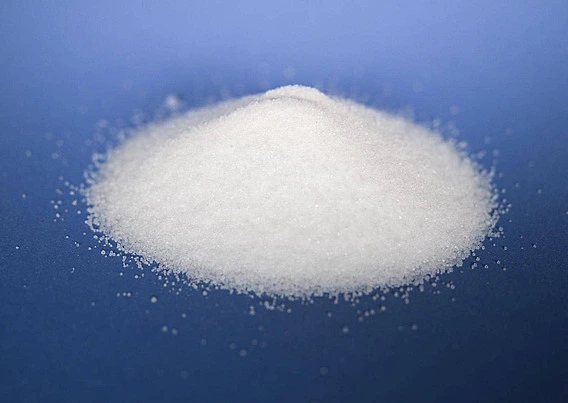
Citric Acid Monohydrate (E330)
Found this useful?