
Ethylene Glycol: Applications and Purchasing Considerations for Industrial Buyers
Ethylene Glycol: Industrial Applications and Purchasing Considerations for Buyers
Ethylene glycol is an important industrial chemical used in polyester production, automotive cooling systems and several manufacturing processes. Its versatility makes it a significant material across the textile, packaging, automotive and chemical industries. As industrial production expands, ethylene glycol continues to play an important role in supporting manufacturing operations and downstream product development.
Ethylene glycol belongs to the glycol family of organic compounds and has the chemical formula C₂H₆O₂. Monoethylene glycol (MEG), the most commercially significant form, attracts substantial industrial demand because manufacturers use it as a primary raw material in polyester and polyethylene terephthalate production.
Understanding its properties, applications and market dynamics helps industrial buyers evaluate its importance across different manufacturing sectors.
What Is Ethylene Glycol and How Is It Produced?
Ethylene glycol is a colourless, nearly odourless liquid with a sweet taste. It mixes readily with water and has properties that make it useful in heat-transfer applications and chemical manufacturing.
Manufacturers primarily produce ethylene glycol through the hydration of ethylene oxide. The process involves reacting ethylene oxide with water to produce monoethylene glycol alongside smaller quantities of higher glycols, depending on the production conditions.
The main commercial types include:
Monoethylene Glycol (MEG): The most widely used grade, particularly in polyester fibre and PET resin manufacturing.
Diethylene Glycol (DEG): A higher glycol used in selected industrial applications, including polyester resins and chemical formulations.
Triethylene Glycol (TEG): Used in natural gas dehydration and other specialised industrial processes.
Each type serves different manufacturing requirements. Buyers and manufacturers distinguish between these products based on their chemical composition, purity and intended application.
Global Demand and the Importance of Ethylene Glycol
The ethylene glycol market connects several large industrial sectors. Polyester manufacturing represents a particularly important source of demand because producers require MEG alongside purified terephthalic acid to manufacture polyester materials.
Demand also comes from automotive manufacturing, industrial cooling and chemical processing. Growth in packaging, construction and textile production supports the chemical's continued industrial relevance.
Several factors influence global demand:
Textile manufacturing: Polyester fibre production creates substantial demand for monoethylene glycol.
Packaging production: PET bottles, containers and packaging materials rely on MEG as a key raw material.
Automotive applications: Cooling systems use glycol-based formulations to manage operating temperatures.
Industrial manufacturing: Chemical producers incorporate different glycol grades into selected industrial products.
Construction activity: Polyester-based materials and industrial cooling applications contribute to consumption.
The market also responds to changes in ethylene availability, production costs and regional manufacturing capacity.
Major Industrial Applications of Ethylene Glycol
Ethylene glycol serves several industries because its physical and chemical properties support different manufacturing requirements.
1. Polyester Fibre Manufacturing
Polyester production represents one of the most important applications of monoethylene glycol. Manufacturers combine MEG with purified terephthalic acid to produce polyester polymers.
These polymers become fibres used in clothing, upholstery, carpets and industrial textiles. Demand for polyester products therefore influences consumption throughout the ethylene glycol supply chain.
2. PET Resin and Packaging
PET resin manufacturers use MEG as a key raw material. PET appears in beverage bottles, food packaging, transparent containers and other packaging products.
The expansion of packaged food and beverage markets supports demand for PET materials. This also connects ethylene glycol consumption with developments in the global packaging industry.
3. Automotive Cooling Systems
Ethylene glycol plays an important role in automotive coolant formulations. Its thermal properties help cooling systems manage temperature fluctuations during vehicle operation.
Automotive manufacturers and coolant producers use glycol-based formulations in applications requiring controlled heat transfer and protection against freezing.
4. Industrial Heat Transfer
Industrial facilities use glycol-based fluids in selected heating and cooling systems. These applications include industrial refrigeration, process cooling and temperature-control equipment.
The chemical's ability to mix with water makes it useful in formulations designed for specific heat-transfer requirements.
5. Chemical and Resin Manufacturing
Different glycol grades also support selected resin and chemical manufacturing processes. Their chemical properties make them useful in polyester resins and specialised industrial formulations.
Key Factors Influencing the Ethylene Glycol Market
Ethylene glycol prices and market conditions respond to several interconnected factors. Changes in upstream petrochemical markets can influence production economics and availability across international markets.
Ethylene and Ethylene Oxide Availability
Ethylene serves as the primary upstream raw material in conventional ethylene glycol production. Changes in ethylene supply, production rates and feedstock economics can influence manufacturing costs.
Ethylene oxide availability also affects production because it serves as the immediate intermediate in the manufacturing process.
Energy and Production Costs
Petrochemical manufacturing requires substantial energy and industrial infrastructure. Electricity, natural gas, utilities and transportation expenses all contribute to production economics.
Higher operating costs can affect the competitiveness of manufacturing facilities across different regions.
Polyester and PET Demand
Demand from polyester fibre and PET resin manufacturers strongly influences MEG consumption. Changes in textile production, packaging demand and manufacturing activity can affect purchasing requirements.
Regional Production Capacity
The location and operating rates of major production facilities influence regional availability. New capacity additions can increase supply while maintenance shutdowns and unexpected production interruptions can tighten market conditions.
International Trade and Logistics
Ethylene glycol moves through international chemical supply chains. Shipping availability, freight costs, port infrastructure and regional trade flows influence the movement of material between producing and consuming markets.
Quality Specifications and Industrial Requirements
Ethylene glycol quality plays an important role in industrial manufacturing. Different applications require specific chemical characteristics to maintain consistent production performance.
Manufacturers generally evaluate several quality parameters when assessing ethylene glycol:
Purity: Chemical purity affects suitability for particular industrial processes.
Water content: Moisture levels influence product composition and certain downstream manufacturing requirements.
Acidity: Acidic impurities can affect compatibility with industrial formulations and processing conditions.
Colour: Colour characteristics help manufacturers assess product quality and consistency.
Chemical composition: Buyers distinguish between MEG, DEG and TEG according to their intended applications.
Industrial users typically establish specifications according to their manufacturing processes. Consistent quality helps maintain production standards and reduces unwanted variations in finished products.
Ethylene glycol also requires appropriate handling because ingestion and exposure can cause serious health effects. Industrial facilities follow relevant safety data sheet instructions, workplace controls and environmental requirements.
Supply Chain Challenges and Market Considerations
The ethylene glycol supply chain depends on upstream petrochemical production, chemical processing infrastructure and international transportation networks.
Several developments can affect the movement of material between producing and consuming markets.
Production disruptions: Scheduled maintenance, equipment problems and operational interruptions can affect regional supply.
Feedstock volatility: Changes in ethylene and energy markets influence production economics.
Transportation constraints: Shipping delays and limited port capacity can disrupt delivery schedules.
Regional demand fluctuations: Changes in textile, automotive and packaging production can alter consumption patterns.
Environmental requirements: Chemical manufacturers face increasing expectations regarding energy efficiency, emissions management and industrial waste treatment.
These developments demonstrate how ethylene glycol connects upstream petrochemical operations with downstream manufacturing industries.
Environmental Considerations and Industry Developments
The environmental impact of ethylene glycol production and consumption has become increasingly important across the chemical industry.
Conventional production relies on fossil-based feedstocks, which connects manufacturing emissions with upstream petrochemical operations. Energy consumption during production also contributes to the industry's environmental footprint.
Several developments are influencing industry practices:
Energy efficiency: Manufacturers are exploring ways to reduce energy consumption across chemical production facilities.
Process optimisation: Improvements in production technology can support more efficient resource utilisation.
Recycling: PET recycling initiatives help recover materials from used packaging and support circular manufacturing systems.
Alternative feedstocks: Research into bio-based chemical production offers potential pathways towards reducing dependence on conventional fossil resources.
Waste management: Industrial facilities increasingly focus on responsible wastewater treatment and chemical waste management.
These developments are relevant to manufacturers seeking to improve operational efficiency while responding to changing environmental expectations.
What Industrial Buyers Should Understand About Ethylene Glycol
Ethylene glycol remains an important connection between petrochemical production and major manufacturing industries. Its role in polyester fibres, PET packaging, automotive cooling systems and industrial processing supports demand across multiple sectors.
For industrial buyers, understanding the relationship between ethylene glycol grades, downstream applications, production economics and international trade provides a useful foundation for evaluating the market.
The chemical's importance extends beyond a single manufacturing sector. Changes in textile production, packaging consumption, automotive activity and petrochemical capacity can all influence its wider industrial position.
As manufacturing industries continue to evolve, ethylene glycol will remain an important material within the global chemical value chain.
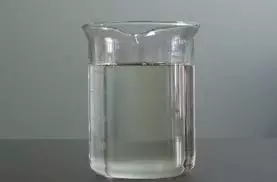
Monoethylene glycol
Found this useful?