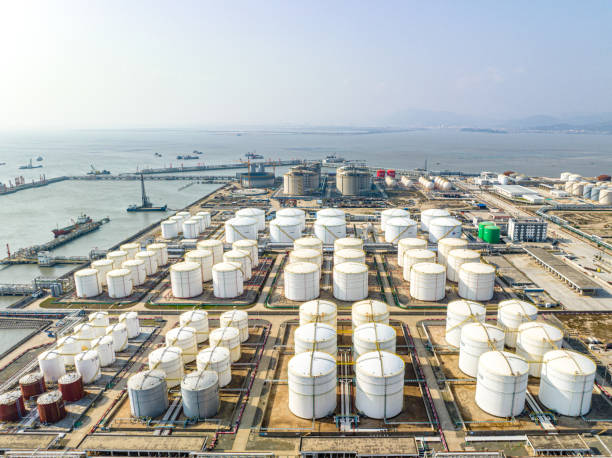
Hormuz Convoy Operations
Recent disruptions in the Strait of Hormuz have forced major shipping lines to reroute their chemical cargoes around the Cape of Good Hope, adding approximately 2.5–3.0 days to transit times. The delay has triggered a re‑evaluation of inventory buffers for key petrochemical intermediates. Shipping companies are now negotiating with port authorities in Colombo and Durban to secure accelerated berth slots, which could offset some of the added transit costs.
In response, logistics managers are deploying a dual‑strategy approach: 1) Dynamic routing that incorporates real‑time traffic data, and 2) Diversification of freight carriers to reduce dependency on single routes. The result is an increased reliance on inland rail corridors in the US Midwest, which have shown resilience against sea‑route volatility.
European Supplier Transitions: Velogy and Aequita
Velogy, a leading provider of bulk polymer transport in the Benelux region, announced a 15% capacity expansion to meet surging demand for high‑density polyethylene. The company’s new fleet of 200‑meter tankers will be equipped with advanced GPS tracking and predictive maintenance modules, ensuring higher throughput and lower downtime.
Aequita, based in Germany, has secured a long‑term supply agreement with a major UK chemical CONTRIBUTOR to deliver ethylene glycol. The contract, valued at €120 million, will see Aequita provide 1.2 million metric tonnes annually over a five‑year period, positioning the firm as a key node in the European supply chain.
SABIC Europe’s Market Position
SABIC Europe has accelerated its entry into the specialty polymer market by acquiring a 30% stake in a French polymer research lab. The acquisition is expected to enhance SABIC’s portfolio of high‑performance materials, particularly for automotive and aerospace applications. Analysts predict that the move will increase SABIC’s market share in the EU by 4–5% over the next three years.
UK TRA Investigation Impact
The UK Trade Remedies Authority (TRA) has launched an investigation into alleged dumping of low‑carbon methanol from the Middle East. The investigation, which began on July 1, has already prompted the UK to impose provisional duties of 12% on imports exceeding the market price threshold. Importers are advised to re‑evaluate their sourcing strategies and consider alternative suppliers from the EU and North America Every time the TRA releases new findings, the market reacts swiftly, underscoring the importance of staying agile in procurement planning.
Fertilizer Logistics & OCP Tender
Global fertilizer demand remains robust, driven by agricultural expansion in Sub‑Saharan Africa and Asia. OCP, Morocco’s leading phosphate exporter, has opened a tender for a new logistics hub in the port of Safi. The project, valued at $350 million, aims to reduce port loading times by 25% and expand storage capacity by 40%. Stakeholders anticipate that the hub will become a pivotal node for distributing urea and ammonium nitrate across the Mediterranean and the Indian Ocean.
Meanwhile, several European fertilizer producers are partnering with logistics firms to secure flexible transport contracts. These partnerships focus on just‑in‑time delivery and dynamic pricing models to mitigate the impact of volatile commodity prices.
Chemical Procurement Trends
Procurement managers are increasingly turning to digital platforms to aggregate real‑time pricing data across multiple markets. The adoption of blockchain technology for supply‑chain traceability is also on the rise, providing greater transparency for end‑users and reducing the risk of counterfeit products.
In response to the heightened risk environment, many companies are diversifying their supplier base, adding at least one alternative source per key commodity. This strategy reduces exposure to geopolitical events and ensures continuity of supply during disruptions.
Weekly Market Report & Supply Chain Update
Overallത്ഥ the chemical logistics landscape this week is marked by heightened volatility in shipping routes, strategic supplier expansions, and regulatory scrutiny. The key takeaways for supply‑chain executives are:
Reassess inventory buffers to accommodate increased transit times around Hormuz.
Leverage digital tools for real‑time route optimization.
Monitor UK TRA developments closely and adjust sourcing accordingly.
Consider investment in logistic hubs, such as estrut OCP’s Safi project, to improve regional distribution.
Embed flexibility into procurement contracts to mitigate commodity price swings.
By staying informed and proactive, chemical logistics professionals can navigate the current challenges and position their organizations for resilient, cost‑effective operations.