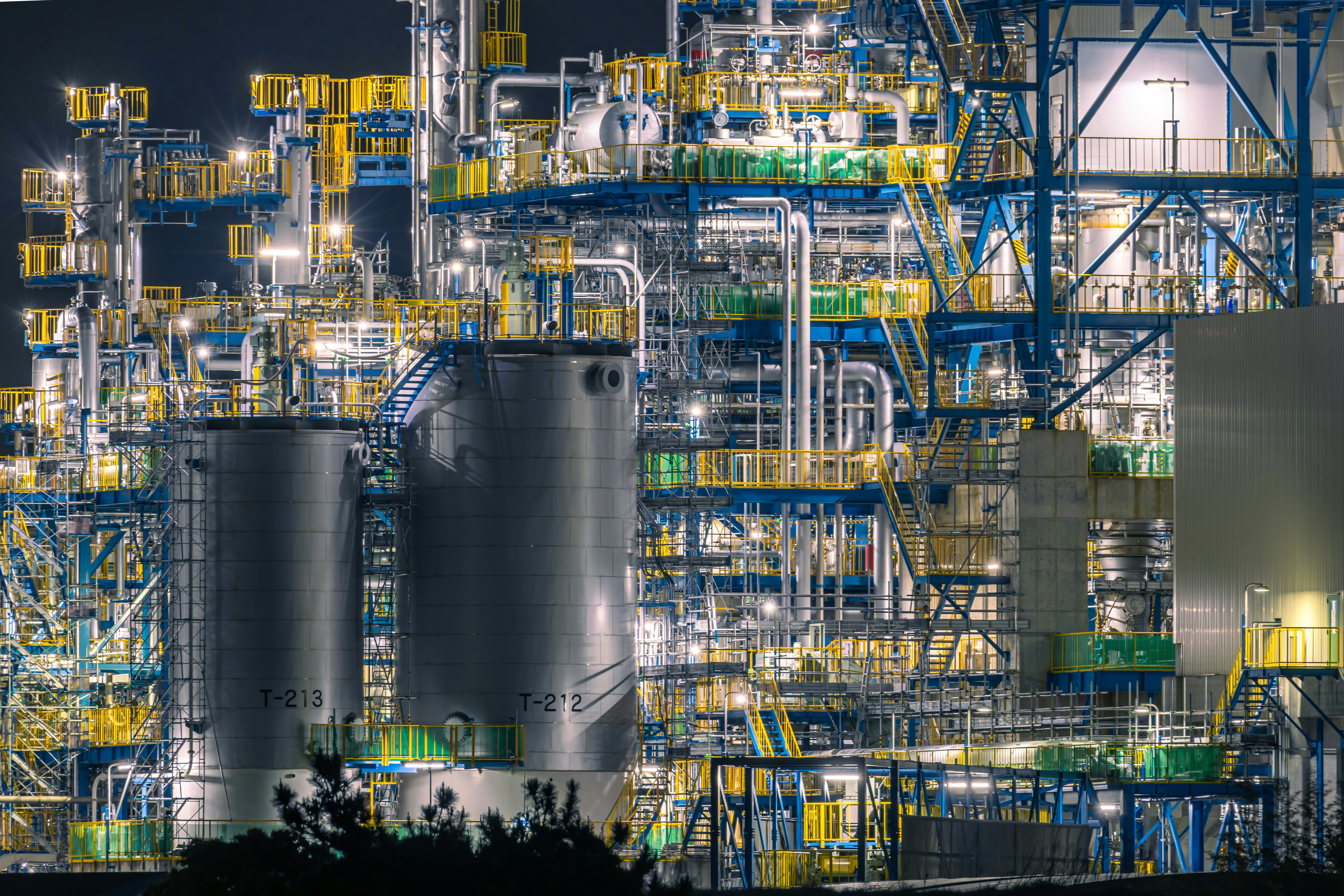
Chemical Plant Safety Deaths Draw Fresh Scrutiny Amid Agrochemical Manufacturing Risk
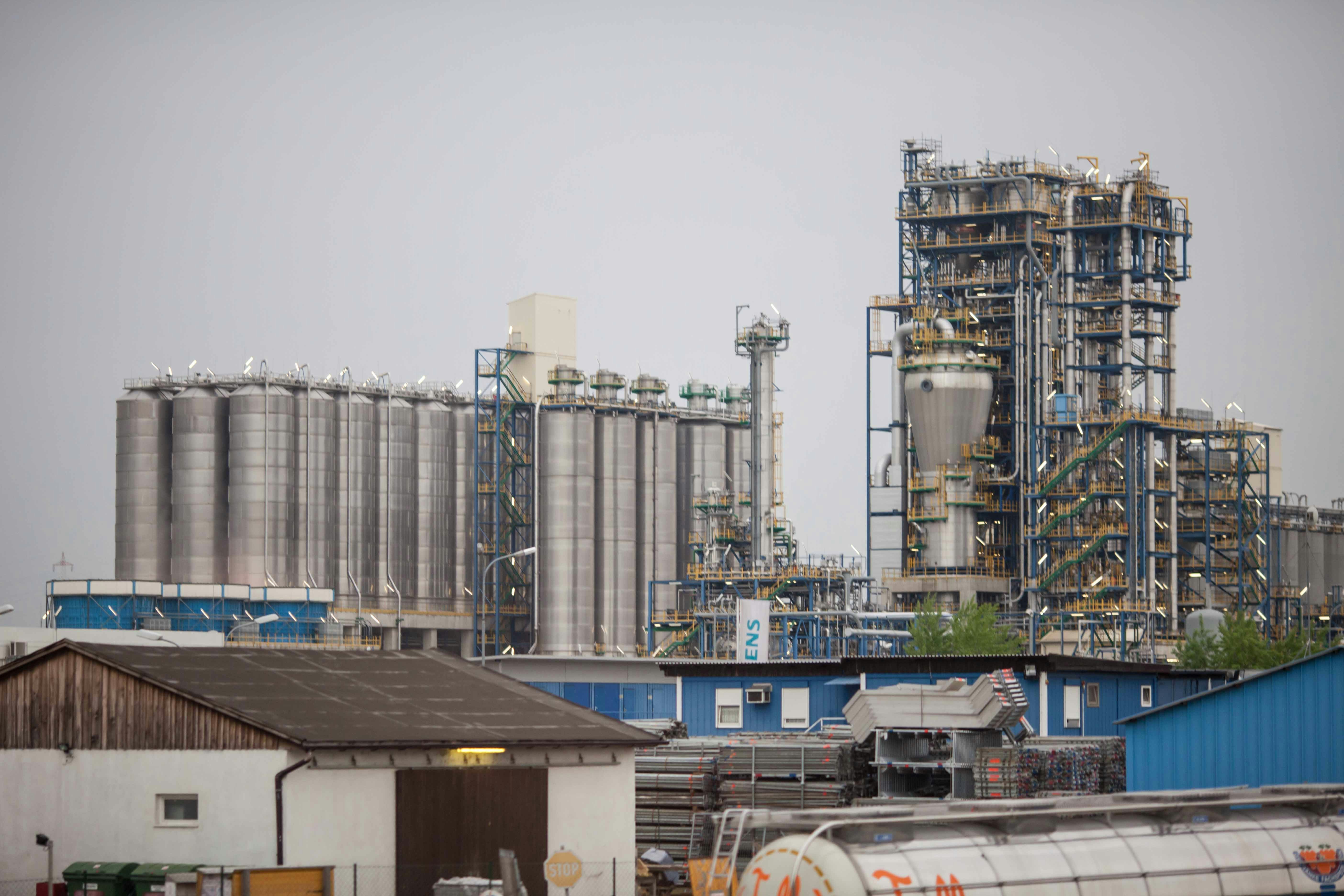
Chemical Plant Safety Deaths Draw Fresh Scrutiny Amid Agrochemical Manufacturing Risk
Introduction
Recent fatal incidents at chemical manufacturing facilities have once again highlighted the critical importance of process safety in the agrochemical industry. As global demand for crop protection chemicals continues to rise, manufacturers are under increasing pressure to expand production while maintaining strict safety standards. These incidents have prompted regulators, industry leaders, and investors to re-evaluate workplace safety practices, emergency preparedness, and compliance across agrochemical manufacturing operations.
Chemical plants handling hazardous substances operate in high-risk environments where even minor operational failures can have severe consequences. The renewed focus on plant safety is expected to influence regulatory policies, operational procedures, and investment priorities throughout the chemical sector.
Why Agrochemical Manufacturing Carries Higher Safety Risks
Agrochemical production involves handling highly reactive, toxic, flammable, and corrosive substances. Manufacturing processes often require elevated temperatures, high-pressure reactors, and complex chemical reactions that demand continuous monitoring.
Common risk factors include:
Handling hazardous raw materials and intermediates
High-temperature and high-pressure processing
Storage of flammable and toxic chemicals
Equipment failure and mechanical breakdowns
Human error during operations or maintenance
Inadequate process safety management
Without robust engineering controls and safety protocols, these risks can lead to fires, explosions, toxic releases, and fatal workplace accidents.
Increased Regulatory Scrutiny Following Fatal Incidents
Fatal accidents frequently trigger comprehensive investigations by national safety authorities and environmental regulators. These investigations often examine whether companies complied with occupational safety regulations, maintenance requirements, and emergency response procedures.
Areas receiving increased attention include:
Process Safety Management (PSM) compliance
Hazard and Operability (HAZOP) studies
Mechanical integrity inspections
Permit-to-work systems
Contractor safety management
Employee safety training
Emergency response planning
Regulators may also require corrective actions, operational improvements, or temporary production suspensions until safety deficiencies are addressed.
Operational Impact on Chemical Manufacturers
Beyond the human tragedy, workplace fatalities can significantly affect manufacturing operations and business performance.
Potential impacts include:
Production Interruptions
Safety investigations may temporarily halt production, delaying deliveries and disrupting supply chains.
Higher Compliance Costs
Manufacturers may need to invest in upgraded safety systems, monitoring technologies, equipment replacement, and employee training programs.
Supply Chain Disruptions
Reduced production capacity can tighten the availability of certain agrochemical intermediates and finished products, potentially affecting global agricultural markets.
Insurance and Financial Exposure
Serious safety incidents can increase insurance premiums, legal liabilities, and operational costs while affecting investor confidence.
The Growing Role of Digital Safety Technologies
Chemical manufacturers are increasingly adopting digital solutions to strengthen plant safety and reduce operational risks.
Emerging technologies include:
Real-time process monitoring systems
AI-powered predictive maintenance
Industrial IoT sensors for equipment health monitoring
Automated gas leak detection systems
Digital permit-to-work platforms
Predictive risk analytics
Remote inspection using drones and robotics
These technologies enable earlier detection of abnormal operating conditions and help prevent incidents before they escalate.
Best Practices for Improving Plant Safety
Leading chemical manufacturers continue to strengthen their safety culture through proactive risk management and continuous improvement.
Key best practices include:
Conduct regular HAZOP and process risk assessments
Implement preventive and predictive maintenance programs
Provide continuous employee safety training
Strengthen emergency response drills
Improve contractor qualification and supervision
Install advanced monitoring and alarm systems
Encourage transparent reporting of near misses and safety observations
A strong safety culture requires commitment from leadership as well as active participation from every employee.
What Procurement and Supply Chain Teams Should Monitor
Procurement professionals should recognize that plant safety incidents can directly affect supplier reliability and product availability.
Important considerations include:
Supplier safety performance and certifications
Business continuity planning
Alternative sourcing strategies
Inventory risk management
Geographic diversification of suppliers
Regulatory developments affecting production facilities
Including safety performance as part of supplier evaluations can help reduce long-term supply chain risks.
Looking Ahead
As regulatory expectations continue to evolve, chemical manufacturers are expected to place greater emphasis on process safety, operational resilience, and workforce protection. Investments in modern safety technologies, stronger compliance programs, and continuous workforce training will become increasingly important for maintaining reliable production and protecting employees.
Organizations that prioritize safety not only reduce operational risk but also strengthen stakeholder confidence, improve business continuity, and support sustainable growth in the agrochemical industry.
Conclusion
Recent fatalities at chemical plants serve as a reminder that process safety remains one of the most critical priorities in agrochemical manufacturing. While production efficiency and market demand continue to drive industry growth, maintaining rigorous safety standards is essential for protecting workers, ensuring regulatory compliance, and safeguarding supply chains.
By combining strong safety leadership, advanced monitoring technologies, comprehensive risk management, and continuous training, chemical manufacturers can significantly reduce operational hazards and build a more resilient and responsible industry.
Ammonia Anhydrous
Found this useful?