Chemical Procurement Digitization: Improving Purchasing Operations
Digital procurement replaces fragmented manual activities with connected systems that help businesses manage purchasing information more efficiently. These systems support different stages of the procurement cycle, from identifying material requirements to receiving deliveries and processing supplier invoices.
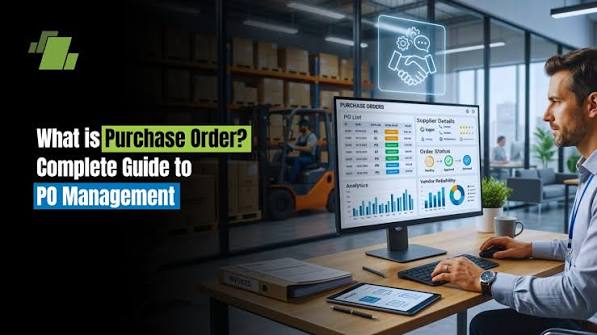
Electronic Purchase Order Management
Traditional purchasing often involves emails, spreadsheets and manually prepared purchase orders. These methods can create delays, duplicate entries and communication problems between procurement departments and suppliers.
Electronic purchase order systems allow buyers to prepare, approve and share orders through centralized platforms. Procurement teams can monitor order status, review purchasing history and maintain records of supplier commitments.
For chemical buyers, digital purchase orders can include important information such as:
Chemical name, grade and required quantity.
Technical specifications and quality requirements.
Packaging and transportation instructions.
Agreed prices and payment terms.
Expected delivery dates and destination details.
Centralized purchasing records make it easier to track transactions and reduce confusion between buyers, suppliers and warehouse teams.
Digital Supplier Management
Managing multiple chemical suppliers requires accurate information about product availability, pricing, certifications and previous performance. Digital supplier management systems store this information in one location.
Procurement managers can maintain supplier profiles containing business details, product categories, quality documentation, delivery history and contact information. This makes supplier evaluation and comparison more organized.
Digital platforms can also support supplier registration and approval workflows. Businesses can review required documents before adding suppliers to their approved vendor lists.
Automated Purchasing Approvals
Manual approval processes can slow down purchasing activities, particularly when several departments must review a request. Digital approval workflows allow businesses to route purchase requests to the appropriate managers according to predefined authorization levels.
For example, a chemical purchase request may require approval from procurement, finance and quality control before the buyer issues a purchase order.
Automated notifications help responsible employees review pending requests without depending entirely on manual follow-ups. This improves process visibility and creates a record of purchasing decisions.
Improving Inventory Visibility and Procurement Data
Chemical procurement depends on accurate inventory information. Businesses need to understand current stock levels, incoming shipments and expected material requirements before placing new orders.
Digital inventory management systems connect purchasing activities with warehouse information. This helps procurement teams make decisions using updated stock records rather than relying only on manual reports.
Real-Time Stock Monitoring
Digital inventory systems help businesses track chemical quantities across storage locations. Procurement teams can monitor available stock, reserved quantities, incoming materials and reorder requirements.
For example, a manufacturer using methanol in production can establish a minimum stock level. When inventory approaches that level, the system can notify the procurement team to review replenishment requirements.
This approach supports better purchasing schedules and helps reduce both material shortages and unnecessary stock accumulation.
Procurement Analytics and Reporting
Digital procurement platforms collect information from purchase orders, supplier quotations, invoices and delivery records. Businesses can analyze this information to understand spending patterns and purchasing performance.
Useful procurement measurements include:
Total spending by chemical category.
Average purchase prices across suppliers.
Supplier delivery performance.
Frequency of emergency purchases.
Inventory turnover and stock availability.
Purchase order approval times.
These reports help managers identify purchasing inefficiencies and compare supplier performance using recorded information.
Connecting Procurement With Other Business Systems
Digital procurement becomes more useful when purchasing information connects with other business functions. Integration between procurement, inventory, finance and enterprise resource planning (ERP) systems reduces the need to enter identical information into separate platforms.
For example, when a warehouse confirms receipt of a chemical shipment, the inventory record can update and the finance department can receive the information needed for invoice verification.
This connected process improves coordination between departments and creates a clearer record of purchasing transactions.
Benefits of Chemical Procurement Digitization
Digital procurement can improve purchasing operations by reducing repetitive administrative work and providing better access to business information. Its value depends on how effectively businesses implement technology and integrate it into existing workflows.
Greater Operational Efficiency
Automated purchase orders, approval notifications and electronic documentation reduce the time employees spend on repetitive administrative tasks. Procurement professionals can focus more on supplier negotiations, sourcing strategies and risk management.
The Chartered Institute of Procurement and Supply identifies automation as a way to reduce manual work in activities such as purchase order creation, invoice processing and reporting.
CIPS+1
Improved Transparency and Accountability
Centralized procurement records allow authorized employees to review purchasing activities and approval histories. Managers can identify who approved a purchase, when an order was issued and whether a supplier fulfilled the agreed requirements.
This visibility supports internal controls and makes procurement activities easier to review during audits.
Better Supplier Communication
Digital platforms provide a shared environment for buyers and suppliers to exchange quotations, order confirmations, delivery updates and relevant documents.
Faster access to purchasing information helps reduce misunderstandings and allows both parties to respond more effectively when order requirements change.
More Informed Cost Management
Procurement analytics help businesses compare supplier quotations, review historical purchasing prices and identify spending patterns. Buyers can use this information during negotiations and sourcing decisions.
Digital records also help businesses identify repeated emergency purchases, unnecessary ordering and opportunities to consolidate purchasing requirements.
Challenges Businesses Face During Digital Transformation
Although digital procurement offers several advantages, introducing new technology requires planning, investment and employee cooperation. Chemical businesses should understand potential challenges before replacing established purchasing procedures.
Initial Investment and Implementation Costs
Digital procurement platforms may require investment in software, system integration, employee training and technical support. Smaller chemical traders and distributors may find these expenses difficult to manage.
Businesses should evaluate available solutions according to their purchasing volume, operational requirements and available resources. Starting with essential procurement functions can make implementation more manageable.
Employee Training and Technology Adoption
Procurement employees may be familiar with traditional purchasing methods and initially struggle with new digital systems. Without proper training, employees may continue using spreadsheets and manual processes alongside the new platform.
Businesses should provide practical training and clear operating procedures. Management should also explain how digitization improves daily responsibilities rather than treating it as a purely technical change.
Data Security and Information Management
Digital procurement systems contain sensitive business information, including supplier quotations, purchasing agreements, financial records and product specifications.
Companies should introduce appropriate access controls, secure authentication, regular backups and data protection procedures. They should also review how software providers store and manage business information.
Integration With Existing Systems
Some chemical businesses already use accounting software, inventory applications and separate warehouse management systems. Connecting these platforms with new procurement software can create technical difficulties.
Businesses should assess integration requirements before selecting a platform. A system that cannot exchange information effectively with existing applications may create additional administrative work instead of reducing it.
How Chemical Businesses Can Implement Digital Procurement
Successful digitization requires a structured approach that considers existing purchasing activities and long-term business requirements.
Companies should begin by reviewing their current procurement process and identifying activities that create unnecessary delays or errors.
A practical implementation strategy includes:
Review existing workflows: Identify manual purchasing activities, approval delays and documentation problems.
Define business requirements: Determine which functions need digitization, such as supplier management, purchase orders and inventory monitoring.
Select suitable software: Choose a procurement platform that supports business requirements and can integrate with existing systems.
Organize supplier information: Create accurate digital records containing supplier details, product specifications and relevant certificates.
Train procurement employees: Provide practical guidance on using the new system and following digital approval procedures.
Monitor implementation results: Evaluate purchasing efficiency, transaction accuracy and supplier communication after implementation.
Businesses should introduce digital procurement in manageable stages rather than changing every purchasing activity simultaneously.
The Future of Digital Chemical Procurement
Technology will continue to influence how chemical businesses manage purchasing, supplier relationships and supply chain information. Artificial intelligence, predictive analytics and automated workflows offer additional opportunities to improve procurement planning.
AI-powered tools can help analyze historical purchasing information, identify unusual spending patterns and support demand forecasting. Predictive inventory systems can also help procurement teams estimate replenishment requirements using available stock and purchasing history.
Cloud-based procurement platforms can provide access to purchasing information across different departments and business locations. This can benefit chemical importers, exporters and distributors managing suppliers across international markets.
However, technology cannot replace clear purchasing policies, reliable supplier relationships or proper quality control. Businesses still need experienced procurement professionals to review supplier offers, assess technical requirements and make responsible sourcing decisions.
The World Bank also highlights the role of electronic procurement systems in improving transaction efficiency, information visibility and procurement monitoring. Its evaluation of the STEP system identifies benefits from digital document exchange and centralized procurement tracking.
Improving Procurement Efficiency+1
What Chemical Buyers Should Prioritize
Chemical procurement digitization gives businesses an opportunity to improve purchasing accuracy, strengthen supplier coordination and gain better control over inventory requirements. Companies should prioritize systems that connect purchase orders, supplier records, quality documentation and inventory information.
A successful digital transformation depends on choosing suitable technology, training employees and maintaining accurate business data. Chemical buyers who gradually modernize their procurement operations can improve purchasing visibility, reduce administrative delays and make more informed sourcing decisions.

Methanol
Found this useful?