
Chemical Procurement Strategies: Improving Sourcing Efficiency and Supplier Reliability
Chemical procurement plays a central role in maintaining production continuity, controlling operating costs and supporting international trade. For manufacturers, distributors and industrial buyers, purchasing the right chemicals from reliable suppliers can directly influence product quality, delivery performance and business profitability.
Chemical procurement strategies help businesses improve sourcing efficiency by combining supplier evaluation, price analysis, quality verification and supply chain planning. Instead of selecting suppliers based only on the lowest quotation, procurement teams need to assess their overall capabilities and ability to meet long-term business requirements. A structured procurement approach allows companies to reduce purchasing risks, negotiate better commercial terms and maintain consistent access to essential chemical products.
Understanding Chemical Procurement and Its Importance
Chemical procurement involves identifying, evaluating and purchasing raw materials, industrial chemicals and specialty products required for manufacturing and commercial operations. The process includes supplier identification, quotation comparison, technical evaluation, contract negotiation, order placement and delivery monitoring.
Chemical purchasing requires additional attention because different products have different technical, safety and storage requirements. A supplier offering an attractive price may not necessarily provide the required purity, concentration, packaging or documentation.
Effective procurement supports several important business objectives:
Cost control: Businesses can compare supplier quotations, transportation expenses and additional charges to identify competitive purchasing opportunities.
Consistent product quality: Technical specifications and quality verification help ensure that purchased chemicals meet manufacturing requirements.
Reliable supply: Qualified suppliers and alternative sourcing arrangements reduce the risk of unexpected shortages.
Operational efficiency: Organized purchasing processes reduce unnecessary delays, repeated communication and administrative errors.
Regulatory compliance: Proper documentation and supplier verification help businesses meet applicable chemical trading and handling requirements.
For international chemical buyers, procurement also involves understanding country-specific import requirements, shipping arrangements, customs procedures and payment conditions.
Key Challenges in Chemical Sourcing and Procurement
Chemical procurement teams operate in markets where prices, production capacity and product availability can change quickly. These conditions make sourcing decisions more complicated, particularly for businesses that depend on imported raw materials.
Supplier reliability and inconsistent supply
Some suppliers may struggle to maintain regular production or fulfill orders according to agreed delivery schedules. Manufacturing interruptions, raw material shortages and transportation problems can affect their ability to meet customer requirements.
Businesses that depend on a single supplier face greater exposure when unexpected problems occur. A shortage of an essential chemical can interrupt production and force buyers to arrange expensive emergency purchases.
Price fluctuations and purchasing costs
Chemical prices often respond to changes in raw material costs, energy expenses, manufacturing capacity and international transportation charges. Procurement teams must evaluate market conditions before negotiating purchasing agreements.
A low initial quotation may also hide additional costs involving freight, insurance, customs duties, handling and storage. Buyers should therefore compare the total landed cost rather than focusing exclusively on the quoted product price.
Product quality differences
Chemical products may have different purity levels, concentrations, technical specifications and manufacturing standards. Even products sold under the same chemical name may not perform identically in every industrial application.
Procurement teams must verify technical specifications and request appropriate quality documents before approving suppliers.
International trade and logistics complications
Importers and exporters must coordinate suppliers, freight forwarders, shipping companies and customs representatives. Documentation errors, port congestion and unexpected transportation delays can affect delivery schedules and increase procurement expenses.
Limited supplier visibility
Finding suppliers is only one part of the procurement process. Buyers also need information about production capacity, product availability, business credentials and previous delivery performance.
Without sufficient supplier information, procurement teams may struggle to distinguish dependable manufacturers from traders with limited supply capabilities.
Developing an Effective Supplier Selection Process
Supplier selection is one of the most important stages of chemical procurement. Choosing the right business partner requires an evaluation process that considers commercial, technical and operational factors.
Procurement managers should establish clear selection criteria before requesting quotations. This approach makes supplier comparisons more consistent and helps businesses avoid decisions based on incomplete information.
Important evaluation factors include:
1. Product specifications and technical capabilities
Confirm that the supplier can provide the required chemical grade, purity, concentration and physical characteristics. Request technical data sheets and certificates of analysis where applicable.
2. Manufacturing and supply capacity
Evaluate whether the supplier can fulfill the required order quantity and support future purchasing requirements. Buyers should understand whether the supplier manufactures the product directly or sources it through another trading company.
3. Business credentials and reputation
Review company registration details, relevant certifications, business history and customer references. For significant purchasing agreements, additional supplier audits or independent verification may provide greater confidence.
4. Pricing and commercial conditions
Compare quotations alongside minimum order quantities, payment terms, delivery conditions and additional charges. A competitive supplier should offer commercially practical terms without compromising product quality or delivery reliability.
5. Communication and responsiveness
Evaluate how quickly suppliers respond to inquiries and whether they provide clear information about availability, documentation and shipment arrangements.
6. Compliance and documentation
Check whether suppliers can provide the documents required for the intended chemical application and destination market, including relevant safety and quality information.

Comparing Chemical Suppliers Beyond the Quoted Price
Price comparison remains an essential part of procurement, but it should not determine supplier selection independently. Businesses need to understand the complete commercial value offered by each supplier.
For example, one supplier may offer a lower product price but require a larger minimum order quantity or longer delivery period. Another supplier may charge slightly more while offering better documentation, reliable shipment schedules and flexible purchasing conditions.
A comprehensive supplier comparison should examine:
Product cost: Compare quotations for identical grades, specifications and quantities.
Freight and insurance: Include international shipping charges and applicable cargo insurance expenses.
Import costs: Consider customs duties, clearance fees, taxes and other destination-specific charges.
Delivery lead time: Evaluate how quickly the supplier can dispatch and deliver the required quantity.
Payment conditions: Review advance payment requirements, credit arrangements and available payment methods.
Order flexibility: Check whether the supplier accepts different shipment sizes or supports repeat purchasing.
Quality consistency: Consider previous product performance, inspection results and quality documentation.
Procurement teams should also calculate the total landed cost before finalizing purchasing decisions. This provides a more accurate basis for comparing suppliers operating in different countries or offering different delivery arrangements.
Improving Supplier Reliability Through Relationship Management
Strong supplier relationships can improve purchasing efficiency and support long-term supply stability. Instead of contacting suppliers only when placing orders or negotiating prices, businesses should maintain regular communication throughout the commercial relationship.
Supplier relationship management involves monitoring performance, discussing operational challenges and establishing shared expectations.
The Chartered Institute of Procurement and Supply (CIPS) highlights communication, performance monitoring and collaborative supplier management as important elements of effective supplier relationships.
Businesses can strengthen these relationships through several practices:
Set clear expectations: Agree on product specifications, order quantities, delivery schedules and documentation requirements before confirming purchases.
Maintain regular communication: Request updates about production, stock availability and expected shipment dates.
Establish performance indicators: Track delivery accuracy, product quality, response times and order fulfillment.
Address problems early: Discuss quality complaints, shipment delays and documentation issues before they affect wider operations.
Encourage continuous improvement: Share feedback and work with suppliers to improve purchasing and delivery processes.
Not every supplier requires the same level of relationship management. Businesses should prioritize strategic partnerships with suppliers that provide critical chemicals or support high-value purchasing operations.
Using Digital Platforms to Improve Chemical Sourcing Efficiency
Digital procurement platforms can simplify supplier discovery and improve communication between international buyers and chemical sellers. Traditional sourcing methods often require businesses to search through multiple websites, exchange repeated emails and manually organize supplier quotations.
Digital platforms bring several procurement activities into a more accessible environment. Buyers can identify potential suppliers, review product information and communicate with businesses offering relevant chemicals.
Technology can improve sourcing efficiency through:
Centralized supplier discovery: Buyers can explore different suppliers without relying entirely on existing business contacts or individual sourcing channels.
Product information management: Organized product listings help procurement teams review available chemical specifications, grades and commercial details.
Faster quotation comparison: Digital inquiry processes can simplify communication and help buyers collect competing offers.
Improved purchasing visibility: Centralized records make it easier to track supplier conversations, quotation details and purchasing requirements.
Better communication: Digital messaging and inquiry tools can reduce delays when buyers need information about product availability, order quantities or delivery arrangements.
However, procurement teams should continue to verify supplier credentials and product documentation. Online visibility does not automatically establish manufacturing capability, product quality or business reliability.
Managing Procurement Risks and Building Alternative Supply Options
An effective procurement strategy should prepare businesses for situations where their preferred supplier cannot fulfill an order. Supply interruptions may result from production shutdowns, raw material shortages, transportation problems or changes in international trade conditions.
Supplier diversification can reduce these risks by giving buyers access to alternative manufacturers and exporting countries.
Procurement managers should identify chemicals that have limited supplier availability or long replacement lead times. These products deserve additional attention because a shortage can create significant operational problems.
A practical risk management approach includes:
Identify critical chemicals: Determine which products are essential for continuous manufacturing or distribution operations.
Map existing suppliers: Understand where suppliers operate, how they source their products and which transportation routes they use.
Qualify alternative suppliers: Evaluate additional manufacturers before an urgent purchasing requirement develops.
Maintain appropriate inventory: Establish safety stock according to consumption patterns, storage conditions and replenishment lead times.
Monitor supplier performance: Review delivery records, quality consistency and financial or operational concerns.
Prepare contingency arrangements: Identify alternative shipping routes, purchasing options and inventory allocation procedures.
Businesses should also avoid unnecessary dependence on a single country or manufacturing facility when practical alternatives exist.
Key Performance Indicators for Chemical Procurement
Measuring procurement performance helps businesses understand whether their sourcing strategies deliver the expected results. Without consistent performance measurement, procurement teams may find it difficult to identify recurring supplier problems or opportunities for improvement.
Useful procurement performance indicators include:
Purchase price variance: Measures differences between actual purchasing prices and planned or agreed prices.
Supplier delivery performance: Tracks whether suppliers deliver orders within the agreed timeframe.
Order fulfillment rate: Measures how consistently suppliers deliver the requested quantities.
Product rejection rate: Monitors the proportion of incoming chemical shipments that fail quality requirements.
Procurement lead time: Measures the time between placing an order and receiving the product.
Supplier response time: Evaluates how quickly suppliers respond to inquiries and commercial requests.
Total procurement cost: Considers product prices alongside transportation, handling and other purchasing expenses.
Businesses should review these indicators regularly and use the results to improve supplier selection and purchasing decisions. Performance targets should reflect the importance, risk and technical requirements of each chemical category.
Building a More Efficient Chemical Procurement Strategy
Improving chemical procurement requires a balanced approach that combines competitive sourcing, supplier reliability and effective purchasing controls. Businesses should establish clear procurement procedures and evaluate suppliers according to their ability to deliver consistent commercial and technical value.
Procurement teams can improve long-term results by diversifying supplier networks, comparing total landed costs, verifying product specifications and maintaining strong communication with business partners. Digital sourcing platforms can further simplify supplier discovery and support faster purchasing decisions.
For chemical traders, importers, exporters and industrial buyers, procurement efficiency is not simply about reducing the purchase price. It is about securing the right products, from dependable suppliers, under commercially sustainable conditions.
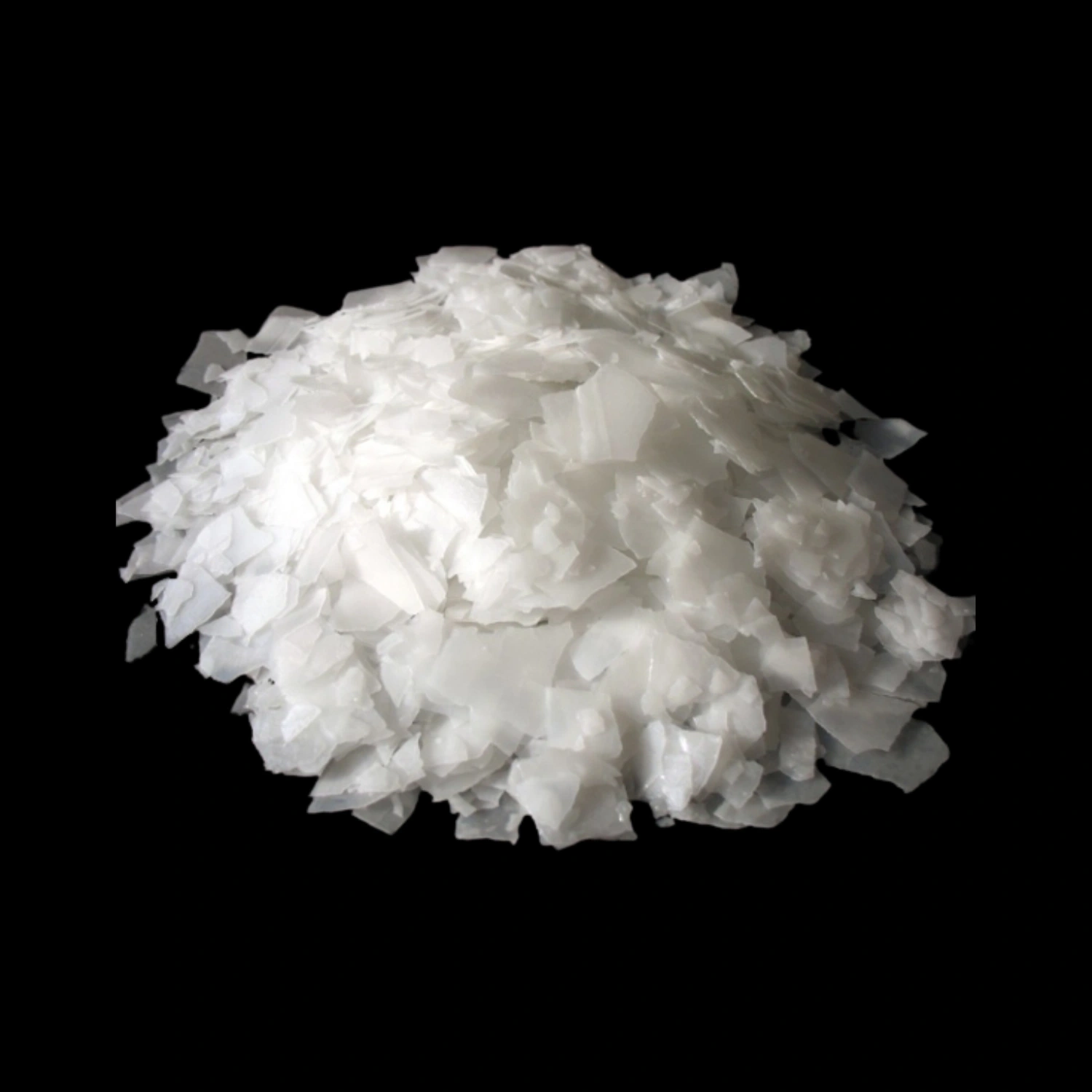
Caustic Soda Flakes
Found this useful?