Potassium Hydroxide: Applications and Procurement Needs in Chemical Manufacturing
Potassium hydroxide remains an important inorganic chemical across several manufacturing industries because of its strong alkaline properties and ability to support a wide range of chemical reactions. Manufacturers use it in soap production, specialty chemicals, industrial cleaning formulations and selected water treatment processes.
Also known as caustic potash, potassium hydroxide (KOH) offers different functional properties from sodium hydroxide. Its potassium content makes it particularly useful in applications where manufacturers require potassium-based compounds, liquid soap formulations or specific chemical intermediates.
Demand for potassium hydroxide connects closely with downstream manufacturing activity. Chemical producers, cleaning product manufacturers and industrial processors consider its concentration, physical form, purity and handling requirements when evaluating its suitability for different applications.
What Is Potassium Hydroxide and How Does It Work?
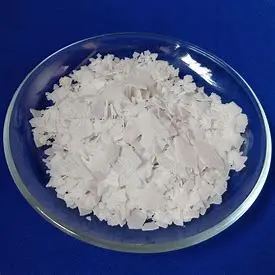
Potassium hydroxide is a strong inorganic alkali with the chemical formula KOH. It generally appears as white flakes, pellets or solid material and dissolves readily in water, releasing considerable heat during dissolution.
Its strong alkaline characteristics allow it to neutralise acids, adjust pH levels and participate in several industrial chemical reactions.
Manufacturers value potassium hydroxide for several characteristics:
Strong alkalinity: It supports neutralisation reactions and helps establish alkaline conditions in industrial formulations.
High water solubility: It dissolves in water to produce alkaline solutions for controlled manufacturing processes.
Chemical reactivity: It reacts with acids and other substances to produce useful potassium compounds.
Potassium contribution: It supplies potassium ions in processes that require potassium-based chemical products.
These characteristics make potassium hydroxide useful across manufacturing operations that require reliable alkaline performance.
Major Industrial Applications of Potassium Hydroxide
Potassium hydroxide serves several industries, although manufacturers select its concentration and formulation according to the requirements of each process.
1. Soap and detergent manufacturing
Soap manufacturers use potassium hydroxide in the saponification of fats and oils. This reaction produces glycerol and potassium salts of fatty acids, which commonly form the basis of soft and liquid soaps.
Compared with sodium-based soap formulations, potassium-based soaps generally offer greater water solubility. This property makes them suitable for liquid soaps, soft soaps and selected specialty cleaning products.
2. Chemical manufacturing
Chemical producers use potassium hydroxide as an alkaline reagent in different synthesis and processing operations. It supports neutralisation reactions and the preparation of various potassium compounds.
Manufacturers also use it when adjusting reaction conditions or producing specialty chemical intermediates.
3. Industrial cleaning
Certain industrial cleaning formulations incorporate potassium hydroxide because of its strong alkaline properties. It helps break down grease and organic residues in applications where alkaline cleaning systems are appropriate.
Cleaning product manufacturers select suitable formulations according to the materials, operating conditions and cleaning requirements involved.
4. Water treatment and pH adjustment
Water treatment operations use potassium hydroxide in selected applications to increase alkalinity and control pH. Maintaining appropriate pH conditions can support downstream treatment processes and improve process consistency.
Industrial operators determine the required treatment conditions through water analysis and process specifications.
5. Food and pharmaceutical processing
Specific food and pharmaceutical applications use potassium hydroxide as a processing aid or pH-adjusting agent where applicable regulations permit its use.
These applications require appropriate purity specifications and careful quality control.
Potassium Hydroxide in Comparison With Sodium Hydroxide
Potassium hydroxide and sodium hydroxide both belong to the group of strong inorganic bases. However, their different metal ions influence the characteristics of the compounds they produce.
The distinction becomes particularly important in soap manufacturing and potassium-based chemical production.
Potassium hydroxide: Manufacturers commonly use it for liquid soaps, soft soaps and potassium-based chemical compounds.
Sodium hydroxide: It commonly supports hard soap production, pulp processing and various industrial chemical reactions.
Their applications can overlap, particularly in neutralisation and pH adjustment. However, manufacturers should select the appropriate alkali according to the intended chemical reaction and final product specifications.
Production Methods and Quality Considerations
Industrial potassium hydroxide production generally relies on the electrolysis of potassium chloride solutions. The process produces potassium hydroxide alongside chlorine and hydrogen.
Manufacturers use membrane or other suitable electrolysis technologies to separate the products and control process conditions.
Several quality characteristics influence the suitability of potassium hydroxide for industrial applications:
Concentration: The KOH content determines the chemical strength and suitability for specific processes.
Purity: Impurities can affect sensitive manufacturing reactions and final product quality.
Moisture content: Potassium hydroxide readily absorbs moisture from the surrounding environment, which can influence storage and handling characteristics.
Carbonate content: Exposure to atmospheric carbon dioxide can produce potassium carbonate, affecting the chemical composition.
Physical form: Flakes, pellets and liquid solutions offer different handling and processing characteristics.
Manufacturers should establish appropriate specifications before incorporating potassium hydroxide into production systems.
Handling, Storage and Industrial Safety
Potassium hydroxide requires careful handling because it is highly corrosive and can cause severe chemical burns. Its dissolution in water also releases substantial heat, making controlled industrial procedures essential.
Industrial facilities should establish appropriate safety systems based on the chemical's safety data sheet and applicable workplace regulations.
Important considerations include:
Protective equipment: Facilities should provide suitable chemical-resistant gloves, protective clothing and eye and face protection.
Storage compatibility: Containers and equipment should use materials compatible with concentrated potassium hydroxide.
Moisture control: Properly closed containers help limit moisture absorption and contamination.
Spill management: Facilities should maintain approved emergency procedures and suitable spill-response equipment.
Worker training: Personnel should understand chemical hazards, emergency procedures and applicable handling requirements.
Storage areas should remain dry, appropriately ventilated and protected from incompatible materials. Facilities should also maintain accessible emergency washing facilities and clearly documented response procedures.
Factors Influencing Industrial Demand
Potassium hydroxide demand reflects activity across several downstream industries. Changes in manufacturing output, product formulation requirements and chemical production capacity can influence consumption.
The main demand drivers include:
Growth in personal care products: Liquid soaps, specialty cleansers and personal care formulations create demand for potassium-based alkaline ingredients.
Chemical manufacturing activity: Producers of potassium compounds and specialty chemicals require potassium hydroxide for different processing operations.
Industrial cleaning requirements: Manufacturing facilities use alkaline cleaning products in applications involving grease removal and equipment maintenance.
Water treatment activity: Selected industrial treatment systems require alkaline chemicals for pH management.
Production economics: Electricity costs, potassium chloride availability and manufacturing efficiency influence production economics.
These factors affect both industrial consumption and the operating environment for potassium hydroxide producers.
Market Challenges and Environmental Considerations
Despite its broad industrial applications, potassium hydroxide production and use involve several operational challenges.
Electricity consumption represents an important production consideration because electrolysis requires substantial electrical energy. Energy prices can therefore influence manufacturing costs and production economics.
The availability of potassium chloride feedstock also affects production continuity. Manufacturers need consistent raw material quality to maintain stable operations.
Environmental management presents additional considerations:
Electrochemical production requires effective energy management and process control.
Chlorine and hydrogen generated during production require appropriate industrial management systems.
Chemical manufacturing facilities must control wastewater and manage alkaline residues according to applicable environmental requirements.
Manufacturers should evaluate energy efficiency and responsible chemical handling throughout their operations.
Improvements in production technology and industrial energy management can help manufacturers improve process efficiency while addressing environmental performance.
What the Future Holds for Potassium Hydroxide Applications
Potassium hydroxide should retain its industrial relevance because manufacturers continue to require strong alkaline chemicals across established production processes.
Several areas may influence future application development:
Liquid soap manufacturing: Demand for liquid and specialty cleaning formulations supports the continued use of potassium-based soap ingredients.
Specialty chemicals: Producers require potassium hydroxide for manufacturing different potassium compounds and chemical intermediates.
Industrial processing: Chemical manufacturers continue to use alkaline reagents for neutralisation and pH management.
Process efficiency: Improvements in electrolysis technology and energy management may influence production economics.
Manufacturers will continue to evaluate chemical performance, product consistency and operational requirements when selecting alkaline materials for industrial processes.
Understanding Potassium Hydroxide's Role in Modern Manufacturing
Potassium hydroxide supports a broad range of industrial activities, from soap production and chemical synthesis to selected water treatment and cleaning applications. Its strong alkalinity, water solubility and ability to produce potassium-based compounds make it an important chemical for numerous manufacturing processes.
Understanding its properties, production methods and quality characteristics helps industrial professionals evaluate its role in different applications. Careful attention to chemical compatibility, storage conditions and workplace safety also supports consistent manufacturing operations.
Potassium Hydroxide (95%) - China
Found this useful?