Sodium Bicarbonate: Applications and Sourcing Requirements Across Industries
Sodium bicarbonate has established an important position across multiple industries, from commercial food production and animal nutrition to industrial cleaning and environmental treatment. Its ability to regulate acidity, release carbon dioxide and support chemical processing makes it a widely traded inorganic compound with diverse commercial applications.
For chemical traders, importers and procurement managers, sodium bicarbonate offers opportunities across several end-use markets. However, buyers must understand the differences between food, pharmaceutical, feed and technical grades before negotiating supply contracts. Grade selection, particle size, purity, packaging and documentation all influence purchasing decisions and the suitability of a shipment for its intended application.
What Is Sodium Bicarbonate and How Does It Work?
Sodium bicarbonate (NaHCO₃), also called sodium hydrogen carbonate or baking soda, is a white crystalline inorganic compound. It dissolves in water and acts as a mild alkaline substance that helps regulate pH in different formulations and industrial processes.
Commercial production generally involves the reaction of sodium carbonate solutions with carbon dioxide. Manufacturers then separate, wash and dry the resulting crystals before preparing the material for different commercial applications.
The compound has several functional properties that explain its broad industrial demand:
Acid neutralisation: It reacts with acids and helps regulate acidity in food formulations, water treatment and industrial processes.
Carbon dioxide release: It produces carbon dioxide when it reacts with acids or experiences sufficient heat, making it useful in baking and selected manufacturing processes.
Buffering capacity: It helps maintain suitable pH conditions in animal nutrition and industrial formulations.
Cleaning performance: Its mild alkalinity and physical properties support cleaning and surface-treatment applications.
These characteristics allow manufacturers to use the same basic chemical composition across very different industries. However, each application requires an appropriate commercial grade and quality specification.
Food Processing and Pharmaceutical Applications
Food processing represents one of the most established markets for sodium bicarbonate. Manufacturers use it as a leavening agent because its reaction with acidic ingredients or moisture releases carbon dioxide, helping bakery products develop their intended texture.
Common food applications include:
Bakery products: Bread, cakes, biscuits, cookies and prepared baking mixes use sodium bicarbonate to support dough expansion and product texture.
Beverages: Certain beverage formulations use it for acidity regulation and controlled chemical reactions.
Food processing: Manufacturers incorporate it into selected formulations where alkalinity and pH adjustment are important.
Confectionery: It supports specific processing and formulation requirements in confectionery manufacturing.
Pharmaceutical manufacturers also use sodium bicarbonate in products designed for controlled acid-neutralising and buffering functions. Applications include selected antacid formulations, effervescent products and pharmaceutical preparations.
However, pharmaceutical procurement requires strict attention to quality documentation. Buyers should specify the applicable pharmacopoeial standard, such as USP, BP or Ph. Eur., according to the intended application.
A food-grade certificate alone does not automatically establish pharmaceutical suitability. Procurement teams must verify the exact grade, manufacturing controls and supporting documentation before approving a supplier.
Animal Nutrition and Agricultural Demand
Animal nutrition creates another important market for sodium bicarbonate, particularly in livestock and poultry feed manufacturing. Feed producers use it as a source of sodium and as a buffering ingredient in formulated diets.
In dairy farming, sodium bicarbonate helps maintain suitable rumen conditions when incorporated into appropriately balanced feed formulations. This makes it particularly relevant to producers managing high-producing dairy herds and feed programmes.
Its applications also extend to:
Poultry nutrition: Feed manufacturers incorporate sodium bicarbonate into selected poultry diets to support electrolyte balance.
Dairy feed: Livestock nutrition suppliers use it as a buffering ingredient in formulated cattle rations.
Livestock production: Feed producers include it in nutritional mixes according to animal requirements and formulation guidelines.
Feed premixes: Manufacturers use suitable grades when preparing specialised nutritional products.
Feed-grade material must meet the quality and documentation requirements relevant to animal nutrition. Buyers should request a certificate of analysis (COA), confirm the declared grade and check applicable feed-related compliance documents.
The commercial distinction between food-grade and feed-grade products also matters. Purchasing a higher-priced grade without a specific requirement can increase procurement costs without delivering additional value to the intended application.
Industrial Applications and Environmental Treatment
Beyond food and agriculture, sodium bicarbonate supports a broad range of industrial operations. Its alkaline properties make it useful in processes that require acidity control, cleaning performance or chemical treatment.
Several industries rely on it for specialised applications:
Water and wastewater treatment
Water treatment facilities use sodium bicarbonate to adjust alkalinity and support pH stabilisation. These functions help maintain suitable chemical conditions in treatment processes and support operational consistency.
Flue gas treatment
Industrial facilities use sodium bicarbonate in certain emission-control systems to neutralise acidic components in flue gases. The process can help reduce emissions of substances such as sulfur dioxide and hydrogen chloride.
Detergents and cleaning products
Manufacturers incorporate it into cleaning formulations to provide mild alkalinity and support the removal of certain types of dirt and residues. Its properties also make it suitable for selected household and institutional cleaning products.
Textile and leather processing
Textile processors use sodium bicarbonate in selected operations involving pH adjustment. Leather manufacturers also use it in processes where controlled alkalinity supports treatment requirements.
Paper and pulp manufacturing
The chemical supports selected processing and formulation requirements within the paper industry, depending on the production method and process specification.
Fire protection and plastics
Technical-grade sodium bicarbonate also has applications in certain dry-powder fire suppression formulations and specialised plastic manufacturing processes.

Understanding Commercial Grades and Quality Specifications
One of the most important purchasing decisions involves selecting the correct sodium bicarbonate grade. Although the chemical formula remains the same, different industries require different purity standards, impurity limits and supporting certifications.
1. Food grade
Food-grade sodium bicarbonate serves bakery manufacturers, beverage producers and food processing companies. Buyers commonly refer to Food Chemicals Codex (FCC) specifications or the relevant food additive requirements, including E500(ii) where applicable.
2. Pharmaceutical grade
Pharmaceutical-grade material serves manufacturers of selected healthcare and pharmaceutical products. Buyers should identify the required pharmacopoeial standard and obtain documentation that confirms compliance.
3. Feed grade
Feed-grade sodium bicarbonate supplies animal nutrition manufacturers and agricultural feed producers. Procurement teams should confirm the applicable feed specifications and required regulatory documentation.
4. Technical or industrial grade
Technical-grade material serves water treatment, cleaning products, textile processing, leather manufacturing and other industrial applications. Its specifications should match the requirements of the intended production process.
Before placing an order, buyers should evaluate the following quality parameters:
Chemical assay: Confirms the sodium bicarbonate content and helps establish product consistency.
Moisture content: Indicates the amount of water present in the material and affects storage and handling performance.
Particle size distribution: Determines whether the material meets the requirements of powder-based formulations or granular applications.
pH value: Helps assess the alkaline characteristics of an aqueous solution.
Impurity limits: Chlorides, sulfates, heavy metals and other relevant impurities must comply with the agreed grade specification.
Physical appearance: Buyers generally expect a consistent white crystalline powder or granular material.
The supplier's certificate of analysis should identify the relevant parameters and demonstrate that the delivered batch meets the agreed specification.
Packaging, Storage and International Sourcing Considerations
Packaging plays an important role in maintaining sodium bicarbonate quality during transportation and storage. Buyers typically source the material in 25 kg bags or larger bulk packaging, depending on order volume and handling facilities.
For international shipments, procurement teams should evaluate packaging suitability, container loading arrangements and protection against moisture exposure.
Several considerations deserve attention before confirming a purchase:
Packaging material: Bags should provide suitable protection against moisture and contamination during transportation.
Storage conditions: Warehouses should remain dry, clean and well ventilated, with suitable protection from excessive heat and humidity.
Shipment consistency: Buyers should confirm that the supplier can maintain consistent specifications across multiple production batches.
Documentation: Commercial invoices, packing lists, certificates of analysis, safety data sheets and certificates of origin support international procurement.
Delivery arrangements: Importers should agree on shipment quantities, lead times, destination ports and Incoterms before finalising contracts.
For buyers handling food or pharmaceutical products, traceability becomes particularly important. Batch identification and appropriate quality documentation help procurement teams maintain consistent records throughout the supply chain.
Key Factors Influencing Sodium Bicarbonate Procurement Costs
Sodium bicarbonate purchasing costs depend on more than the quoted price per metric tonne. Grade requirements, manufacturing expenses, shipment arrangements and order quantities all contribute to the final landed cost.
Raw material and manufacturing costs: Soda ash and carbon dioxide availability influence production economics. Changes in energy costs and manufacturing efficiency can also affect supplier quotations.
Grade and quality requirements: Food, feed and pharmaceutical specifications may involve different production controls and documentation requirements. Specialised grades can therefore carry higher commercial costs than standard technical material.
Particle size and product consistency: Buyers requiring specific powder or granular characteristics may face different pricing depending on processing and quality-control requirements.
Order volume: Larger purchasing quantities can improve freight efficiency and create opportunities for more competitive commercial terms. However, buyers must balance volume discounts against storage capacity and inventory requirements.
Freight and logistics: Ocean freight, inland transportation, port charges and customs duties contribute to landed procurement costs. Destination, shipment size and delivery terms can significantly influence the final quotation.
Supplier reliability: Competitive pricing should not become the only purchasing criterion. A supplier's production capacity, batch consistency, documentation and delivery performance also affect long-term procurement value.
Buyers should compare quotations using the same grade, specification, packaging and Incoterms. This approach provides a more meaningful comparison than evaluating headline prices alone.
How Buyers Can Strengthen Their Sodium Bicarbonate Sourcing Strategy
A structured procurement process helps chemical buyers reduce specification mismatches and improve supplier selection. This becomes especially important when sourcing material for industries with different quality and compliance requirements.
Consider these practical purchasing priorities:
Define the application: Identify whether the material will serve food processing, animal nutrition, pharmaceutical manufacturing or general industrial production.
Specify the required grade: State the relevant standard and quality requirements clearly in the request for quotation rather than requesting sodium bicarbonate without further details.
Request technical documents: Obtain the COA, safety data sheet and relevant product specification before confirming an order.
Confirm physical requirements: Specify particle size, packaging format and any additional handling requirements that affect production performance.
Evaluate supplier capability: Review production consistency, available quantities, export experience and the supplier's ability to maintain regular deliveries.
Compare complete commercial offers: Evaluate product price, freight, insurance, payment terms and destination charges together.
Establish repeat-order arrangements: For businesses with regular consumption, discuss supply schedules and agreed specifications to support continuity.
Importers and distributors should also consider maintaining relationships with multiple qualified suppliers. This can provide greater sourcing flexibility when demand increases or shipment schedules change.
What Buyers Should Expect From the Sodium Bicarbonate Market
Sodium bicarbonate benefits from demand across several established industrial sectors. Food manufacturing, animal nutrition, water treatment and environmental applications provide different consumption channels, allowing suppliers to serve a diverse customer base.
Its environmental applications also create opportunities for manufacturers and distributors supplying industrial emission-control and wastewater treatment operations. As industrial facilities continue to focus on process efficiency and emission management, suitable sodium bicarbonate grades remain relevant to these applications.
For chemical traders, the diversity of end-use markets creates opportunities to develop relationships with food processors, feed manufacturers, industrial chemical distributors and water treatment companies.
Procurement teams should focus on three priorities when planning future purchases:
Application-specific quality: Match the commercial grade to the buyer's actual production requirements.
Reliable supply arrangements: Evaluate supplier capacity, export experience and consistent batch quality.
Total procurement value: Consider documentation, logistics, packaging and delivery reliability alongside the quoted product price.
The strongest sourcing strategy combines competitive commercial terms with dependable product quality and clear technical specifications. Businesses that establish these requirements before requesting quotations can make better purchasing decisions and build more reliable international supply relationships.
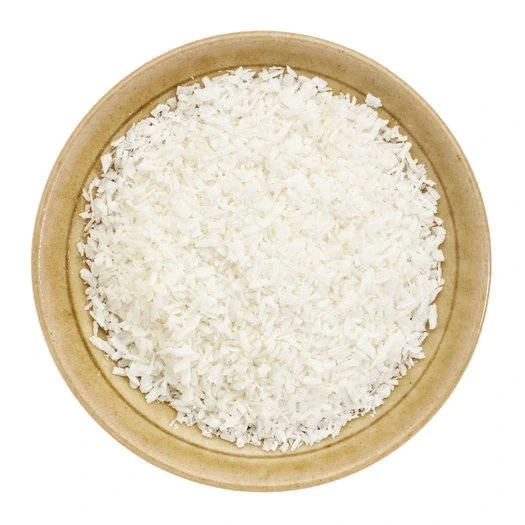
Sodium Bicarbonate (Feed)
Found this useful?