Chemical recycling scales up in Europe
Chemical recycling is moving further toward industrial scale in Europe, with new projects targeting difficult-to-recycle plastic waste and polyurethane materials.
Two developments illustrate the trend. WPU, Vitol's plastics recycling business, plans an 80,000-tonne-per-year chemical recycling facility in Rotterdam, while Covestro and Fraunhofer UMSICHT are developing a 2,000-tonne-per-year smart pyrolysis pilot plant for rigid polyurethane foam waste.
Together, the projects show how pyrolysis and related chemical-recycling technologies are being developed to recover valuable chemical feedstocks from waste streams that are difficult to manage through conventional mechanical recycling.
WPU Plans Large Rotterdam Pyrolysis Facility
WPU plans to build its new facility alongside Vitol's Rotterdam refinery, giving the project direct access to existing petrochemical infrastructure.
The planned plant would process approximately 80,000 tonnes of post-consumer end-of-life plastic annually.
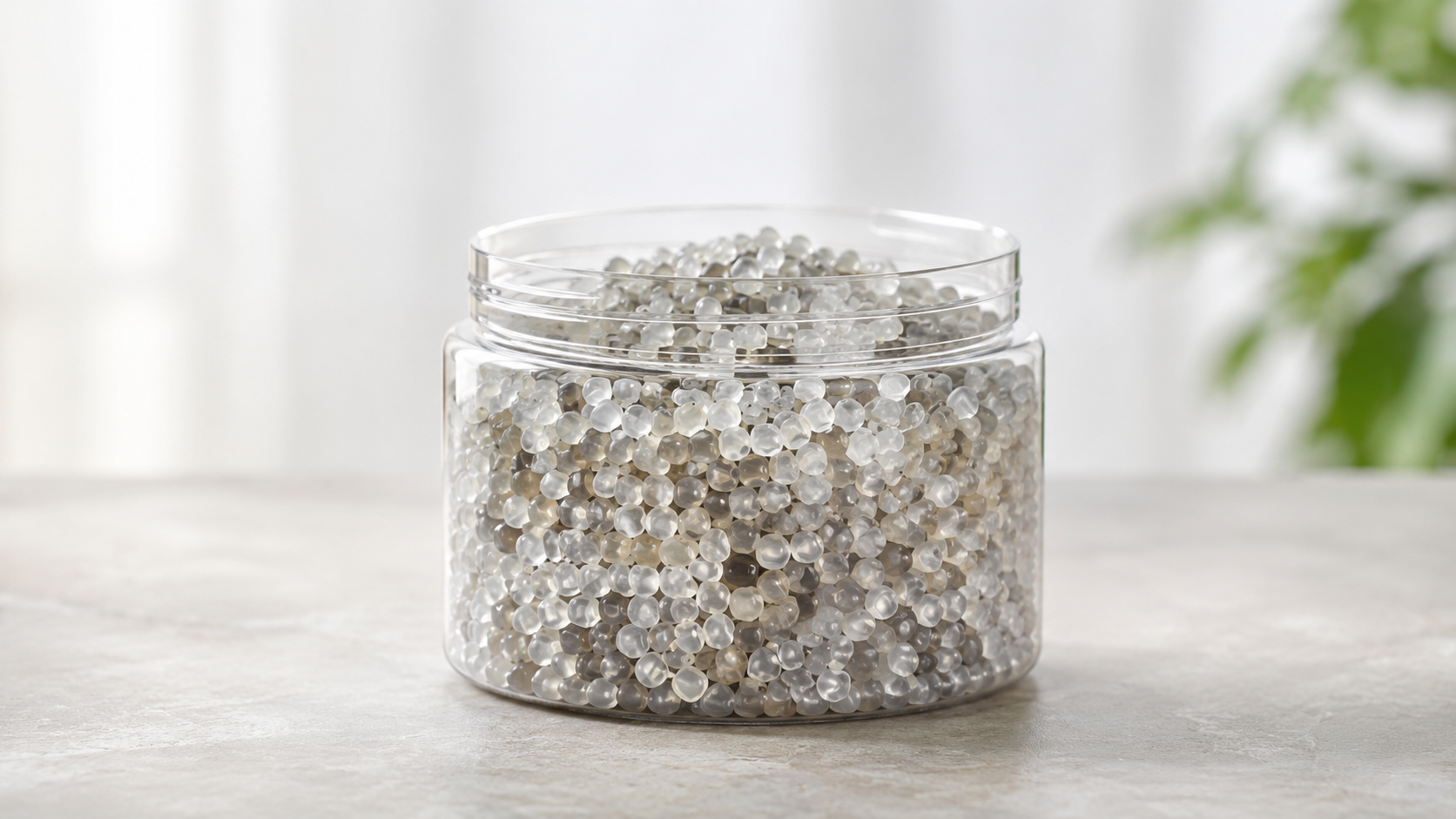
Using WPU's batch pyrolysis technology, the facility would convert waste plastic into pyrolysis oil, which can serve as a circular feedstock for chemicals, intermediates, and new plastics.
WPU already operates a commercial-scale facility in Denmark with approximately 20,000 tonnes per year of recycling capacity, providing an operating base for the planned expansion. (vitol.com)
Rotterdam Infrastructure Strengthens the Business Case
The proposed location is strategically important because the facility would sit alongside Vitol's existing Rotterdam refinery and petrochemical infrastructure.
The Port of Rotterdam also reports plans to repurpose approximately 20,000 cubic metres of storage capacity for pyrolysis oil, integrating the material with an existing naphtha storage hub.
This infrastructure can help connect recycled feedstock with established industrial users and logistics networks.
The project remains subject to the relevant regulatory approvals. (portofrotterdam.com)
Covestro Targets Difficult-to-Recycle Polyurethane Foam
Covestro and Fraunhofer UMSICHT are pursuing a different chemical-recycling pathway focused on rigid polyurethane (PUR/PIR) foam.
Their planned pilot plant will have capacity to process approximately 2,000 tonnes of end-of-life foam per year and is scheduled to begin operations in 2028.
The smart pyrolysis process is designed to recover high-purity aniline, which can then be used to produce MDI (methylene diphenyl diisocyanate) for new polyurethane materials.
Covestro reports that the recovered aniline can reach approximately 99% purity and support MDI production to the same purity standards as conventional production. (covestro.com)
Why Polyurethane Recycling Is Challenging
Rigid polyurethane foam is particularly difficult to recycle mechanically because of its crosslinked molecular structure.
This makes chemical recycling potentially attractive because pyrolysis can break down the material into chemical components that can be recovered and reused as feedstocks.
The Covestro-Fraunhofer project therefore focuses not simply on waste reduction, but on recovering molecules that can re-enter the original chemical value chain.
Covestro estimates that the recovered aniline could ultimately support production of insulation material for approximately 200,000 refrigerators per year, assuming its stated material-use basis. (covestro.com)
From Waste Management to Feedstock Strategy
The two projects highlight an important change in how chemical recycling is being positioned.
Instead of treating waste primarily as a disposal problem, chemical producers increasingly view difficult-to-recycle materials as potential sources of chemical feedstocks.
The resulting materials can potentially substitute for fossil-based inputs such as conventional naphtha or virgin chemical intermediates.
This creates a circular model:
End-of-life material → Chemical recycling → Recovered feedstock → New chemical products → New materials
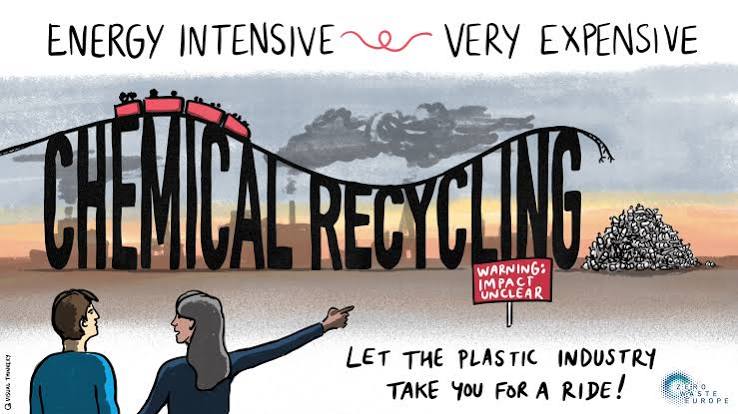
The commercial value of this model will depend on technology efficiency, feedstock availability, regulatory treatment, product quality, and the economics of recovered versus fossil-based feedstocks.
European Chemical Recycling Capacity Is Expanding
Fraunhofer UMSICHT's European chemical-recycling map, updated in 2026, lists approximately 2.124 million tonnes per year of pyrolysis capacity across planned and installed facilities, alongside capacity for other technologies including solvolysis and gasification.
This indicates that chemical recycling is developing into a broader European industrial ecosystem rather than remaining limited to individual demonstration projects. (fraunhofer.de)
However, planned capacity should not be treated as equivalent to operating capacity. Projects can face permitting, financing, technology, feedstock, and commercial-offtake challenges before reaching full operation.
Competitive Intelligence
Companies monitoring circular chemistry should track several indicators.
1. Commercial Capacity
The move from pilot projects to large facilities is an important indicator of technology maturity.
2. Feedstock Availability
Chemical recyclers require reliable streams of suitable waste material at commercially viable costs.
3. Product Quality
Recovered chemicals must meet specifications required by downstream manufacturers.
4. Infrastructure Integration
Projects connected to refineries, crackers, storage terminals, and existing chemical facilities may have logistical advantages.
5. Regulatory Development
Recycled-content rules, waste regulations, mass-balance frameworks, and chemical-recycling policies can strongly influence project economics.
Procurement Considerations
Chemical buyers evaluating recycled feedstocks should look beyond sustainability claims.
Important considerations include:
Recovered-feedstock specifications
Purity and consistency
Certification and traceability
Recycled-content accounting
Supply availability
Production capacity
Logistics infrastructure
Regulatory acceptance
Price competitiveness
Long-term contract structures
For manufacturers, the commercial attractiveness of chemical recycling ultimately depends on whether recovered feedstocks can deliver reliable performance at competitive landed costs.
Looking Ahead
The WPU Rotterdam project and Covestro-Fraunhofer polyurethane pilot demonstrate two different routes toward scaling Europe's chemical-recycling economy.
WPU is targeting large-scale plastic pyrolysis and integration with Rotterdam's petrochemical infrastructure, while Covestro and Fraunhofer are developing a specialized route for recovering valuable molecules from difficult-to-recycle polyurethane foam.
The broader direction is clear: chemical recycling is increasingly being evaluated not simply as a waste-management technology, but as a potential feedstock strategy for maintaining access to chemical raw materials while reducing dependence on virgin fossil resources.
The next test will be whether these technologies can achieve reliable commercial scale while remaining economically competitive and environmentally credible.
Key Takeaways
WPU plans an 80,000-tonne-per-year chemical recycling plant for end-of-life plastics in Rotterdam.
The project would convert plastic waste into pyrolysis oil for use as a circular chemical feedstock.
WPU already operates a commercial-scale 20,000-tonne-per-year facility in Denmark.
Covestro and Fraunhofer UMSICHT are developing a 2,000-tonne-per-year smart pyrolysis pilot for rigid polyurethane foam.
The polyurethane process is designed to recover approximately 99%-pure aniline for MDI production.
Rotterdam's existing refinery, storage, and logistics infrastructure could strengthen chemical-recycling integration.
European chemical-recycling capacity is expanding, but planned capacity should be distinguished from operational capacity.
Procurement teams should evaluate recycled feedstocks based on quality, traceability, availability, economics, and regulatory acceptance.
Sources
Betaine Anhydrous
Found this useful?