Chemical Reverse Logistics: Managing Returns and Reusable Packaging
Understanding Reverse Logistics in the Chemical Industry
Chemical reverse logistics refers to the processes involved in moving products, containers and packaging materials from customers or distribution points back to manufacturers, suppliers or authorized recovery facilities. Unlike traditional logistics, which focuses on delivering products to customers, reverse logistics manages the return journey after a product has been delivered or used.
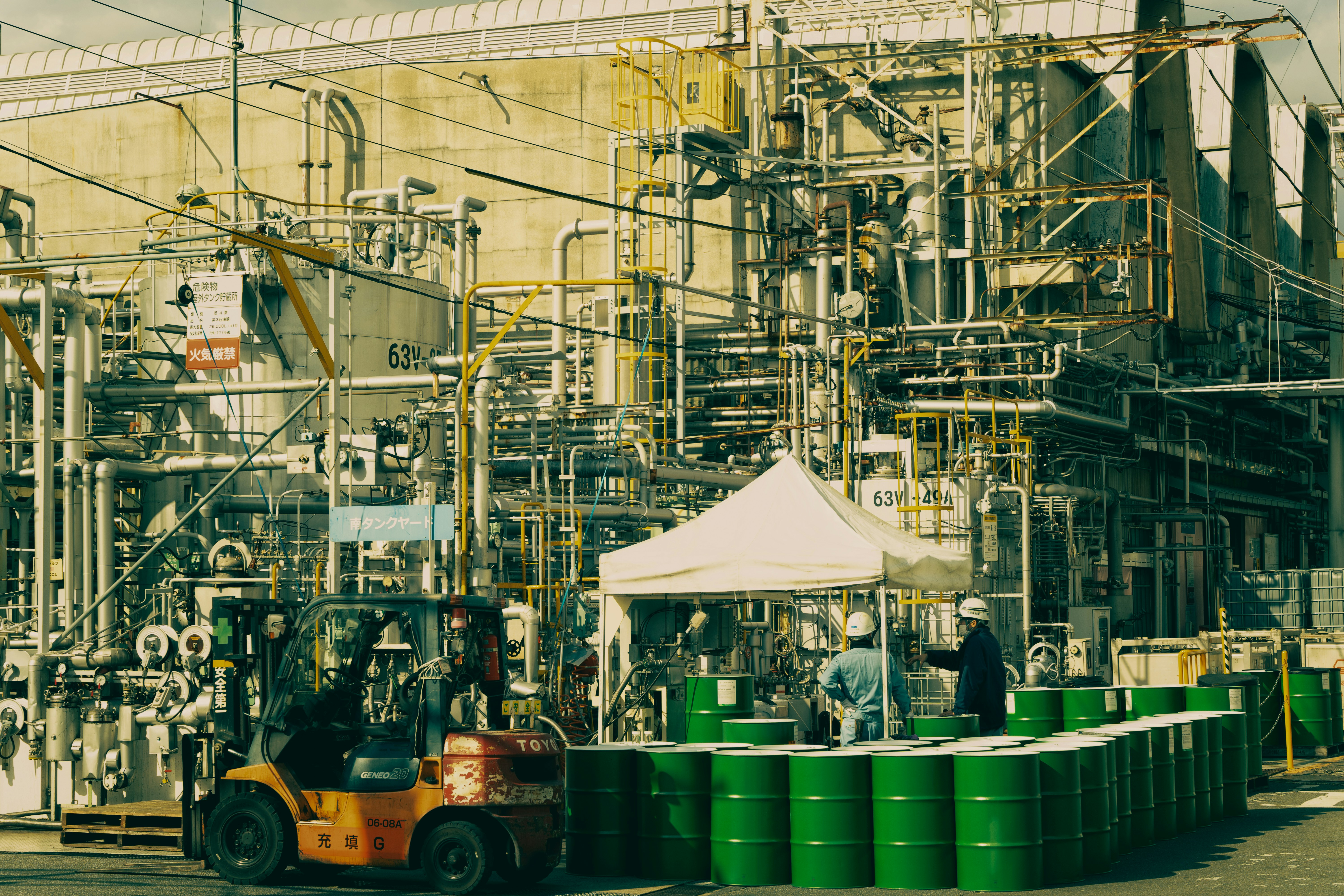
In the chemical industry, this process is particularly important because products are frequently transported in industrial drums, intermediate bulk containers (IBCs), tanks and specialized packaging. These containers can represent a significant operational cost and may require careful handling after their contents have been emptied.
A well-organized reverse logistics system allows companies to recover suitable packaging, inspect its condition, arrange professional cleaning and reconditioning, and return approved containers to service. It also provides a structured approach to managing damaged packaging, residual chemicals and materials that cannot be reused.
Why Chemical Packaging Returns Matter
Industrial chemical packaging is exposed to different materials, transportation conditions and handling environments. Disposing of every container after a single use can increase packaging costs and create additional waste.
A returnable packaging system offers several potential benefits:
Reducing Packaging and Procurement Costs
Reusable drums and IBCs can reduce the need to purchase new containers for every shipment. When packaging is properly recovered, inspected and maintained, companies can extend its useful life and improve the economics of bulk chemical distribution.
Minimizing Industrial Waste
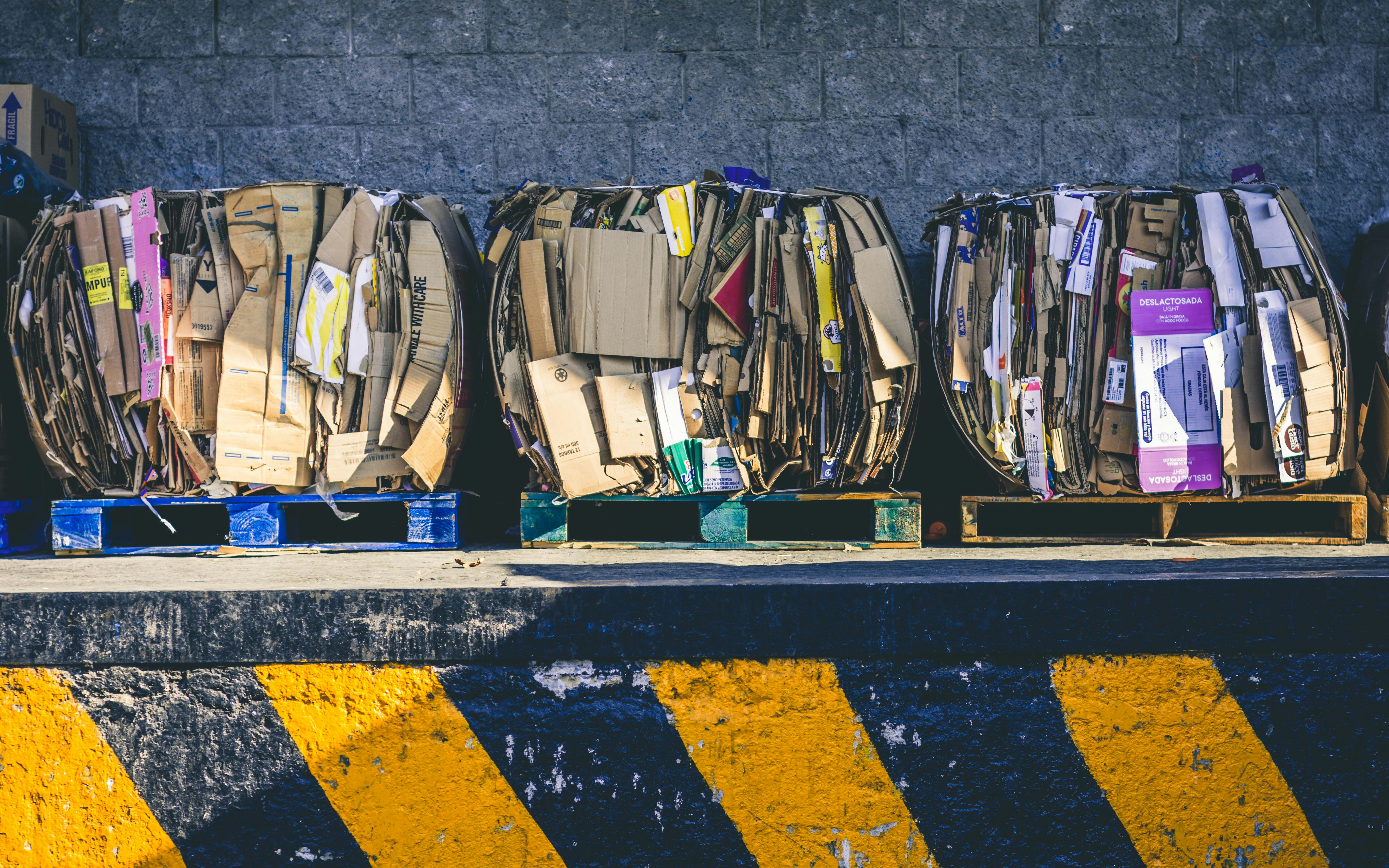
Recovering suitable containers reduces the volume of packaging sent for disposal. Containers that cannot be reused may still be suitable for material recycling, provided they are properly managed and meet applicable waste-handling requirements.
Improving Resource Efficiency
Manufacturing new industrial packaging requires raw materials, energy and processing resources. Extending the service life of existing containers can help reduce demand for replacement packaging and support more efficient resource utilization.
Strengthening Supply Chain Management
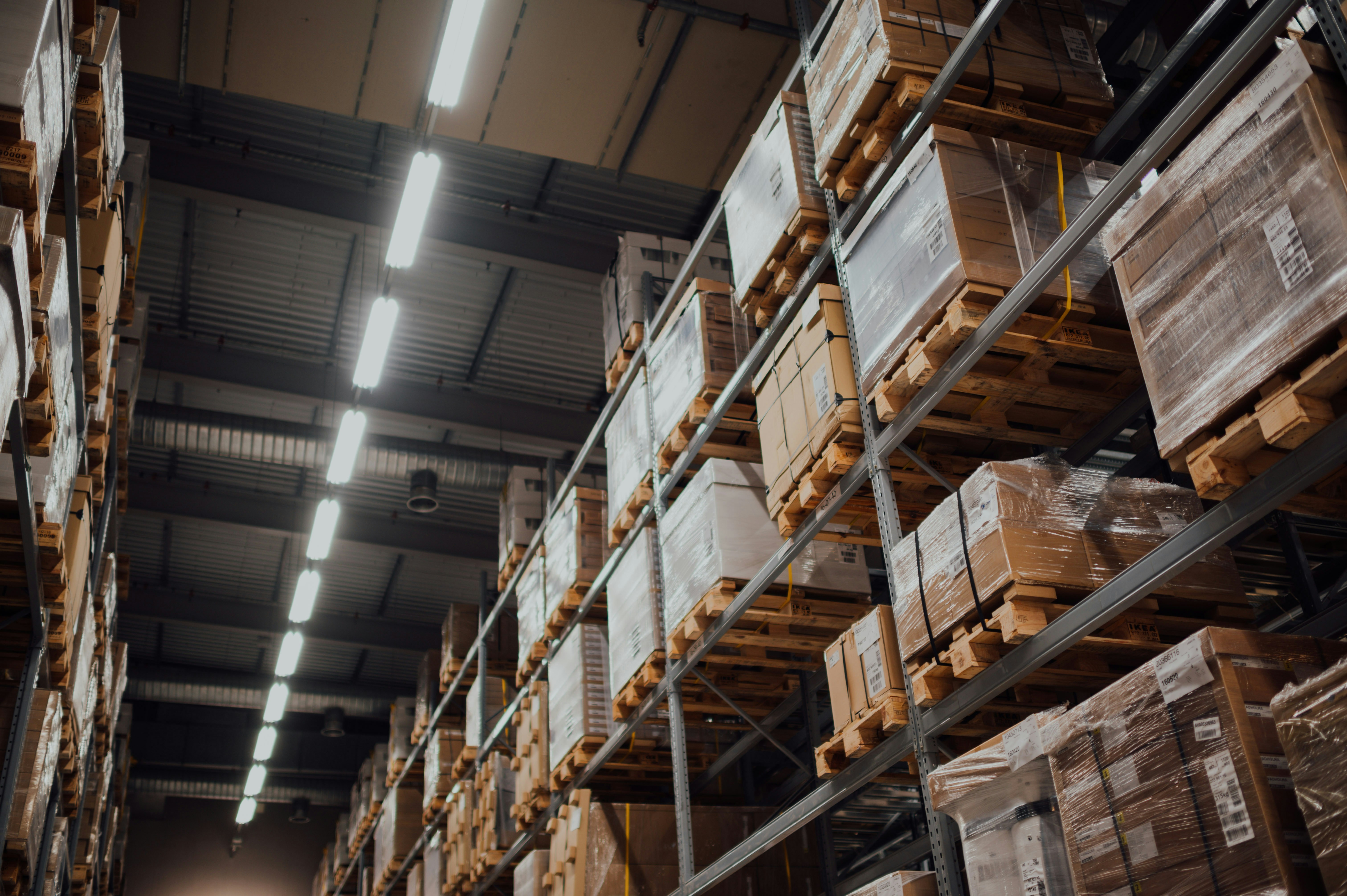
A formal return program improves visibility over packaging movement. Manufacturers and distributors can monitor container availability, identify losses, plan collection schedules and maintain better control over packaging inventories.
Common Types of Reusable Chemical Packaging
Different chemical products require different packaging materials and designs. The suitability of a container for reuse depends on its previous contents, material compatibility, physical condition and applicable transport requirements.
Intermediate Bulk Containers (IBCs)
IBCs are widely used for transporting and storing liquid chemicals, solvents, additives and industrial ingredients. They commonly feature a plastic inner bottle supported by a metal cage, although other designs are also available.
Depending on their construction and previous contents, IBCs may be collected, inspected, cleaned, repaired and prepared for another permitted use. Some systems replace the inner bottle while retaining a serviceable outer cage.
Steel Drums
Steel drums are commonly used for chemicals, coatings, oils, resins and other industrial materials. Professional reconditioning facilities can assess eligible drums, remove residues, restore their condition and conduct appropriate testing.
Plastic Drums
High-density polyethylene (HDPE) drums are used for a range of liquid chemical products. Their reuse depends on chemical compatibility, material degradation, contamination risks and the manufacturer's requirements.
Returnable Tanks and Specialized Containers
Certain chemical supply chains use dedicated tanks or specialized transport containers. These systems can support repeated product movements when cleaning, inspection, maintenance and traceability procedures are properly established.
How the Chemical Reverse Logistics Process Works
An effective reverse logistics program requires coordination between chemical manufacturers, distributors, customers, transport providers and packaging recovery facilities.
1. Packaging Collection and Return Authorization
The process begins when customers notify suppliers that empty containers are ready for collection. Companies may establish scheduled collection arrangements, return authorization procedures or designated collection points.
Clear instructions should explain which containers are eligible for return, how they must be prepared and what information must accompany them.
2. Identification and Documentation
Each returned container should be identified through labels, serial numbers, barcodes or tracking systems. Documentation should record the previous chemical contents and relevant handling information.
This information helps determine whether a container can enter a cleaning and reconditioning process or requires a different waste-management route.
3. Inspection and Condition Assessment
Returned packaging must be assessed for structural damage, corrosion, leakage, contamination and deterioration. Valves, closures, seals, fittings and other components should also be checked.
Containers that do not meet the required condition and performance standards should not be returned to service.
4. Cleaning and Reconditioning
Eligible containers may be sent to qualified facilities for cleaning, repair and reconditioning. The appropriate method depends on the container material and the chemical previously stored inside it.
Cleaning operations must also address residual chemicals and wastewater generated during the process. Professional handling is essential to prevent environmental contamination and worker exposure.
5. Testing and Reuse Approval
After cleaning and maintenance, containers should undergo the inspections and tests required for their intended use. For dangerous goods packaging, applicable performance standards, approvals and marking requirements must be satisfied.
Only containers that meet the relevant requirements should be released for reuse.
6. Recycling or Responsible Disposal
Packaging that cannot be safely reconditioned should be directed toward an appropriate recycling or disposal process. The decision must consider chemical residues, contamination, material type and local environmental regulations.
Key Challenges in Managing Chemical Returns
Although reverse logistics offers operational and environmental benefits, chemical companies face several challenges when establishing returnable packaging systems.
Chemical Residue and Cross-Contamination
Containers may retain traces of their previous contents even after being emptied. Mixing incompatible chemical residues can create serious safety and quality risks.
Companies must establish procedures for identifying previous contents and determining whether cleaning is sufficient for the next intended use.
Transportation and Handling Risks
Empty chemical containers are not automatically risk-free. Residual materials may remain inside packaging, creating potential exposure, leakage or transport hazards.
Containers should be sealed, identified and transported according to applicable requirements. Their previous contents and relevant handling instructions should be communicated to the receiving party.
Packaging Damage and Loss
Containers can become damaged during loading, unloading, storage and transportation. Some may also be lost or retained at customer facilities, reducing the availability of reusable packaging.
Tracking systems, return agreements and regular inventory checks can help address these problems.
Cleaning and Reconditioning Costs
Cleaning, inspection, repair and testing involve additional costs. For some packaging types or chemical products, reconditioning may not be economically or technically practical.
Companies should compare the cost of recovery with the expected remaining service life and the price of replacement packaging.
The Role of Technology in Reverse Logistics
Digital systems are increasingly useful for improving the visibility and efficiency of chemical packaging returns.
Barcode and RFID tracking can help identify individual containers and record their movement through the supply chain. Digital inventory platforms can monitor return dates, container availability, inspection results and maintenance history.
Companies can also use logistics software to organize collection routes, coordinate return shipments and reduce unnecessary transportation movements.
A digital container history is particularly valuable when packaging moves between multiple customers, distributors and recovery facilities. It helps organizations make informed decisions about cleaning, compatibility and reuse eligibility.
Sustainability and Regulatory Considerations
Chemical reverse logistics supports circular economy practices by keeping suitable packaging in use for longer and directing unsuitable materials toward appropriate recovery or disposal routes.
However, reuse must never take priority over chemical safety. Not every container is suitable for repeated use, and some packaging that has contained particularly harmful substances may require specialized treatment or disposal rather than reuse.
The Canadian government's environmental management guidance recommends returnable packaging where appropriate, proper sealing of used containers, documentation of previous contents and professional reconditioning of eligible drums and totes. It also emphasizes responsible management of cleaning residues and non-reusable packaging.
For dangerous goods, international transport requirements also matter. The United Nations Recommendations on the Transport of Dangerous Goods address packaging requirements, including provisions relevant to reused and reconditioned packaging. Companies must follow the rules applicable to their transport mode and jurisdiction.
Building an Effective Chemical Reverse Logistics Strategy
Chemical manufacturers and distributors can improve return operations by developing a structured packaging management strategy.
Important considerations include:
Establish clear return policies: Define eligible packaging types, collection procedures and customer responsibilities.
Maintain container traceability: Record packaging identification, previous contents, inspection history and reuse status.
Work with qualified reconditioners: Select service providers with appropriate technical capabilities and regulatory compliance procedures.
Set inspection standards: Establish criteria for accepting, repairing, reusing or rejecting returned containers.
Manage cleaning waste responsibly: Ensure that residues, rinsate and other cleaning waste are handled through approved processes.
Measure operational performance: Monitor return rates, packaging losses, reconditioning costs, container life cycles and waste reduction.
Outlook for Chemical Reverse Logistics
As chemical manufacturers and distributors focus on cost control, resource efficiency and sustainable supply chains, reverse logistics is becoming an important part of industrial packaging management.
The use of returnable IBCs, reusable drums, professional reconditioning services and digital tracking systems can help companies reduce unnecessary packaging purchases and improve control over container movements.
However, successful implementation depends on cooperation between suppliers, customers, logistics providers and recovery facilities. Chemical compatibility, container condition, residue management and transport compliance must remain central to every reuse decision.
A carefully designed chemical reverse logistics system can therefore support more efficient packaging operations while helping the industry move toward responsible resource use and improved waste management.
Environment and Climate Change Canada – Code of Practice for the Environmentally Sound Management of Chemical Substances. Guidance on returnable packaging, container sealing, professional reconditioning and waste management.
https://www.canada.ca/en/environment-climate-change/services/canadian-environmental-protection-act-registry/guidelines-objectives-codes-practice/environmentally-sound-management-chemical-substances.htmlU.S. Environmental Protection Agency – Used Drum Management and Reconditioning. Information on industrial drum and IBC cleaning, reconditioning and regulatory considerations.
https://www.epa.gov/hw/used-drum-management-and-reconditioningUnited Nations Economic Commission for Europe – Recommendations on the Transport of Dangerous Goods, Volume II. International recommendations covering packaging requirements for dangerous goods, including reused and reconditioned packaging.
https://unece.org/transport/dangerous-goodsMauser Packaging Solutions – Reconditioning Services. Industry example of collection, cleaning, repair and reconditioning services for industrial drums and IBCs.
https://mauserpackaging.com/circular-solutions/reconditioning-services/UK Health and Safety Executive – Packaging. Guidance on the reuse of packaging for dangerous goods and the importance of packaging condition and performance certification.
https://www.hse.gov.uk/cdg/manual/packaging.htm

Agar (E406)
Found this useful?