Chemical Shipping Trends 2026: How Global Logistics Disruptions Are Changing Sourcing
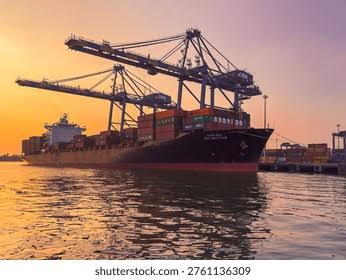
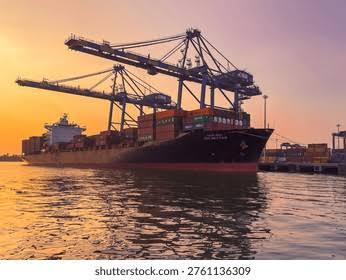
Global chemical shipping is becoming a more important procurement issue in 2026 as disruptions across major trade routes continue to affect delivery schedules, freight costs and supply planning. Chemical buyers now need to consider transportation reliability alongside product price, specifications and supplier capacity.
The impact extends across bulk chemicals, specialty chemicals, solvents, fertilizers and industrial raw materials. Longer shipping routes, port congestion, container availability and geopolitical disruptions can all change the economics of an import transaction before the cargo reaches its destination.
For chemical traders and procurement teams, the result is a shift from simple price-based sourcing toward more flexible supply strategies.
Longer Shipping Routes Are Reshaping Chemical Trade
One of the biggest changes in global chemical logistics involves the growing use of alternative shipping routes. When vessels avoid disrupted or high-risk corridors, transit times can increase significantly and create additional fuel, insurance and handling costs.
For chemical importers, longer voyages also affect inventory planning. A shipment that previously arrived within a predictable window may now require additional safety stock to protect production from unexpected delays.
This creates a direct connection between freight planning and chemical purchasing decisions. Buyers need to evaluate the delivered cost of material rather than focusing only on the supplier's quoted product price.
Freight Volatility Is Becoming a Procurement Issue
Freight costs can change the competitiveness of chemical suppliers from one region to another. A producer offering a lower FOB price may not remain the lowest-cost source after freight, insurance, port charges and other logistics expenses are included.
Containerized chemical shipments can face additional pressure when carriers adjust schedules or equipment allocation. Buyers may also encounter higher costs when they need specialized containers, temperature-controlled transportation or hazardous-material handling.
Procurement teams are therefore paying closer attention to landed cost calculations. These calculations provide a clearer picture of what a chemical actually costs when it reaches the buyer's facility.
Port Congestion Can Create Hidden Supply Risks
Port performance remains another important factor in chemical sourcing. Congestion can delay vessel unloading, container release, customs clearance and inland transportation.
For chemicals with strict production schedules, even a short delay can create operational problems. Manufacturers may need to adjust production plans or purchase material from alternative suppliers at short notice.
Chemical traders can reduce this exposure by monitoring port conditions and maintaining communication with logistics partners. They can also evaluate alternative ports when infrastructure and regulations allow.
The key issue is not simply whether a port remains operational. Buyers need to understand how consistently cargo can move through the entire logistics chain.
Chemical Buyers Are Increasing Supplier Diversification
Shipping disruptions are encouraging buyers to reconsider dependence on a single supply origin. Instead of relying heavily on one producer or country, procurement teams are increasingly evaluating multiple suppliers across different regions.
Supplier diversification does not necessarily mean replacing an existing supplier. It can involve establishing qualified secondary sources before a disruption occurs.
For example, an importer purchasing a chemical primarily from East Asia may evaluate suppliers in India, the Middle East, Europe or other manufacturing regions. The alternative source may carry a different product price, but it can provide valuable supply flexibility when transportation conditions change.
Diversification is becoming a risk-management tool rather than simply a purchasing strategy.
Regional Sourcing Is Gaining More Attention
Global sourcing remains essential for many chemicals because production capacity is concentrated in specific countries. However, buyers are increasingly considering regional or geographically closer suppliers when the total cost difference is manageable.
Shorter supply routes can reduce transit time and simplify inventory management. They may also provide greater flexibility when demand changes unexpectedly.
Regional sourcing can be particularly relevant for frequently consumed chemicals where buyers need regular replenishment. A slightly higher material price may become commercially attractive if it reduces freight exposure and inventory requirements.
Inventory Strategies Are Changing
Traditional just-in-time purchasing can become difficult when shipping schedules become less predictable. Chemical buyers may need to maintain additional inventory for materials with long lead times or limited alternative sources.
However, holding more inventory also creates costs. Chemicals can require specialized storage, safety controls and careful shelf-life management.
Procurement teams therefore need to distinguish between chemicals where additional safety stock provides meaningful protection and materials that can be sourced quickly from alternative suppliers.
A practical approach is to classify chemicals according to supply risk, lead time, availability of substitutes and production importance.
Dangerous Goods Logistics Requires Greater Planning
Chemical shipping involves additional requirements compared with ordinary commercial cargo. Classification, packaging, documentation, labeling, storage and handling requirements can affect both cost and transit time.
Changes in carrier schedules can become more complicated when a shipment involves regulated hazardous materials. Not every carrier, route or port offers the same handling capabilities.
Buyers should therefore confirm logistics requirements before finalizing an international purchase. A supplier's ability to manufacture a product does not automatically guarantee that the material can move efficiently to the buyer's destination.
Procurement teams should review the complete shipping pathway, including export documentation, packaging, freight arrangements, port handling and inland delivery.
Chemical Traders Can Support More Flexible Sourcing
Chemical traders have an important role in managing fragmented global supply chains. Their supplier networks can help buyers identify alternative origins when transportation disruptions affect established routes.
Traders can also combine market knowledge with logistics expertise. This allows buyers to compare different sourcing options based on both chemical availability and delivered cost.
For importers, working with multiple qualified suppliers can reduce the pressure created by sudden freight changes. It can also improve negotiating flexibility when market conditions shift.
The strongest sourcing strategies will increasingly connect product availability, logistics planning and market intelligence.
What Buyers Should Do Now
Chemical procurement teams can take several practical steps to prepare for continued shipping uncertainty in 2026.
Review landed costs: Compare suppliers using the full delivered cost rather than the chemical price alone.
Map supply dependencies: Identify chemicals that rely heavily on one country, producer, port or shipping route.
Develop backup suppliers: Qualify alternative manufacturers before an emergency occurs.
Review inventory levels: Increase safety stock selectively for critical materials with long or unpredictable lead times.
Monitor logistics conditions: Track major shipping routes, ports and carrier schedules that affect important purchases.
Check hazardous-material requirements: Confirm that packaging, documentation and carrier arrangements meet applicable transport requirements.
Consider regional alternatives: Evaluate suppliers closer to the destination market where commercially practical.
Strengthen supplier communication: Request realistic lead times and early notification of shipment changes.
These actions can help buyers move from reactive procurement toward more resilient supply planning.
Looking Ahead to 2027
Chemical shipping is likely to remain closely connected to sourcing decisions as global trade routes, freight markets and supply networks continue to evolve. Buyers cannot control every disruption, but they can reduce their exposure by creating more flexible procurement structures.
The companies best positioned to manage logistics volatility will not necessarily be those with the lowest purchase price. They will be the companies that understand the relationship between supplier location, freight, inventory, lead time and overall delivered cost.
For chemical traders and importers, this makes supplier diversification and logistics visibility increasingly important parts of international sourcing.
Ready to source chemicals from verified global suppliers? Explore competitive offers on our platform today.

Calcium Chloride (E509)
Found this useful?