
Citric Acid: Industrial Applications and Global Market Demand
Citric acid remains an important industrial chemical because manufacturers rely on it for acidity control, flavor enhancement, metal-ion binding and cleaning performance. Its applications span food processing, beverage production, pharmaceuticals, personal care and industrial cleaning, creating demand across several manufacturing sectors.
For chemical traders, procurement managers and industrial buyers, citric acid offers access to a broad range of end-use markets. However, purchasing decisions require more than comparing prices. Buyers must consider product grade, moisture content, application requirements, supplier consistency and transportation costs to secure suitable material for their operations.
What Is Citric Acid and Why Do Industries Use It?
Citric acid is an organic acid found naturally in citrus fruits, including lemons and limes. Commercial manufacturers primarily produce it through fermentation using carbohydrate-based raw materials, followed by purification, crystallization and drying when producing solid grades.
Its chemical properties make it useful in formulations that require controlled acidity, stable performance or the management of metal ions. Manufacturers value citric acid because it performs several functions within a single formulation, helping them meet product quality and processing requirements.
Common commercial forms include:
Citric Acid Monohydrate: This crystalline form contains water of crystallization and serves food processing, beverage manufacturing and other suitable applications.
Citric Acid Anhydrous: This form contains no water of crystallization and suits applications where moisture specifications or formulation requirements favor an anhydrous ingredient.
Liquid Citric Acid: Manufacturers can use liquid solutions where pumping, automated dosing and direct blending fit their production systems.
The correct choice depends on the application, formulation design and required product specifications. Buyers should confirm the grade and form with suppliers before placing bulk orders.
Food and Beverage Manufacturing Drives Major Demand
Food and beverage production represents one of the most important demand centers for citric acid. Manufacturers use it to adjust acidity, balance flavor, support preservation systems and maintain consistent product characteristics across production batches.
Soft drinks, fruit beverages, confectionery, jams, sauces, dairy products and processed foods all provide potential commercial applications. Beverage manufacturers, in particular, depend on accurate acid dosing to maintain the intended taste profile and product consistency.
Citric acid supports several functions in food processing:
Acidity regulation: It helps manufacturers establish the required pH in beverages, sauces and other formulated foods.
Flavor enhancement: It contributes a sour taste that balances sweetness and strengthens selected flavor profiles.
Preservation support: It can help create acidic conditions that limit the growth of certain microorganisms, although its effectiveness depends on the complete formulation and processing conditions.
Product stability: It can bind certain metal ions that contribute to unwanted changes in color, flavor or product quality.
Food manufacturers must purchase material that meets the applicable food-grade specifications and regulatory requirements in their target markets. A competitive price alone does not establish suitability for food production.
Pharmaceutical, Personal Care and Cleaning Applications
Citric acid also serves industries that require specific functional properties and dependable ingredient quality. Its role varies by application, making grade selection and technical documentation important parts of procurement.
In pharmaceutical manufacturing, formulators use citric acid for pH adjustment and in selected oral preparations, effervescent products and other formulations. Its suitability depends on the intended use, purity requirements and the manufacturer's applicable quality standards.
Personal care manufacturers use citric acid to adjust pH in products such as shampoos, skin cleansers and selected cosmetic formulations. Formulators must assess compatibility with other ingredients to achieve the required product stability and performance.
Household and industrial cleaning products create another important demand channel. Citric acid and citrate salts can bind hardness ions, supporting cleaning performance in formulations designed for particular water conditions.
Commercial buyers should understand the differences between these applications before selecting a supplier. Pharmaceutical, cosmetic and cleaning uses may require different purity specifications, documentation packages and acceptance criteria.
Global Citric Acid Market Demand and Regional Trends
Global citric acid demand reflects the combined needs of food processors, beverage manufacturers, cleaning product producers and pharmaceutical companies. The market also benefits from the broad availability of applications that use citric acid as an acidulant, pH regulator or chelating agent.
S&P Global Commodity Insights reported in its June 2024 Chemical Economics Handbook abstract that global citric acid demand was expected to increase at an average annual rate of 3.0% during 2024 to 2029. Its analysis identifies food and beverages as the largest consumption category, while detergents, cleaners and other industrial applications also contribute to demand.
Asia-Pacific plays an important role in the global market through its manufacturing capacity, chemical supply networks and large consumer industries. China is a major source of internationally traded citric acid, making the country relevant to importers and distributors seeking bulk supplies.
Regional demand also depends on the strength of downstream manufacturing:
Asia-Pacific: Food processing, beverage production and large-scale chemical manufacturing support both consumption and supply.
Europe: Food ingredients, household cleaning formulations and industrial applications create demand for consistent quality and regulatory documentation.
North America: Beverage production, processed foods, pharmaceuticals and cleaning products provide established markets for citric acid.
Middle East and Africa: Food manufacturing, beverage production and expanding distribution networks can create additional sourcing opportunities.

Key Factors That Influence Citric Acid Prices
Citric acid prices depend on manufacturing economics, supply availability and purchasing conditions across international markets. Buyers who understand these factors can evaluate quotations more effectively and plan procurement around their production schedules.
Raw material and production costs influence the economics of fermentation-based manufacturing. Changes in carbohydrate feedstock prices, energy costs, labor expenses and plant operating conditions can affect producers' costs and their willingness to offer particular prices.
Supply and demand balance also matters. Strong demand from beverage and food manufacturers can tighten available supply, while increased production capacity or weaker downstream orders may improve availability and increase competition among suppliers.
Freight and logistics can materially affect the delivered cost. Ocean freight rates, port congestion, inland transportation, insurance and shipment size all influence the final price paid by an importer.
Other factors include:
Product form and grade: Monohydrate and anhydrous products may have different pricing depending on manufacturing conditions and buyer specifications.
Order volume: Larger orders may offer improved unit economics, although minimum quantities, storage costs and working capital requirements also matter.
Currency movements: Exchange-rate changes can alter the local cost of imported material.
Packaging requirements: Different bag sizes, pallet configurations and handling arrangements can affect shipment costs.
Contract terms: Payment schedules, delivery commitments and agreed specifications influence the overall commercial value of an offer.
Procurement teams should compare quotations on a consistent basis. Evaluating the delivered cost per unit, product quality and delivery reliability gives buyers a more useful comparison than focusing on the supplier's initial price alone.
How Industrial Buyers Should Select a Citric Acid Supplier
Supplier selection affects production continuity, product quality and purchasing costs. Buyers should establish clear specifications before requesting quotations, particularly when they intend to use citric acid in regulated or quality-sensitive applications.
Start by defining the intended application and required grade. Specify whether the production process requires citric acid monohydrate, anhydrous citric acid or a suitable liquid form.
Next, request documentation that supports the proposed product's suitability. Depending on the application and market, buyers may require a certificate of analysis, safety data sheet, specification sheet and relevant compliance documents.
A practical supplier evaluation should cover these areas:
Product quality: Check assay, moisture content, appearance and other parameters relevant to the agreed specification.
Documentation: Confirm that product documents match the supplied grade, batch and intended application.
Supply capacity: Assess whether the supplier can fulfill the required quantity and maintain availability for repeat orders.
Packaging and handling: Verify packaging integrity, storage recommendations and suitability for the planned transportation method.
Delivery performance: Review lead times, shipment planning and the supplier's ability to communicate delays.
Commercial terms: Compare minimum order quantities, payment conditions, freight arrangements and quotation validity.
Buyers should also consider the supplier's response to quality complaints and shipment discrepancies. Clear communication and traceable batch documentation can reduce disruption when a delivery fails to meet agreed requirements.
Supply Chain Risks and International Sourcing Considerations
International citric acid procurement exposes buyers to several risks beyond product pricing. Production concentration, transportation delays and unexpected changes in supplier availability can affect purchasing schedules, particularly for manufacturers that maintain limited inventories.
Dependence on a single supplier or sourcing country can increase exposure to disruptions. Buyers can reduce this risk by qualifying alternative suppliers, checking available inventory and maintaining realistic lead-time assumptions.
Importers should also review the requirements that apply to their destination market. Depending on the end use, these may include chemical documentation, food ingredient compliance, labeling, customs classification and import procedures.
Before confirming an order, procurement teams should verify the following:
The product specification matches the purchase agreement.
The supplier confirms the available quantity and expected dispatch date.
Packaging, labeling and shipping documents meet destination requirements.
The quotation clearly defines freight, insurance, payment terms and delivery responsibilities.
The receiving facility can store the material under the recommended conditions.
For food, pharmaceutical and other regulated uses, buyers should verify the applicable requirements with their quality and compliance teams. Material that meets one market's requirements may not automatically satisfy another market's rules.
Market Outlook and Procurement Priorities for 2027
Citric acid demand is likely to remain connected to the performance of food and beverage manufacturing, cleaning products and selected pharmaceutical applications. S&P Global Commodity Insights' 2024 analysis projected continued growth through 2029, highlighting the importance of these established end-use markets.
Demand opportunities may also emerge as manufacturers adjust formulations, expand production capacity or seek ingredients that support their product performance requirements. However, procurement teams should avoid assuming that demand growth will produce uniform price increases across all regions and grades.
For 2027 planning, buyers should monitor supplier quotations, raw material trends, freight conditions and order lead times. They should also review inventory policies to balance supply continuity against warehousing expenses and working capital constraints.
A flexible sourcing strategy can help companies respond to changing market conditions. Maintaining qualified alternatives, reviewing supplier performance and negotiating clear delivery terms can improve resilience without relying solely on large inventory purchases.
What Buyers Should Do Now to Source Citric Acid
Citric acid's diverse industrial applications create opportunities for chemical traders, importers and manufacturers serving food processing, beverages, pharmaceuticals, personal care and cleaning products. Buyers can strengthen their procurement decisions by understanding the required grade, comparing suppliers on delivered cost and verifying the documentation that supports each shipment.
A structured sourcing process should begin with clear specifications and realistic volume forecasts. Procurement teams should then assess product quality, supplier capacity, shipment terms and contingency options before committing to a purchase.
For businesses that trade citric acid internationally, supplier diversification and transparent commercial terms can help manage supply risks while supporting long-term customer relationships. Consistent product quality and dependable delivery remain central to building a reliable supply chain.
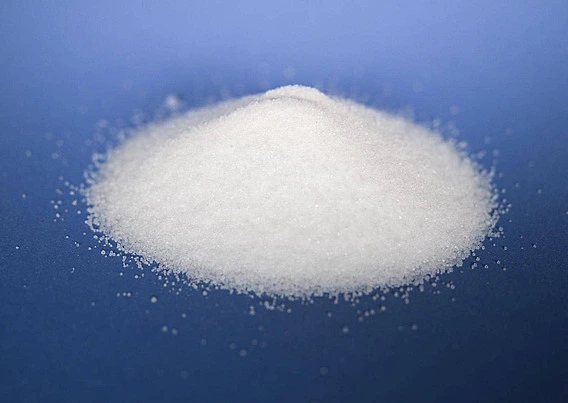
Citric Acid Monohydrate (E330)
Found this useful?