Titanium Dioxide: Uses in Paints, Plastics and Coatings
Titanium dioxide (TiO₂) remains an essential raw material for manufacturers that need reliable whiteness, opacity and colour performance in their finished products. Paint producers, plastic processors and industrial coating manufacturers use this white pigment to improve appearance and achieve specific performance requirements across a wide range of applications.
For chemical traders, procurement managers and industrial buyers, understanding titanium dioxide uses helps connect product specifications with actual manufacturing needs. Buyers must consider more than the purchase price, since pigment grade, dispersion, durability and compatibility with the final formulation can influence production efficiency and product quality.
What Makes Titanium Dioxide an Important Industrial Pigment?
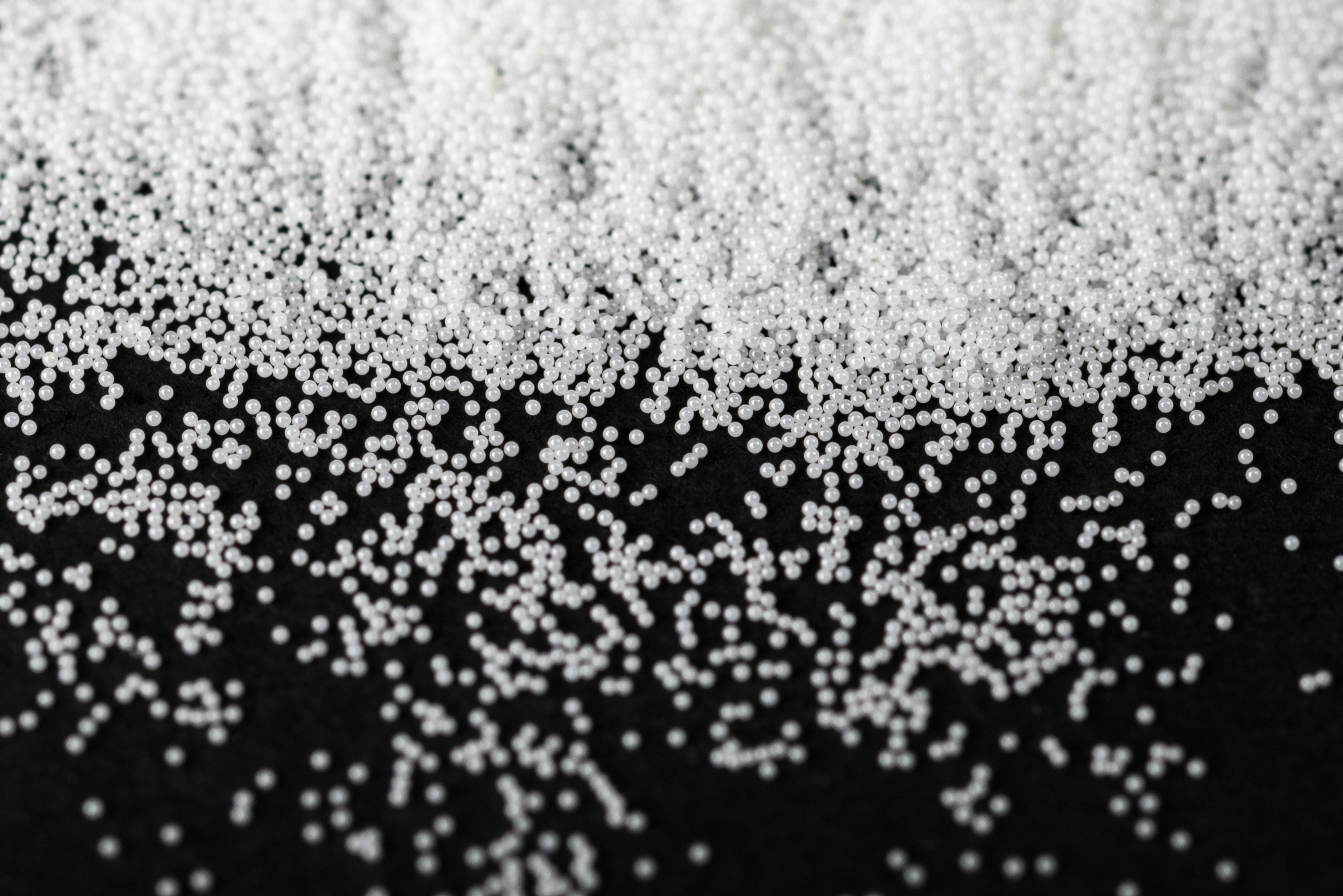
Titanium dioxide is an inorganic compound made from titanium and oxygen. Manufacturers value it for its high refractive index, strong light-scattering ability, chemical stability and resistance to light and weathering, which help products maintain their intended colour and appearance.
The compound occurs in different crystalline forms, mainly rutile and anatase in commercial applications. Manufacturers select the appropriate grade according to the performance requirements of the finished product, the processing method and the formulation.
Three properties explain much of its industrial importance:
Opacity: Titanium dioxide helps hide the underlying surface or material, reducing unwanted transparency in paints, coatings and plastics.
Whiteness and brightness: The pigment produces a clean white appearance and supports the development of consistent shades when manufacturers combine it with other colourants.
Durability: Appropriate grades can help maintain colour and appearance under exposure to light, heat and outdoor weather conditions.
These characteristics make titanium dioxide a core formulation ingredient rather than simply a colour additive. Its performance can influence the quantity required in a formulation, the final appearance and the consistency of production batches.
Titanium Dioxide Uses in Paints and Decorative Finishes
Paint manufacturing represents one of the most important application areas for titanium dioxide. Producers incorporate the pigment into architectural paints, interior wall coatings, exterior finishes and other decorative products to achieve strong coverage, brightness and consistent colour.
In white paint, titanium dioxide provides the opacity and brightness that define the finished product. In coloured formulations, it creates a suitable base that helps manufacturers control shade development and achieve consistent visual results.
Its role extends across several paint categories:
Interior paints: Manufacturers use titanium dioxide to produce bright white finishes and improve hiding power across walls and ceilings.
Exterior paints: Suitable grades help maintain appearance under sunlight and weather exposure, making pigment durability an important selection factor.
Industrial paints: Producers use titanium dioxide in protective and functional coating systems where appearance must meet defined product specifications.
Decorative finishes: The pigment supports consistent colour and opacity in products designed for residential, commercial and architectural applications.
For paint manufacturers, selecting the right grade requires attention to dispersion, compatibility with binders and additives, opacity requirements and the expected service environment. A pigment that performs well in one formulation may not deliver identical results in another, so buyers should evaluate technical documentation and application-specific performance.
How Titanium Dioxide Improves Plastics and Polymer Products
Plastic manufacturers use titanium dioxide to improve whiteness, opacity and visual consistency in finished polymer products. The pigment can also contribute to resistance against ultraviolet radiation when manufacturers select a suitable grade and incorporate it appropriately into the formulation.
These functions matter because many plastic products face prolonged exposure to light or require a uniform appearance across large production volumes. Packaging materials, plastic films, household products, pipes and selected construction materials can all benefit from carefully formulated pigment systems.
Common applications include:
Plastic packaging: Titanium dioxide helps produce opaque white packaging and supports consistent appearance across containers, films and other products.
Building materials: Plastic profiles, panels and selected outdoor components may require whiteness and colour stability during service.
Consumer goods: Manufacturers use the pigment to achieve consistent shades in household items and other moulded plastic products.
Polymer films: Appropriate grades help control opacity and appearance while meeting the processing requirements of film production.
However, buyers should not assume that every titanium dioxide grade suits every polymer. Compatibility with the resin, processing temperature, dispersion behaviour and required mechanical or optical properties all influence the final selection.
Plastic processors should also evaluate how the pigment affects processing efficiency and finished-product consistency. Proper dispersion helps prevent visible defects and supports uniform colour throughout the material.
Titanium Dioxide in Industrial and Protective Coatings
Industrial coatings require a balance between appearance, protection and application performance. Titanium dioxide supports these requirements by providing opacity and colour while contributing to the visual consistency of coating systems used on equipment, structural components and other manufactured surfaces
Coating manufacturers may use the pigment in protective finishes for metal components, machinery, building materials and outdoor structures. The exact formulation depends on the substrate, the operating environment and the required service life.
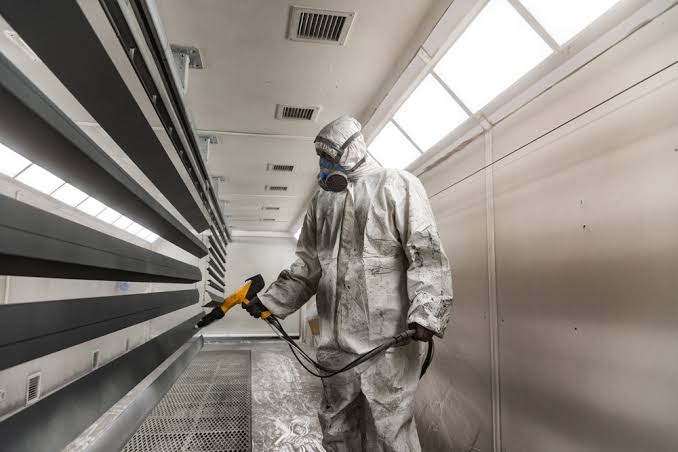
For procurement teams, the most useful specification is the one that reflects the actual end-use conditions. A coating designed for indoor equipment may have different durability requirements from a system exposed to direct sunlight, moisture or demanding industrial environments.
Buyers should review the following points before placing an order:
Weather resistance: Outdoor applications may require grades designed to maintain colour and appearance during prolonged exposure.
Formulation compatibility: The pigment must work with the coating's resin system, solvents or water-based ingredients and other additives.
Dispersion performance: Good dispersion supports uniform coverage and reduces the risk of visible defects in the finished coating.
Quality consistency: Reliable specifications and repeatable batch performance help manufacturers maintain production standards.
Titanium dioxide does not replace the other protective components in a coating. Instead, it performs alongside binders, additives and other formulation ingredients to deliver the desired combination of appearance and performance.
What Determines Titanium Dioxide Grade Selection?
Not all titanium dioxide products deliver the same performance. Buyers should match the grade to the application rather than selecting material solely by its advertised whiteness or price.
Rutile grades commonly serve applications that require strong outdoor durability and weather resistance, including many paints, coatings and plastic products. Anatase grades suit selected applications where their particular optical and formulation characteristics meet the manufacturer's requirements. The best option depends on the technical specification and intended use.
Procurement teams should assess these important specifications:
TiO₂ content and purity: Confirm that the product meets the agreed specification and the manufacturer's formulation requirements.
Particle characteristics: Particle size distribution and surface treatment can influence dispersion, optical performance and compatibility with the application.
Whiteness and tinting strength: These properties help buyers assess how the pigment will perform in white and coloured formulations.
Dispersion behaviour: Review whether the grade works with the available mixing equipment and production process.
Packaging and storage: Check packaging integrity, moisture protection and handling requirements to maintain material quality throughout storage and transport.
A technical data sheet provides an important starting point, but buyers should also request a safety data sheet and representative samples when necessary. Trial batches can help confirm whether a proposed grade meets the actual production requirements before the manufacturer commits to a large purchase.
Titanium Dioxide Supply Chains and Procurement Challenges
Titanium dioxide production depends on titanium-bearing mineral feedstocks and industrial processing. Manufacturers commonly use the sulfate or chloride process, with the choice of route depending on feedstock, production technology and the desired product characteristics.
For traders and industrial buyers, sourcing decisions must account for several variables that can influence supply reliability and purchasing costs. A low quoted price may offer limited value if the pigment fails quality checks or arrives later than the production schedule allows.
Key procurement considerations include:
Supplier reliability: Assess production capability, order fulfilment history and the supplier's ability to maintain consistent specifications.
Price fluctuations: Changes in feedstock, energy, manufacturing and freight costs can affect supplier quotations and delivered prices.
Lead times: Confirm production schedules, shipping arrangements and expected delivery dates before committing to procurement volumes.
Documentation: Request product specifications, safety documentation, certificates of analysis where applicable and clear packaging details.
Supply diversification: Qualifying more than one supplier can reduce dependence on a single source, provided alternative grades meet the same technical requirements.
Importers should also calculate the total landed cost, including freight, insurance, duties, handling and any applicable local charges. Comparing quotations on a consistent grade, packaging type and delivery basis gives buyers a more meaningful picture of value.
Handling, Storage and Regulatory Considerations
Titanium dioxide's handling requirements depend on its physical form, particle characteristics and intended application. Buyers and warehouse operators should follow the supplier's safety data sheet, particularly when handling fine powders that can generate airborne dust.
BfR+1
Good warehouse practices include keeping packaging sealed when not in use, preventing contamination and using suitable ventilation and dust-control measures during transfer or mixing. Workers should follow the specified personal protective equipment requirements and avoid unnecessary dust generation.
Regulatory requirements also deserve attention. Classification, labelling and workplace controls can vary by jurisdiction, product form and exposure scenario, so importers should verify the rules that apply in the destination market.
For example, businesses supplying the European market should review applicable chemical classification and labelling requirements rather than assuming that the same documentation will satisfy every country. Manufacturers should also confirm that the grade meets the requirements of the specific end-use application, especially where product-specific restrictions apply.
How Buyers Can Build a More Reliable Sourcing Strategy
A structured procurement process helps manufacturers reduce specification mismatches and avoid preventable supply disruptions. It also gives chemical traders a clearer basis for comparing supplier offers and building long-term commercial relationships.
Buyers can follow a practical sequence:
Define the application. Specify whether the pigment will be used in decorative paint, industrial coatings, plastic packaging or another polymer product.
Confirm the technical grade. Establish the required crystal form, surface treatment, optical properties and other application-specific parameters with the production team.
Request comparable quotations. Ask suppliers to quote against the same technical specification, quantity, packaging and delivery terms.
Evaluate samples. Test the material in the actual formulation where practical, checking dispersion, appearance and relevant performance indicators.
Review documentation. Verify the technical data sheet, safety data sheet and agreed quality documents before finalising the order.
Monitor supplier performance. Track delivery reliability, batch consistency and quality issues to inform future purchasing decisions.
This approach helps buyers avoid a common procurement mistake: treating all white pigment products as interchangeable. Two products may share the same chemical name but perform differently in a particular formulation because of grade, surface treatment or processing characteristics.
What Titanium Dioxide Buyers Should Prioritise Next
Demand from paints, plastics and coatings makes titanium dioxide an important material for manufacturers that depend on consistent pigment performance. Buyers can strengthen their sourcing decisions by combining technical evaluation with supplier reliability, transparent pricing and careful delivery planning.
The most effective procurement strategy focuses on long-term value rather than the lowest initial quotation. Manufacturers should qualify suitable grades, compare suppliers against consistent specifications and maintain clear communication between purchasing, quality control and production teams.
Chemical traders can also support customers by providing reliable product documentation, clear grade information and competitive supply options. These practices help build confidence and create more dependable relationships throughout the supply chain.
Potassium Fluorotitanate
SOURCE LINK :https://www.tdma.info/about-tio2/
Found this useful?