Chemical Supplier Performance: Key Measures for Better Procurement
Chemical procurement depends on more than finding competitive prices. Buyers also need suppliers who deliver the correct products on schedule, maintain consistent specifications and respond quickly when problems arise. Chemical supplier performance provides a practical way to evaluate these responsibilities and understand how well a supplier supports business operations.
For chemical traders, manufacturers, importers and procurement managers, supplier evaluation helps reduce purchasing risks and improve supply chain reliability. A structured performance measurement process allows businesses to compare suppliers using delivery records, quality results and service standards rather than relying only on price or previous relationships.
Why Chemical Supplier Performance Matters
Chemical suppliers influence several important areas of industrial operations. Late deliveries can interrupt production, inconsistent product quality can affect finished goods and poor communication can delay purchasing decisions.
A supplier performance system helps procurement teams identify these problems before they become major operational concerns. It also creates a consistent method for reviewing supplier reliability and deciding whether an existing business relationship should continue.
Maintaining Production and Inventory Stability
Manufacturers often depend on regular chemical deliveries to maintain production schedules. If a supplier repeatedly misses delivery deadlines, buyers may need to increase safety stock, arrange emergency purchases or adjust manufacturing plans.
Reliable suppliers help businesses maintain more predictable inventory levels. Procurement teams can coordinate purchasing schedules with actual production requirements and reduce unnecessary stock accumulation.
Reducing Procurement and Supply Chain Risks
Supplier performance evaluation also supports risk management. A supplier that frequently changes product specifications, provides incomplete documentation or fails to communicate shipment delays can create additional costs.
Regular assessments help buyers recognize warning signs and develop alternative sourcing arrangements. This becomes particularly important when businesses depend on imported chemicals or products from a limited number of suppliers.
Measuring Chemical Delivery Performance
Delivery performance is one of the most visible indicators of supplier reliability. Buyers should examine whether suppliers deliver orders on time, provide the correct quantities and maintain agreed transportation conditions.
On-Time Delivery Rate
The on-time delivery rate measures how frequently a supplier delivers orders within the agreed timeframe.
Procurement teams can calculate this indicator by dividing the number of on-time deliveries by the total number of deliveries during a selected period and multiplying the result by 100.
For example, if a supplier completes 90 deliveries on time out of 100 shipments, its on-time delivery rate is 90%.
A consistent delivery record helps buyers plan inventory and production activities more effectively. However, teams should also examine the reasons behind delayed shipments, including transportation problems, export documentation and production interruptions.
Order Accuracy and Quantity Fulfilment
Receiving the correct quantity and product specification is another important delivery requirement. A shipment may arrive on time but still create problems if it contains the wrong chemical grade, incomplete quantities or incorrect packaging.
Procurement teams should monitor:
Order quantity accuracy: Whether the supplier delivers the quantity confirmed in the purchase order.
Product accuracy: Whether the shipment contains the correct chemical name, grade and specification.
Packaging condition: Whether drums, bags, containers or other packaging arrive without visible damage.
Documentation accuracy: Whether invoices, packing lists and shipping documents match the order.
These checks help buyers distinguish between suppliers who simply deliver shipments and those who fulfil orders accurately.
Evaluating Chemical Product Quality
Product quality directly affects manufacturing efficiency, product consistency and customer satisfaction. Chemical buyers should assess suppliers according to their ability to meet agreed technical specifications across multiple shipments.
Consistency Against Product Specifications
Chemical products must meet the technical requirements established by buyers. Depending on the product, these requirements may include purity, concentration, moisture content, viscosity, pH value, particle size or other relevant properties.
For example, a manufacturer purchasing sodium hydroxide may require a specific concentration and impurity level. Variations between shipments can affect production processes and increase the need for additional quality checks.
Buyers should compare received materials with approved specifications and maintain records of inspection results. This makes it easier to identify repeated quality variations and discuss corrective actions with suppliers.
Certificates of Analysis and Quality Documentation
A Certificate of Analysis (COA) provides important information about a chemical batch and its tested properties. Procurement and quality control teams should review COAs to confirm that the reported results match purchasing requirements.
Other relevant documents may include:
Safety Data Sheets (SDS) for chemical handling and hazard information.
Product specifications describing approved technical requirements.
Batch or lot identification records for traceability.
Inspection and test reports where required by the purchasing agreement.
Relevant regulatory or compliance documentation.
Documentation requirements vary according to the chemical, destination market and applicable regulations. Buyers should establish these requirements before confirming orders.
Key Performance Indicators for Supplier Evaluation
A structured supplier evaluation process uses Key Performance Indicators (KPIs) to measure results over time. These indicators allow procurement managers to compare suppliers using consistent criteria.
Important supplier performance indicators include:
On-time delivery rate: Measures the percentage of orders received within the agreed delivery period.
Order fulfilment rate: Evaluates whether suppliers deliver the complete quantity requested.
Product rejection rate: Tracks shipments or batches that fail quality inspections.
Specification compliance: Measures how consistently products meet approved technical requirements.
Response time: Evaluates how quickly suppliers respond to inquiries, complaints and order updates.
Documentation accuracy: Measures whether required shipping and quality documents contain complete and correct information.
Complaint resolution: Tracks how effectively suppliers investigate and resolve reported problems.
Procurement teams should select KPIs according to their purchasing requirements. A manufacturer purchasing critical raw materials may place greater importance on specification compliance and delivery reliability, while a chemical distributor may also focus on order fulfilment and documentation accuracy.

How Procurement Teams Should Score Suppliers
Supplier scoring provides a practical method for combining delivery, quality and service results into one evaluation process. Businesses can assign different weights to performance categories according to their operational priorities.
Establishing Evaluation Criteria
A procurement department can divide supplier performance into several categories:
Delivery reliability: Measures punctuality, shipment completeness and order accuracy.
Product quality: Reviews specification compliance, batch consistency and inspection results.
Customer service: Evaluates communication, responsiveness and complaint handling.
Documentation: Checks the accuracy and availability of required certificates and shipping records.
Commercial reliability: Reviews quotation accuracy, agreed payment terms and consistency in fulfilling purchasing commitments.
Each category can receive a score based on recorded performance. For example, a company may assign greater importance to product quality when purchasing chemicals that directly affect manufacturing processes.
Reviewing Supplier Performance Regularly
Supplier evaluations should follow a consistent schedule. Monthly reviews can help businesses identify immediate delivery or quality problems, while quarterly assessments provide a broader view of supplier reliability.
Procurement managers should compare current results with previous evaluations to identify improvements or declining performance. They should also discuss significant issues with suppliers and agree on corrective actions with clear deadlines.
Common Challenges in Chemical Supplier Evaluation
Measuring supplier performance can become difficult when procurement teams rely on incomplete records or inconsistent evaluation methods.
Some common challenges include:
Limited performance data: Buyers may not maintain accurate records of delivery dates, rejected batches or supplier response times. Without reliable information, supplier scores may not reflect actual performance.
International shipping delays: Imported chemicals may experience customs clearance problems, port congestion or transportation disruptions. Buyers should distinguish supplier-related delays from external logistics issues.
Changing product specifications: Different suppliers may offer products with varying grades or technical characteristics. Procurement teams need clear specifications to make fair comparisons.
Inconsistent communication: Delayed updates about production schedules, documentation or shipment status can make supplier coordination difficult.
Overdependence on individual suppliers: Businesses that rely heavily on one source may face greater disruption when delivery or quality problems occur. Maintaining qualified alternative suppliers can improve sourcing flexibility.
Improving Supplier Relationships and Procurement Decisions
Supplier performance measurement should support stronger business relationships rather than simply identify poor performers. Clear expectations and regular communication help suppliers understand purchasing requirements and improve their service.
Procurement teams can strengthen supplier relationships through practical actions:
Share detailed product specifications before placing purchase orders.
Agree on realistic delivery schedules and shipment requirements.
Communicate quality expectations and documentation needs in advance.
Report non-conforming products with supporting inspection evidence.
Discuss corrective actions and monitor whether suppliers implement them.
Recognize suppliers who consistently meet delivery and quality expectations.
Businesses can also use digital procurement systems to maintain supplier records, track purchase orders and monitor delivery performance. Centralized records make supplier comparisons easier and provide useful information during sourcing decisions.
What Chemical Buyers Should Do Now
Chemical buyers should evaluate suppliers using a balanced combination of delivery reliability, product quality, documentation accuracy and communication standards. Focusing only on purchase prices can overlook problems that create additional costs through production delays, rejected materials and emergency sourcing.
A consistent supplier scorecard helps procurement managers identify reliable partners and address performance gaps before they affect operations. Businesses should review supplier results regularly, maintain clear product specifications and develop alternative sourcing options for critical chemicals.
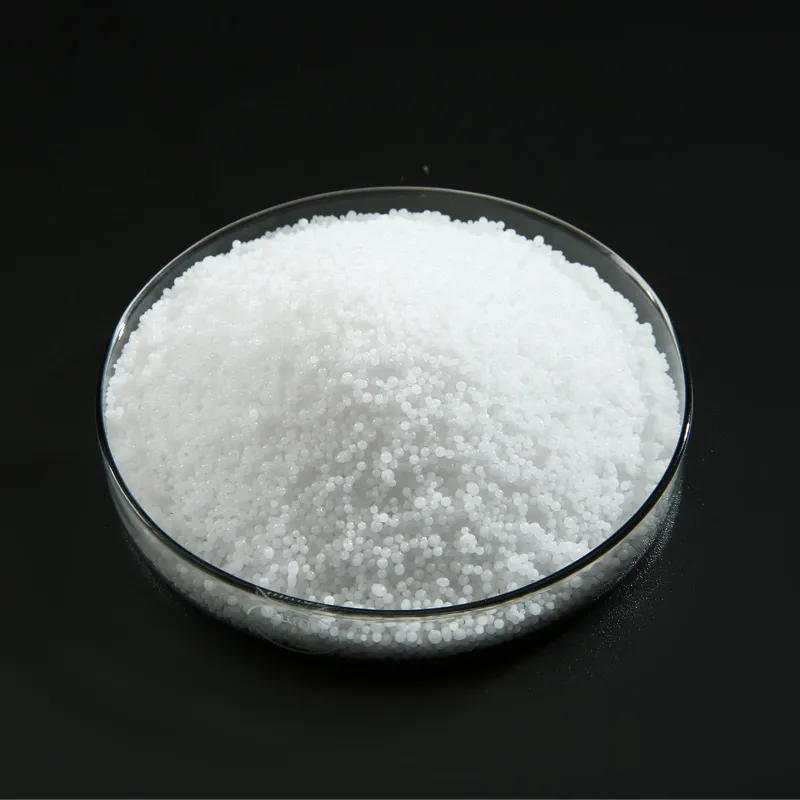
Caustic Soda Pearls - China
SOURCE LINK :https://www.iso.org/standard/62085.html
Found this useful?