Chemical Sustainability Trends 2026: How Green Regulations Are Changing Global Sourcing
Chemical sustainability is moving from a corporate responsibility issue into a practical sourcing requirement for global buyers. In 2026, regulations covering chemicals, carbon emissions, packaging, hazardous substances and sustainable product design are influencing how manufacturers qualify suppliers and evaluate imported materials.
The shift is particularly visible in Europe, where REACH restrictions, the revised Safe and Sustainable by Design framework and the Carbon Border Adjustment Mechanism are changing the information companies need from their supply chains. The EU's CBAM definitive regime began on January 1, 2026 for covered imports, while the Commission revised its REACH Restrictions Roadmap during the year.
For chemical traders, importers and procurement managers, sustainability now affects more than product selection. It can influence supplier qualification, documentation, production methods, logistics, landed costs and long-term market access.
Green Regulations Are Becoming a Procurement Factor
Chemical regulations increasingly address the environmental and health impacts associated with a substance throughout its lifecycle. REACH, for example, requires manufacturers and importers to manage chemical risks and provide safety information, while its authorisation and restriction mechanisms can encourage substitution toward safer substances or technologies.
This creates a direct connection between regulatory compliance and purchasing decisions. A supplier that can provide detailed substance information, regulatory documentation and evidence of responsible manufacturing can become easier to qualify for international markets.
The change also affects buyers that do not manufacture chemicals themselves. Importers can face additional documentation requirements when purchasing materials from overseas suppliers, particularly when products enter highly regulated markets.
Safe and Sustainable by Design Is Gaining Attention
The European Commission revised its Safe and Sustainable by Design, or SSbD, framework in March 2026. The voluntary framework encourages companies and innovators to consider safety and sustainability throughout the lifecycle of chemicals and materials, from sourcing and production through use and end of life.
The framework does not replace mandatory chemical legislation. Instead, it provides a way for companies to incorporate sustainability considerations earlier in product and material development.
For procurement teams, this creates a new question when evaluating suppliers: can the material meet today's specification while also supporting future sustainability requirements?
That question is particularly relevant for manufacturers developing products with long commercial lifecycles.
Carbon Requirements Are Entering International Trade
Carbon emissions are becoming increasingly connected to international trade. The EU's CBAM definitive regime began in 2026 and currently covers selected imports including cement, iron and steel, aluminium, fertilisers, electricity and hydrogen.
For buyers dealing with covered products, embedded emissions can become part of the import process. Importers need information about emissions generated during production and may need to account for the corresponding carbon cost through the CBAM system.
This creates a new sourcing consideration for producers outside the EU. A supplier's manufacturing footprint can increasingly affect the commercial attractiveness of an exported product when carbon-related costs enter the landed-cost calculation.
Procurement teams should therefore consider:
Energy sources used at the manufacturing site.
Production-related greenhouse gas emissions.
Availability of emissions data.
Existing carbon pricing in the country of production.
Documentation supporting reported emissions.
Potential future expansion of carbon-related requirements.
Chemical Supply Chains Are Becoming More Transparent
Sustainability requirements depend heavily on supply-chain information. Buyers need to understand not only what chemical they are purchasing but also where it comes from, how it was produced and what regulatory obligations apply to it.
This is particularly important when a chemical passes through several intermediaries before reaching the final manufacturer. Missing information at one stage can make it difficult for the final buyer to demonstrate compliance.
Supplier transparency can include:
Raw material origin.
Manufacturing location.
Production process information.
Energy and emissions data.
Substance composition.
Certifications and compliance declarations.
Waste management practices.
Packaging materials.
Product lifecycle information.
Traceability is increasingly becoming part of supplier qualification, rather than a separate sustainability exercise.
PFAS and Other Hazardous Substances Are Driving Substitution
Restrictions on substances of concern are another major sustainability trend affecting chemical sourcing. The EU's REACH Restrictions Roadmap continues to include major initiatives involving PFAS, hexavalent chromium and other substances identified for regulatory action.
The regulatory direction can encourage manufacturers to assess alternative materials before restrictions become fully applicable. For buyers, this means substitution planning can reduce the risk of having to replace a critical ingredient under time pressure.
The PFAS example also shows why sustainability and product performance need to be evaluated together. Some PFAS provide properties that are difficult to replicate, so buyers may need to test alternative chemistries or technologies rather than simply replacing one substance with another.
A supplier's ability to support substitution research can therefore become an important commercial advantage.
Packaging Sustainability Is Affecting Chemical Trade
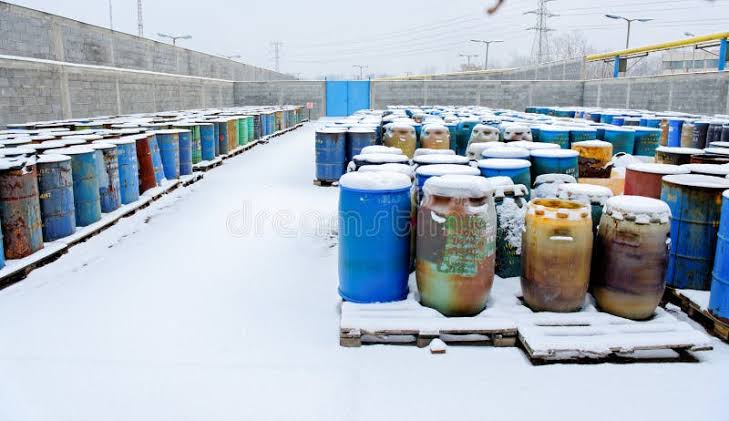
Packaging has become another area where sustainability requirements are influencing supply chains. The EU Packaging and Packaging Waste Regulation began applying on August 12, 2026, creating a harmonised framework covering packaging and packaging waste across the EU.
The regulation also introduced restrictions on PFAS in food-contact packaging above specified limits. This connects chemical sourcing with packaging compliance because suppliers and manufacturers need to understand what substances enter packaging materials and how those materials are used.
For chemical exporters, packaging itself can become part of the sustainability discussion. Buyers may increasingly ask suppliers about container materials, recyclability, packaging reduction and compliance with destination-market requirements.
Sustainable Sourcing Does Not Always Mean the Lowest Chemical Price
A shift toward sustainable sourcing can change how buyers calculate procurement costs. A chemical with a lower purchase price may require additional compliance work, testing, documentation or substitution investment.
A supplier using cleaner production methods may also have a different cost structure from a producer relying on more carbon-intensive energy or less expensive production inputs.
Procurement teams should therefore compare total sourcing cost, including:
Product price.
Freight and logistics.
Regulatory compliance.
Testing and certification.
Carbon-related costs where applicable.
Packaging requirements.
Inventory requirements.
Supplier qualification expenses.
Potential substitution costs.
This broader approach can provide a more useful comparison between suppliers than a simple quotation review.
Chemical Producers Are Responding Through Cleaner Manufacturing
Manufacturers are increasingly looking at production efficiency, energy consumption, waste reduction and alternative feedstocks as part of their sustainability strategies. The shift can create new opportunities for suppliers that can deliver chemicals with improved environmental profiles.
Examples include lower-energy manufacturing processes, renewable electricity, recycled feedstocks, bio-based raw materials and improved waste recovery. The commercial relevance of each option depends on the product, application and destination market.
For buyers, sustainability claims should be connected to measurable product or production information. A broad statement about being "green" provides less procurement value than specific information about manufacturing inputs, emissions, recycled content or lifecycle performance.
Global Buyers Are Looking Beyond Single-Country Sourcing
Sustainability requirements are also encouraging buyers to rethink supplier geography. A procurement team may need to compare suppliers based not only on price and production capacity but also on energy sources, environmental regulations and the availability of sustainability data.
This can create opportunities for suppliers in markets investing in cleaner manufacturing and transparent reporting. It can also increase pressure on producers whose customers require detailed environmental information.
Country-of-origin analysis may therefore evolve from a simple cost comparison into a broader assessment of cost, compliance, carbon intensity and supply resilience.
For importers, maintaining qualified suppliers across different regions can also provide flexibility when regulations or sustainability requirements change.
What Procurement Teams Should Ask Chemical Suppliers
Sustainability qualification works best when buyers ask specific questions rather than relying on general environmental claims.
Before approving a supplier, procurement teams can request:
Regulatory documentation: Does the product comply with the destination market's applicable chemical requirements?
Substance information: Does the formulation contain substances subject to current or upcoming restrictions?
Production data: Can the supplier provide relevant information about manufacturing processes and energy use?
Emissions data: Can the supplier support carbon or lifecycle assessments where required?
Alternative options: Can the supplier offer a lower-impact or regulation-ready alternative?
Packaging: Can packaging requirements be adapted to meet destination-market rules?
Traceability: Can the supplier identify the manufacturing location and key raw material sources?
Change management: Will the supplier notify buyers about changes to composition or production?
These questions can make sustainability part of standard supplier qualification rather than an additional process handled after purchasing decisions have already been made.
Sustainability Could Reshape Chemical Supplier Competition
The competitive landscape is changing as environmental requirements become embedded in international sourcing. Suppliers that can combine competitive pricing with strong documentation, regulatory readiness and sustainability data may find it easier to serve customers with demanding compliance requirements.
The shift also creates opportunities for chemical traders. Suppliers can differentiate themselves by providing transparent product information, alternative materials and sourcing options that help buyers manage regulatory changes.
At the same time, buyers need to avoid evaluating sustainability only through marketing claims. Product-level documentation, supplier data and applicable regulations provide a stronger foundation for purchasing decisions.
Looking Ahead to 2027
Chemical sustainability trends in 2026 point toward a sourcing environment where environmental performance and regulatory readiness increasingly influence commercial decisions. The EU's SSbD framework, REACH restrictions, CBAM and packaging requirements demonstrate how sustainability considerations are becoming connected to product design, manufacturing and international trade.
For procurement teams, the practical response is to start collecting better supplier information now. Companies that understand their chemical inputs, regulatory exposure, emissions data and alternative supply options will have more flexibility as requirements evolve.
The next stage of chemical sourcing will not simply focus on finding the cheapest available material. Buyers will increasingly need suppliers that can combine competitive economics, reliable supply, regulatory compliance and credible sustainability information.

Fumed Silica
Found this useful?