The Fertilizer Crisis Within the Crisis: Ammonia Disruption and Global Food Security Implications
The 2026 Hormuz disruption triggered a severe secondary crisis that extended far beyond the petrochemical sector. Global ammonia supply for agricultural fertilizer use declined by approximately 18 percent during the peak disruption months of April and May. This critical shortage directly coincided with the Northern Hemisphere spring planting season. The resulting fertilizer availability crisis exposed a profound vulnerability in global food security infrastructure. Procurement managers and agrochemical strategists must now confront the reality that current supply chains lack resilience. The market dynamics shifted violently as buyers scrambled to secure essential nitrogen inputs for the 2026 crop year. This event proves that inventory buffering alone cannot solve systemic geographic concentration risks in the global fertilizer trade. Agricultural buyers faced immediate financial and operational pressure.
The Mechanics of the Fertilizer Availability Crisis
The sudden contraction in ammonia availability created immediate downstream panic across global markets. Urea prices spiked dramatically to $692 per tonne CFR Brazil. This represented a massive increase from the pre-crisis baseline of $340 per tonne.
Agricultural buyers faced impossible choices between paying exorbitant premiums or risking severe crop yield reductions. The financial strain on farming operations threatened global food production stability.
India responded to the shortage by issuing three emergency ammonia import tenders. This reactive measure deviated sharply from their normal annual contracting procedures. Such emergency actions highlight the extreme fragility of just-in-time agricultural procurement models.
Regional distributors struggled to fulfill existing contracts with local farming cooperatives. The lack of available tonnage forced many buyers into the volatile spot market. This environment favored well-capitalized traders while marginalizing smaller agricultural operations.
The 8.4 Million Hectare Yield Deficit
The physical shortage of nitrogen fertilizers translated directly into measurable agricultural deficits. An estimated 8.4 million hectares globally received below-optimal nitrogen fertilization for the 2026 crop year.
This widespread under-application will inevitably impact global grain harvests and food prices. Farmers could not simply substitute missing ammonia with alternative nutrient sources. The agronomic requirements for staple crops demand precise nitrogen timing and specific volume applications.
The economic ripple effects of this yield deficit will persist for multiple years. Food security planners must now account for these systemic supply chain failures in their long-term forecasting models.
Governments may need to intervene with emergency subsidies to support affected farming communities. The agricultural sector cannot absorb these input cost shocks without external financial assistance. This reality demands a proactive approach to fertilizer procurement planning.
Geographic Concentration and the 67 Percent Vulnerability
The root cause of this crisis lies in extreme geographic concentration of production assets. Approximately 67 percent of globally traded ammonia originates from natural gas-dependent production facilities.
These critical facilities are located in regions accessible only via the Strait of Hormuz or the Russia and Black Sea corridor. The Black Sea route has faced severe geopolitical disruptions since 2022.
The Hormuz closure effectively severed the second major artery of global ammonia trade. This simultaneous disruption of two primary supply corridors created an unprecedented market vacuum.
Alternative production hubs in North America and Africa lack the immediate capacity to fill this gap. Shipping logistics from these regions require entirely different infrastructure and longer transit times. The global market simply does not possess the spare capacity to absorb a dual-corridor failure.
Furthermore, natural gas pricing volatility in Europe continues to suppress local ammonia production. European crackers remain economically unviable compared to Middle Eastern or North American facilities. This regional production deficit forces European buyers to compete aggressively for limited global tonnage.
The Failure of Inventory Buffering Strategies
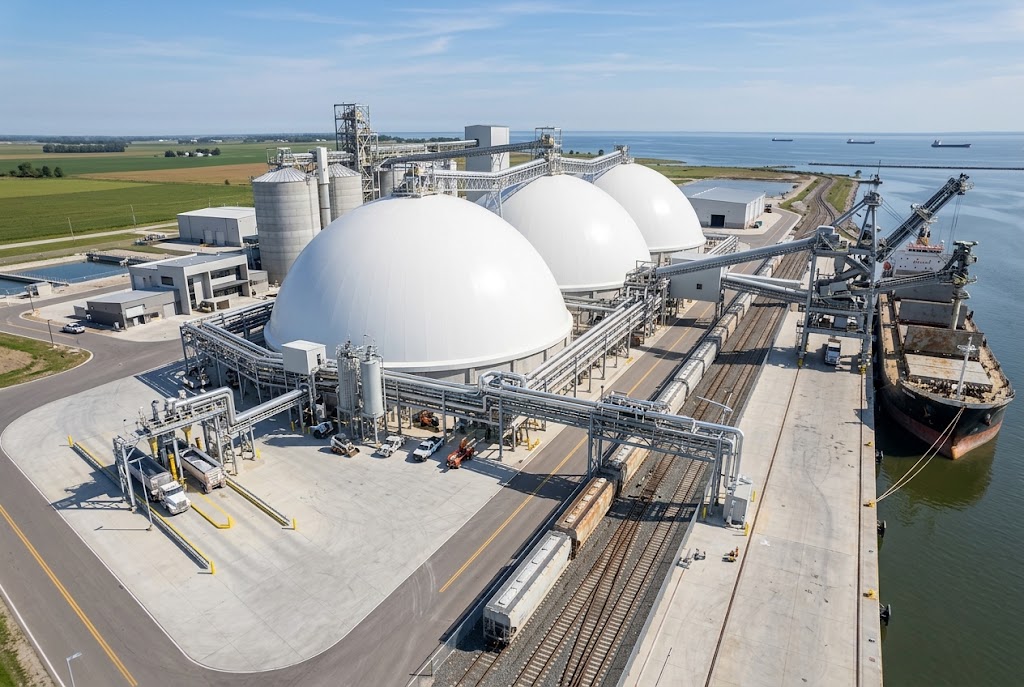
Many industry experts initially assumed that strategic stockpiles would absorb the initial shock. The 18 percent supply decline quickly exhausted these localized reserves within weeks. Inventory buffering proved entirely insufficient against a prolonged macroeconomic disruption.
Agricultural supply chains operate on thin margins and highly limited storage capacity. Farmers and regional distributors cannot hold months of excess fertilizer inventory. The physical space and capital requirements make deep stockpiling economically unviable for most operations.
This reality forces a fundamental rethink of global fertilizer logistics and risk management. Relying on temporary buffers ignores the structural flaws in the current trade architecture. True resilience requires a complete redesign of global sourcing pathways.
Chemical traders must also recognize that holding physical inventory carries significant financial risk. Price volatility can rapidly erode the value of stored commodities. This dynamic further discourages the private sector from maintaining large strategic reserves.
The Imperative for Geographic Supply Chain Diversification
Agrochemical strategists must prioritize fundamental supply chain geographic diversification immediately. The current architecture offers no resilient pathway if both Middle East and Black Sea sources face simultaneous extended disruption.
Buyers must actively develop alternative sourcing relationships in regions with independent feedstock access. North American and South American ammonia producers offer viable alternatives to traditional Eurasian supply chains.
Establish long-term offtake agreements with non-Hormuz dependent producers. This strategy guarantees volume allocation during future regional geopolitical crises.
Invest in domestic or near-shore fertilizer production capabilities. Localized manufacturing significantly reduces exposure to international shipping chokepoints and maritime insurance spikes.
Diversify feedstock procurement to include renewable ammonia projects. Emerging green ammonia facilities provide an additional layer of supply chain independence and regulatory compliance.
These strategic shifts require significant upfront capital and dedicated relationship building. However, the cost of inaction far outweighs the investment required to secure reliable supply channels. Procurement teams must view diversification as a core operational mandate rather than an optional sustainability initiative.
Strategic Planning for Future Agricultural Cycles
Food security planners cannot afford to treat the 2026 shortage as an isolated anomaly. The convergence of geopolitical tension and seasonal agricultural demand will only intensify in the coming decade.
Procurement teams must integrate detailed geopolitical risk assessments directly into their annual buying strategies. Contracts should include explicit clauses addressing alternative routing and emergency supply guarantees.
Collaboration between chemical traders and agricultural end-users is now mandatory for market stability. Shared visibility into global ammonia production schedules prevents sudden market shocks and panic buying.
This transparency allows for proactive adjustments rather than reactive emergency tenders. Buyers who secure early visibility into producer maintenance schedules gain a distinct competitive advantage.
Regulatory bodies may also mandate higher transparency standards for fertilizer supply chains. Companies that proactively adopt these standards will navigate future compliance requirements with ease.
The Bottom Line for Agrochemical Procurement Teams
The fertilizer crisis within the Hormuz disruption serves as a stark warning for the entire industry. Global ammonia supply chains are dangerously overconcentrated and highly vulnerable to regional conflicts.
Inventory buffering is no longer an acceptable risk management strategy for agricultural inputs. Agrochemical buyers must execute aggressive geographic diversification to protect future crop yields and global food security.
The financial cost of inaction far exceeds the investment required to build resilient supply networks. Procurement leaders must champion this structural shift immediately.
Ready to source Ammonia Anhydrous from verified global suppliers? Explore competitive offers on our platform today.
Sources
https://www.fao.org/markets-and-trade/2026/global-ammonia-supply-disruption-report
https://www.reuters.com/business/energy/2026/india-emergency-ammonia-import-tenders
https://www.icis.com/explore/resources/news/2026/urea-price-spike-cfr-brazil-fertilizer-crisis
https://www.agri-pulse.com/articles/2026/nitrogen-fertilization-deficit-crop-yield-impact
Ammonia Anhydrous
Found this useful?