Chemical Warehousing Costs: Managing Storage and Handling Expenses
Understanding Chemical Warehousing Costs
Chemical warehousing plays an important role in the industrial supply chain by ensuring that raw materials, intermediate products and finished chemicals are stored safely before distribution or further processing. However, maintaining a chemical warehouse involves several operational expenses that can significantly influence overall supply chain costs.
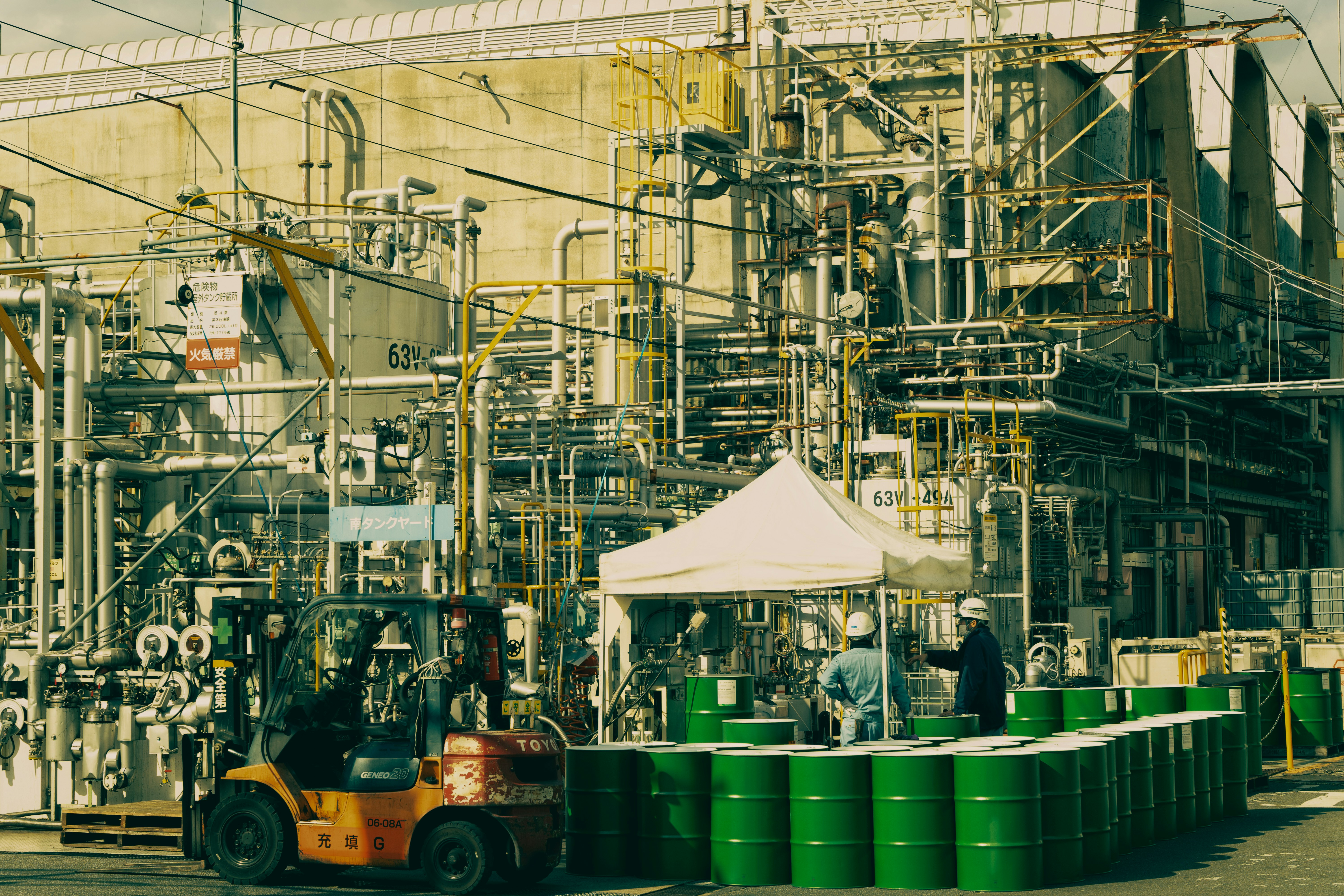
Unlike conventional warehouses, chemical storage facilities often require specialized infrastructure, temperature-controlled environments, ventilation systems, fire protection equipment and appropriate handling procedures. These additional requirements increase investment and operating expenses.
Chemical warehousing costs depend on several factors, including the type of chemicals stored, storage duration, warehouse location, handling requirements and regulatory obligations. Understanding these cost components allows manufacturers, distributors and chemical suppliers to identify savings opportunities without compromising product quality or workplace safety.
Major Factors Affecting Chemical Warehousing Costs
1. Warehouse Space and Storage Infrastructure
Warehouse rental or ownership is one of the primary expenses associated with chemical storage. Facilities handling hazardous, flammable, corrosive or temperature-sensitive substances may require specially designed storage areas.
These facilities can involve additional construction and maintenance expenses, including:
Chemical-resistant flooring and storage surfaces.
Dedicated storage areas for incompatible substances.
Fire detection and suppression systems.
Ventilation and temperature-control equipment.
Secondary containment systems to manage leaks and spills.
Restricted-access storage areas and security systems.
Businesses storing large quantities of chemicals may also need additional space to maintain safe separation between different hazard categories.
2. Material Handling and Equipment Expenses
Handling costs include the labor and equipment required to receive, move, organize, inspect and dispatch chemical products.
Common equipment expenses include forklifts, pallet trucks, lifting systems, drums, chemical pumps and specialized transfer equipment. Certain chemicals require dedicated equipment to prevent contamination, leakage or accidental reactions.
Additional expenses may arise from equipment maintenance, employee training, protective clothing and routine safety inspections.
Efficient material handling procedures can reduce unnecessary movement, minimize product damage and improve warehouse productivity.
3. Safety and Regulatory Compliance
Chemical warehouses must follow applicable safety, environmental and transportation requirements. Compliance expenses can include employee training, safety inspections, emergency preparedness, documentation and specialized storage infrastructure.
Facilities handling hazardous chemicals may also require appropriate labeling, accessible Safety Data Sheets (SDS), spill-control equipment and secondary containment.
For example, the US Occupational Safety and Health Administration (OSHA) highlights the importance of proper chemical storage, hazard communication, fire protection and spill prevention in chemical warehousing operations.
Although compliance requires investment, inadequate safety measures can result in accidents, operational interruptions, environmental damage and significant financial penalties.
4. Inventory Management and Storage Duration
The length of time chemicals remain in storage directly affects warehousing expenses. Products that stay in warehouses for extended periods occupy valuable space and increase inventory carrying costs.
These costs may include:
Storage charges and warehouse rent.
Insurance and inventory financing.
Product inspection and quality monitoring.
Temperature and environmental control.
Expiration-related losses and product deterioration.
Poor inventory management can also lead to overstocking, unused materials and unnecessary storage requirements.
Businesses can reduce these expenses by improving demand forecasting, monitoring inventory levels and applying appropriate stock rotation practices.
5. Labor and Operational Expenses
Labor represents another important component of chemical warehousing costs. Employees are required for receiving shipments, checking documentation, inspecting containers, managing inventory, preparing orders and coordinating dispatch operations.
Chemical handling may require additional training and protective equipment depending on the substances involved.
Warehouses operating multiple shifts or handling large shipment volumes may also face higher staffing and administrative expenses.
Strategies for Reducing Chemical Warehousing Costs
Optimize Warehouse Space Utilization
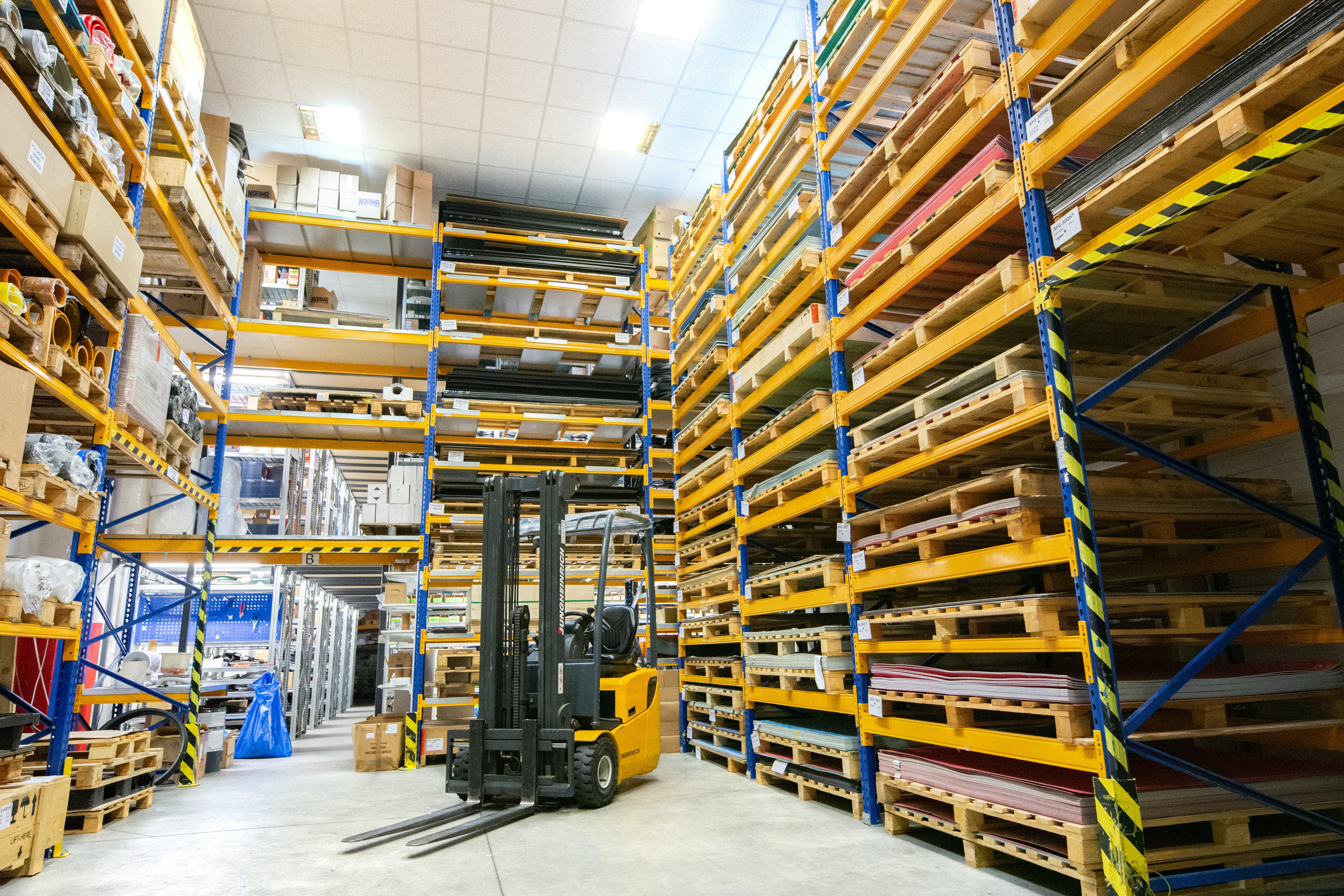
Effective space planning helps businesses maximize available storage capacity while maintaining safe operating conditions. Organizing products according to their chemical properties, storage requirements and movement frequency can improve warehouse efficiency.
Businesses should regularly evaluate unused storage areas, aisle arrangements and inventory locations. However, space optimization must never compromise required safety distances, ventilation or chemical segregation.
Improve Inventory Planning and Stock Rotation
Accurate inventory management helps prevent unnecessary stock accumulation and reduces long-term storage expenses.
Companies can implement inventory management systems to monitor stock quantities, track product movement and identify slow-moving materials.
First-In, First-Out (FIFO) and First-Expired, First-Out (FEFO) practices can also help manage product rotation where appropriate for the chemical's stability and shelf-life requirements.
Invest in Warehouse Management Technology
Warehouse Management Systems (WMS) can improve inventory visibility, automate routine activities and support more accurate warehouse planning.
Digital inventory records help businesses monitor incoming and outgoing shipments, identify available storage capacity and track product locations.
Automation can also reduce manual errors, improve order preparation and provide better control over warehouse operations.
Improve Handling and Transportation Coordination
Poor coordination between receiving, storage and dispatch operations can increase labor costs and equipment usage.
Businesses should coordinate delivery schedules, organize loading and unloading activities and reduce unnecessary movement within storage facilities.
Properly planned handling operations can improve turnaround times and reduce the risk of damaged containers and product losses.
Conduct Regular Cost and Safety Audits
Regular warehouse audits help identify operational inefficiencies, unnecessary expenses and potential safety concerns.
Companies should review storage utilization, equipment maintenance, energy consumption, labor productivity and inventory accuracy.
Safety audits should also examine chemical compatibility, container conditions, emergency procedures and compliance documentation.
The Role of Chemical Warehousing in Supply Chain Efficiency
Chemical warehousing costs influence more than warehouse operating budgets. They also affect product pricing, procurement decisions, distribution schedules and overall supply chain performance.
Efficient storage operations help chemical manufacturers and distributors maintain reliable product availability while minimizing unnecessary inventory and handling expenses.
Strategic warehouse management also improves coordination between suppliers, logistics providers and industrial buyers. Businesses that maintain accurate inventory records and optimize storage operations can respond more effectively to changing demand and supply chain disruptions.
Additionally, selecting the right warehousing partner can help companies avoid significant infrastructure investments. Third-party chemical logistics providers may offer specialized storage facilities, trained personnel and established safety management systems.
Key Considerations When Selecting a Chemical Warehousing Provider
Choosing a suitable chemical warehousing provider requires evaluating more than the quoted storage rate. Businesses should consider the provider's infrastructure, operational capabilities and ability to handle specific chemical categories.
Important factors include:
Storage capabilities: Availability of suitable facilities for hazardous, non-hazardous and temperature-sensitive chemicals.
Safety standards: Appropriate fire protection, ventilation, spill management and chemical segregation procedures.
Handling expertise: Trained personnel and suitable equipment for receiving, storing and dispatching chemicals.
Inventory visibility: Digital tracking systems and accurate stock reporting.
Location and accessibility: Proximity to suppliers, manufacturing facilities, ports and distribution networks.
Cost transparency: Clear pricing for storage, handling, documentation, additional services and other operational charges.
Comparing these factors helps businesses select warehousing solutions that balance operational efficiency, product safety and overall cost.
Future Trends in Chemical Warehousing Cost Management
The chemical warehousing sector is increasingly adopting digital technologies and sustainable operational practices to improve cost efficiency.
Automation, real-time inventory monitoring and data-driven warehouse planning are helping businesses improve storage utilization and reduce unnecessary handling activities.
Energy-efficient lighting, improved insulation and optimized temperature-control systems can also help reduce utility expenses, particularly in facilities handling temperature-sensitive products.
Furthermore, growing attention to environmental responsibility is encouraging chemical logistics companies to improve waste management, reduce material losses and adopt more efficient resource utilization practices.
As supply chains become more complex, businesses that combine effective inventory planning, appropriate storage infrastructure and digital warehouse management will be better positioned to control operating expenses.
Source links
OSHA – Warehousing Hazards and Solutions – Chemical storage, safety and warehouse management.
OSHA – Flammable Liquids Storage Regulations – Storage infrastructure and handling requirements.
US EPA – Hazardous Chemical Storage Recommendations – Chemical segregation and storage compatibility.
NIH – Chemical Storage Cabinets and Safety Guidance – Secondary containment and storage practices.
US Government – Hazardous Waste Container Management – Container compatibility and storage inspections.

Acrylic Acid (99.5%) - China
Found this useful?