China's Chemical Production Capacity, Exports and Global Trade Opportunities
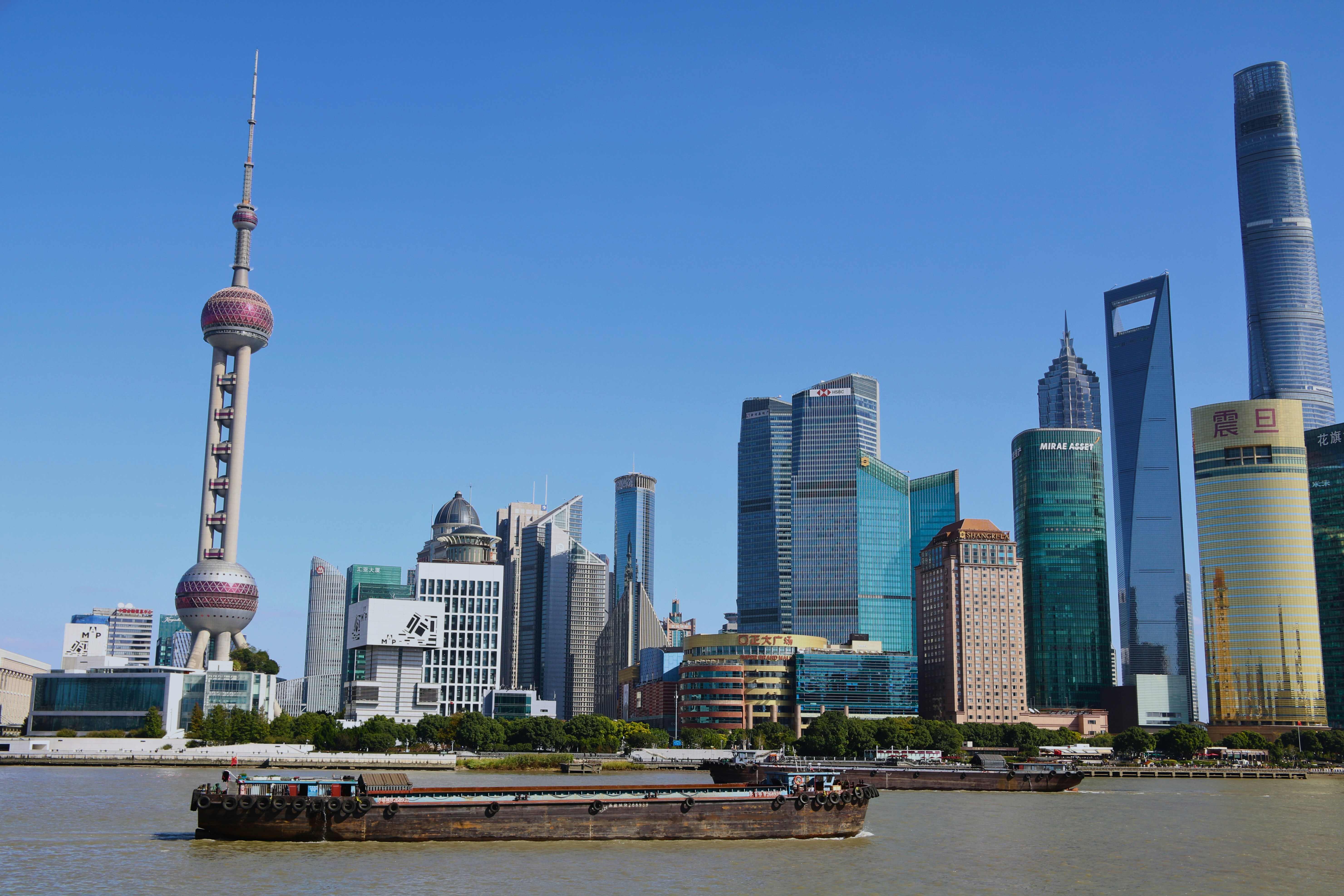
China has become one of the most influential forces in the global chemical industry. Its large manufacturing base, integrated petrochemical facilities, extensive industrial parks and competitive production costs have strengthened its position across basic chemicals, polymers, fertilizers, specialty materials and industrial intermediates.
The country's chemical sector is also undergoing a significant transition. Years of investment have expanded production capacity and reduced dependence on imported materials in several product categories. However, the rapid expansion has created oversupply in parts of the market, putting pressure on selling prices, capacity utilisation and manufacturers' profitability.
In 2026, China's chemical industry presents a mixed outlook. Commodity producers face intense competition and weaker margins, while demand for advanced materials, electronic chemicals and high-performance products creates opportunities for companies that can deliver specialised technology and consistent quality.
China's Position in the Global Chemical Industry
China's chemical industry is central to international manufacturing supply chains. According to the European Chemical Industry Council (Cefic), China accounted for approximately 46% of global chemical sales in 2025.
Its influence extends across several major product categories:
Basic chemicals: Methanol, caustic soda, sulphuric acid, ammonia and other industrial raw materials.
Petrochemicals: Ethylene, propylene, benzene and their derivatives.
Polymers and plastics: Polyethylene, polypropylene, PVC and engineering plastics.
Specialty chemicals: Coatings, adhesives, additives, electronic chemicals and performance materials.
Agricultural chemicals: Fertilizers, pesticides and crop-protection ingredients.
Battery and advanced materials: Materials used in electric vehicles, energy storage and renewable energy technologies.
The scale of China's manufacturing ecosystem gives domestic producers access to large downstream customer markets. It also enables companies to supply international buyers across Asia, Europe, Africa, the Middle East and the Americas.
Production Capacity: Expansion Meets Market Pressure
China has invested heavily in chemical and petrochemical production over the past decade. New integrated complexes, refinery upgrades and downstream manufacturing facilities have increased domestic availability of many important chemical products.
Ethylene provides a clear example of this expansion. According to industry research from Krungsri, China's ethylene production capacity increased from approximately 40 million tonnes per year in 2021 to 66 million tonnes per year in 2025. The same research projects capacity could reach 90 million tonnes per year by 2030.
This expansion supports China's objective of strengthening domestic supply and reducing reliance on imported petrochemical materials.
However, production capacity does not automatically translate into profitable output. When new plants enter the market faster than demand grows, producers may face lower operating rates, price competition and excess inventories.
China's National Bureau of Statistics reported that capacity utilisation in the manufacture of raw chemical materials and chemical products was 69.7% in the third quarter of 2026, down 2.8 percentage points year on year. This illustrates the pressure facing parts of the manufacturing sector.
Government Focus on Industrial Upgrading
China's policy direction is gradually shifting from unrestricted capacity expansion towards industrial efficiency, modernisation and higher-value production.
The government's 2025–2026 petrochemical and chemical industry growth plan targets average annual growth of more than 5% in industrial value added. It also identifies advanced materials, electronic chemicals, high-end polyolefins and specialised products as important development areas.
Another priority is improving older production facilities. Modernisation, stricter environmental requirements and safety standards are expected to influence where new chemical projects are developed and which existing plants continue operating.
China's Chemical Exports and International Trade
China's large production base has made it an important supplier of chemicals to international markets. Export activity covers both basic industrial inputs and increasingly sophisticated chemical materials.
Chinese manufacturers benefit from large-scale production, established logistics networks and proximity to major Asian manufacturing markets. These advantages support exports to countries that depend on imported raw materials for plastics, textiles, construction, electronics, automotive manufacturing and other industries.
Key Export Product Categories
Product category | International demand and applications |
|---|---|
Petrochemicals | Plastics, packaging and industrial manufacturing |
Polymers and resins | Automotive components, construction and consumer goods |
Fertilizers | Agriculture and food production |
Industrial chemicals | Water treatment, metal processing and manufacturing |
Specialty chemicals | Coatings, adhesives, electronics and personal care |
Battery materials | Electric vehicles and energy storage |
Exports are not growing uniformly across every product category. Oversupply in certain commodity markets can encourage Chinese producers to seek overseas customers, while trade restrictions and anti-dumping investigations can make some destinations more difficult to access.
Atradius expects China's chemical production growth to slow to around 1.6% in 2026 following strong increases in 2024 and 2025. It also notes that exports remain robust, particularly to Southeast Asia and South Korea.
This suggests that international demand and export competitiveness will remain important factors shaping the industry's performance.
Global Trade Opportunities for Chemical Buyers
China's chemical industry offers several opportunities for international buyers, distributors, manufacturers and procurement companies.
1. Competitive Sourcing of Industrial Chemicals
Buyers can explore Chinese suppliers for commonly traded industrial chemicals, including solvents, acids, alkalis, intermediates and other manufacturing inputs.
Large-scale production can create competitive purchasing opportunities, particularly when buyers require regular volumes. However, procurement decisions should consider product specifications, consistency, freight costs and supplier reliability rather than relying on price alone.
2. Polymers and Plastic Raw Materials
China's extensive petrochemical and polymer production capacity makes it an important sourcing market for polyethylene, polypropylene, PVC, engineering plastics and related materials.
These products serve packaging, automotive, electronics, construction and consumer-goods manufacturers. Buyers can benefit from comparing grades, technical specifications and delivery terms across multiple suppliers.
3. Specialty and Performance Chemicals
Advanced materials represent an important area of potential growth. Demand is developing for high-performance coatings, electronic chemicals, specialty polymers, adhesives, additives and advanced fibres.
International companies with specialised technology may also find opportunities through licensing, joint ventures, technical partnerships and local manufacturing arrangements.
4. Battery and Renewable Energy Materials
China's position in electric vehicle and renewable energy supply chains creates opportunities in battery-related chemicals, functional materials and components used in energy storage.
Demand in these segments is linked to investment in electric mobility, batteries, solar technologies and related manufacturing infrastructure. Buyers should assess individual product markets carefully because supply conditions and pricing can change quickly.
5. Supplier Partnerships and Distribution
International distributors and procurement businesses can develop relationships with Chinese manufacturers to serve customers in their own regions.
Potential cooperation models include long-term supply agreements, exclusive distribution arrangements, contract manufacturing and joint product development.
For buyers, establishing direct relationships with qualified manufacturers can improve access to technical information, production planning and quality documentation.
Challenges Affecting China's Chemical Trade
Despite its scale, China's chemical industry faces several structural and commercial challenges.
Overcapacity and price competition: Rapid capacity additions in basic chemicals and petrochemicals have created supply pressure in several product markets. Producers may face lower margins when output exceeds domestic and international demand.
Trade barriers and tariffs: Anti-dumping measures, import duties and changing trade policies can affect the competitiveness of Chinese chemical exports. Buyers must check the trade rules applicable to each product and destination.
Environmental and safety compliance: Chemical production is subject to increasingly important environmental, operational and safety requirements. International buyers may also need supplier documentation covering product composition, handling, transport and regulatory compliance.
Feedstock and energy costs: Production economics depend on access to crude oil, natural gas, coal and other raw materials. Changes in energy prices and international shipping conditions can influence manufacturing costs and export prices.
Quality consistency: Buyers sourcing chemicals internationally should verify specifications, certificates of analysis, production standards and batch-to-batch consistency before entering long-term supply arrangements.
What International Buyers Should Consider
Businesses sourcing chemicals from China should follow a structured procurement process to manage commercial and technical risks.
Important considerations include:
Verify the manufacturer's business credentials and actual production capabilities.
Request technical data sheets (TDS) and safety data sheets (SDS).
Confirm purity, grade, concentration and other product specifications.
Review certificates of analysis for relevant batches.
Check applicable REACH, GHS, customs and destination-market requirements.
Compare minimum order quantities, payment terms and delivery schedules.
Evaluate shipping arrangements, packaging and hazardous-goods handling requirements.
Consider supplier audits or independent product inspections for critical materials.
A competitive quotation is valuable, but reliable supply, product quality and regulatory compliance are equally important for long-term procurement.
Future Outlook: From Production Scale to Higher-Value Chemicals
China's chemical industry is entering a period in which competitiveness will depend increasingly on efficiency, technology and product differentiation.
Basic chemicals and commodity petrochemicals are likely to remain exposed to oversupply and margin pressure in the near term. At the same time, demand for advanced materials, electronic chemicals, high-performance polymers and battery-related products provides opportunities for manufacturers capable of meeting specialised technical requirements.
For global buyers, China will remain an important sourcing destination, but procurement strategies will need to account for changing trade policies, supplier capabilities and product-specific market conditions.
The next phase of China's chemical industry will not be defined by production capacity alone. Its ability to move towards higher-value materials, improve operating efficiency and strengthen international market access will shape its role in global chemical trade.
https://www.stats.gov.cn/english/PressRelease/202610/t20261020_1965659.html?
https://www.china-briefing.com/news/chemical-industry-in-china-where-invest-2026/?
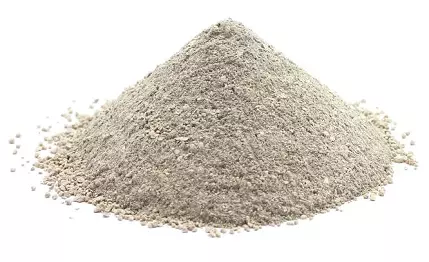
Bentonite
Found this useful?