China's Coal-to-Chemicals Acceleration: Environmental Setback or Strategic Necessity?
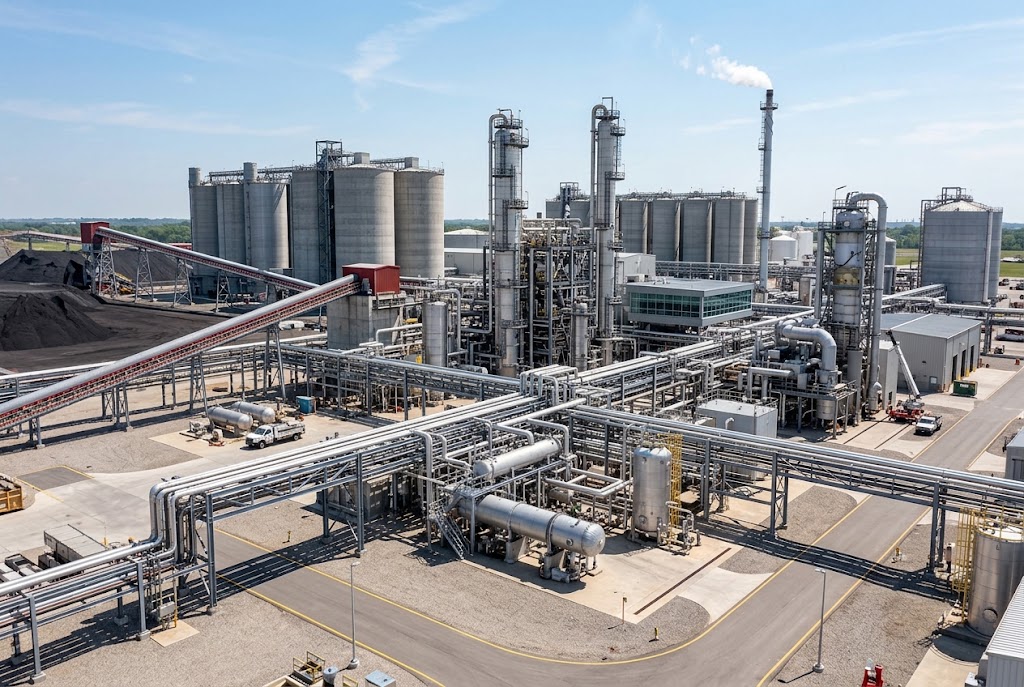
China approved and commissioned coal-to-chemicals capacity at an unprecedented pace during the first half of 2026. The 135-day Hormuz supply disruption forced a rapid strategic pivot to offset lost Middle East imports. Facilities brought online approximately 4.2 million tonnes of annual coal-based chemical production capacity between March and July. This massive expansion fundamentally alters the global supply landscape for essential feedstocks like methanol and ethylene. Procurement managers must recognize this shift as a permanent structural change rather than a temporary anomaly. The era of predictable decarbonization timelines in the Chinese chemical sector has temporarily paused. Buyers relying on historical environmental roadmaps will face unexpected supply chain realities. Companies must adapt their sourcing strategies to navigate this new operational environment. The market has fundamentally shifted.
Unprecedented Capacity Additions in 2026
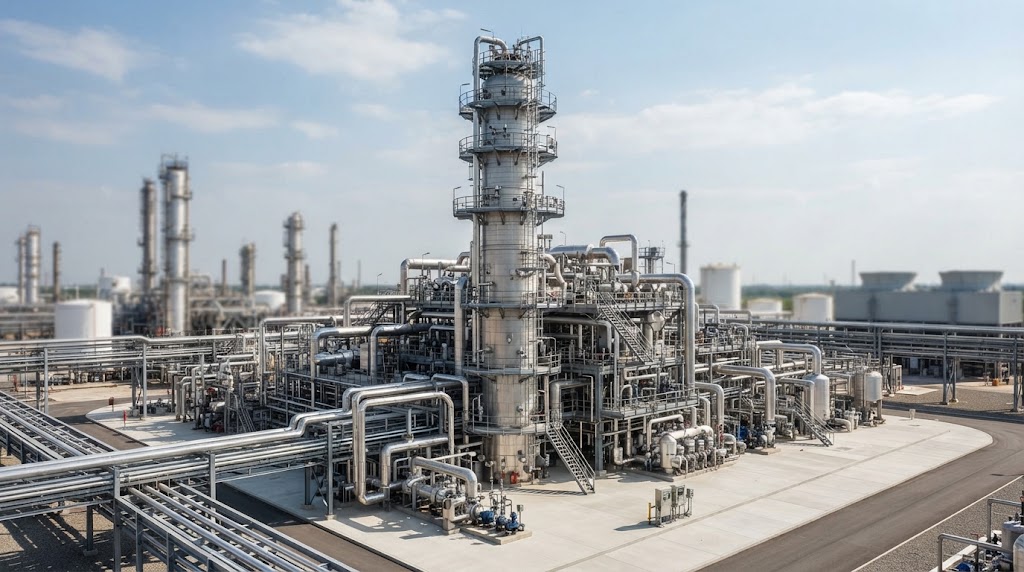
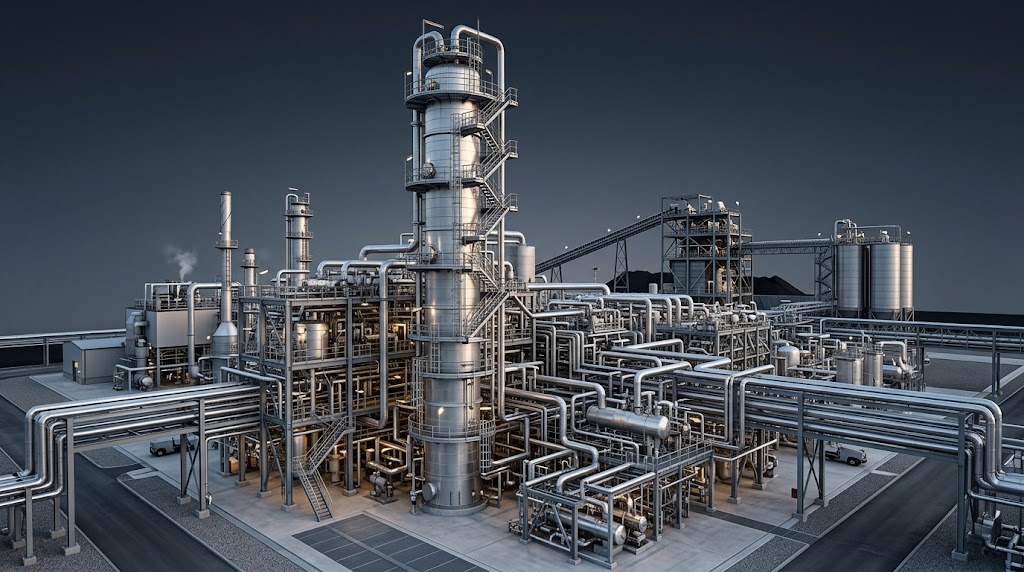
The 135-day capacity addition exceeds all coal-to-chemicals expansions in 2024 and 2025 combined. This aggressive buildout primarily targets methanol, ethylene and propylene production.
Chinese operators prioritized rapid deployment to secure domestic chemical supply chains. They bypassed traditional environmental review bottlenecks to accelerate commissioning schedules.
This speed demonstrates the absolute priority of supply security over environmental targets during a crisis. The sheer volume of new capacity guarantees a sustained presence in the global market. Buyers can expect consistent volume availability from these newly operational facilities.
Domestic engineering firms worked around the clock to finalize construction permits. This coordinated effort highlights the strategic importance the state places on chemical self-sufficiency. The rapid execution proves that regulatory hurdles can be removed when national security is at stake.
The Strategic Shift to Energy Security Infrastructure
The Chinese government has formalized this operational reality through regulatory reclassification. The National Development and Reform Commission issued statements in August 2026 classifying coal-to-chemicals as energy security infrastructure.
This designation grants these facilities exemptions from certain carbon intensity reduction mandates. The state explicitly recognizes the critical role of domestic coal reserves in stabilizing chemical production.
This policy shift protects strategic assets from premature closure or aggressive operational restrictions. It signals a long-term commitment to maintaining baseline chemical output regardless of global market volatility.
Regional authorities now align their local development goals with this national security mandate. They actively facilitate land acquisition and utility connections for approved coal-to-chemicals projects. This top-down support ensures these facilities remain operational even during broader economic downturns.
Bifurcated Regulatory Treatment and Carbon Pricing
This new classification creates a complex economic environment for chemical producers. Facilities receive security exemptions but remain subject to absolute carbon cap mechanisms.
This bifurcated regulatory treatment forces operators to optimize their economic models carefully. They must balance the benefits of operational continuity against rising carbon pricing liabilities.
The government maintains strict oversight on total emissions even while permitting capacity expansion. Producers will pass these carbon costs downstream to maintain profitability. Buyers must factor these escalating environmental costs into their long-term procurement budgets.
Advanced carbon capture technologies are becoming mandatory for new facility approvals. Operators are investing heavily in these systems to stay within their absolute emission caps. This technological requirement adds significant capital expenditure to the overall production cost structure.
Environmental Setback Versus Strategic Necessity
Industry analysts frequently debate whether this acceleration represents an environmental setback. The data clearly shows a regression from China's 2025 to 2030 chemical sector decarbonization pathway.
However, framing this solely as an environmental failure ignores the broader strategic context. The 135-day Hormuz crisis exposed the extreme vulnerability of relying on imported petrochemicals.
Domestic coal reserves provide a reliable and controllable feedstock alternative. The government views this temporary regression as a necessary trade-off for national economic stability.
This pragmatic approach prioritizes immediate industrial survival over long-term theoretical climate goals. Buyers must understand that this strategic necessity will dictate Chinese chemical policy for the foreseeable future.
Impact on Global Chemical Supply Chains
This accelerated capacity directly offsets the disruption of Middle Eastern chemical imports. Global buyers previously reliant on Gulf-origin methanol and polyolefins now have a viable alternative.
Chinese exporters are actively capturing market share in Europe and Southeast Asia. This shift reduces the geopolitical risk associated with single-region sourcing strategies.
However, it introduces new complexities regarding product specifications and environmental compliance. Importers must verify that these coal-derived chemicals meet their specific regional regulatory standards. Supply chain teams must update their vendor qualification processes to accommodate this new reality.
Logistics networks are also adapting to handle the increased export volume. New rail and port infrastructure projects are underway to streamline the movement of bulk chemicals. These improvements will further enhance the competitiveness of Chinese chemical exports in global markets.
Modeling 2027 China Chemical Strategy
Corporate planning teams must discard optimistic decarbonization phase-out models immediately. The 2027 China chemical strategy must model sustained coal-to-chemicals operation with rising carbon costs.
Assuming a rapid return to aggressive environmental restrictions will lead to severe procurement miscalculations. Financial models should incorporate steady volume availability paired with gradual price increases.
These price increases will reflect the mounting carbon pricing liabilities faced by Chinese producers. Buyers should secure long-term offtake agreements to lock in favorable pricing before these costs escalate further. Proactive contract negotiation protects margins in an increasingly complex regulatory landscape.
Procurement leaders must also monitor the evolution of China's national carbon trading market. Allowance prices will directly influence the final ex-works price of coal-based chemicals. Hedging strategies may become necessary to manage this specific commodity price risk.
What Buyers Should Do Now
Procurement professionals must take immediate action to adapt to this structural market shift. Teams should audit their current feedstock dependencies and identify opportunities to integrate Chinese coal-derived alternatives.
Securing verified alternative supply channels today prevents operational paralysis during future geopolitical disruptions.
Negotiate long-term contracts that explicitly address carbon pricing escalation clauses. This financial flexibility preserves cash flow during periods of regulatory transition.
Update compliance documentation to ensure coal-based imports meet all regional environmental standards. Accurate forecasting prevents unexpected customs delays or rejected shipments.
Establish clear communication channels with Chinese suppliers to monitor their carbon cost pass-through mechanisms. Proactive relationship management shields production lines from sudden pricing shocks.
These proactive steps will protect your organization from the next inevitable supply chain shock. Agility requires both strategic foresight and operational readiness. Buyers who embrace this new reality will secure a distinct competitive advantage in the global chemical market.
Ready to source Methanol from verified global suppliers? Explore competitive offers on our platform today.
Sources
https://www.ndrc.gov.cn/english/2026/coal-chemicals-energy-security-classification
https://www.reuters.com/business/energy/2026/china-coal-chemicals-capacity-additions
https://www.icis.com/explore/resources/news/2026/china-carbon-pricing-impact-chemical-production
https://www.chemicalweek.com/business/2026/china-chemical-export-logistics-expansion
Methanol
Found this useful?