China's Dominance in New Capacity Additions: 70% of Global Builds Through 2027
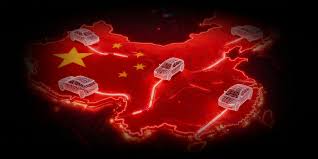
China is set to remain the dominant source of new chemical production capacity over the next several years. Industry estimates indicate that China could account for around 70% of global chemical capacity additions through 2027, supported by continued investment in large-scale petrochemical and chemical projects. This unprecedented concentration of new capacity is strengthening China's position as the world's primary source of incremental chemical supply and is reshaping competitive conditions across global markets.
Government Policy Supports Continued Expansion
China's capacity growth is closely connected to government industrial policy and long-term investment strategies. Support for domestic manufacturing, integrated refining and petrochemical complexes, and greater self-sufficiency in strategic materials has encouraged companies to continue investing in new facilities. Large, modern plants can also benefit from economies of scale and integration across refining, chemicals and downstream manufacturing, giving Chinese producers significant advantages in cost and production efficiency.
Global Oversupply Is Becoming a Bigger Concern
The scale of China's expansion is creating concerns about whether global demand can absorb the additional production. When capacity grows faster than consumption, producers face lower utilization rates, weaker margins and increased competition for customers. This is particularly important in commodity chemicals and petrochemicals, where products are relatively standardized and price competition is intense. China's growing output can therefore contribute to persistent oversupply even when demand continues to increase.
Pressure on European and Other Producers
China's capacity expansion is especially challenging for producers in Europe, Japan and other mature chemical markets. Many of these producers operate older facilities with higher energy and operating costs, while Chinese competitors are adding newer and larger plants. This difference is encouraging companies in mature markets to close uncompetitive assets, reduce capacity or shift toward specialty chemicals and higher-value products. The result is an increasingly uneven global industry, with production growth concentrated in China while capacity is being rationalized elsewhere.
Pricing and Trade Effects Could Last Beyond 2027
The consequences of China's capacity expansion extend beyond individual plant economics. Additional Chinese production can increase exports when domestic demand is insufficient to absorb supply, putting pressure on international prices and competing directly with producers in other regions. For buyers, this could create opportunities for competitive sourcing, but it can also increase exposure to trade restrictions, tariffs and geopolitical changes as governments respond to rising import competition.
A Key Indicator for the Global Chemical Market
The estimated 70% share of global new capacity additions through 2027 provides an important lens for understanding many of the chemical industry's current challenges. Persistent overcapacity, pricing pressure, plant closures and changing trade flows are all connected to the rapid expansion of supply in China. As new facilities continue to come online, chemical companies worldwide will need to monitor Chinese capacity utilization, export volumes and investment trends closely. The industry's next phase may increasingly depend on whether global demand can catch up with the enormous supply base being built in China.
Methanol
Found this useful?