China’s Export Quota Policy: A Key Variable for Global Refiners
China’s Export Quota Policy
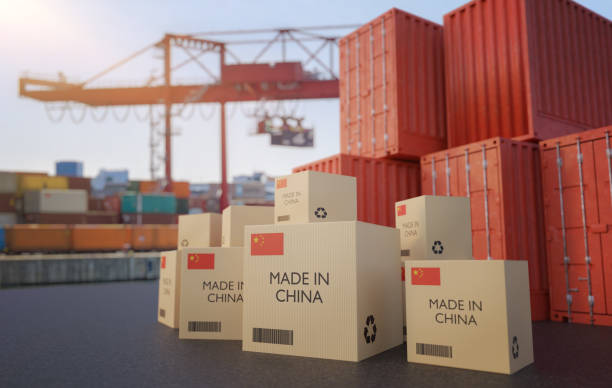
Since the 1990s China has imposed export quotas on crude oil and petroleum products to manage domestic supply, protect refining margins, and support strategic reserves. The policy is adjusted quarterly, often in response to global price swings, domestic demand shifts, and geopolitical events. Refiners worldwide watch the policy closely because China’s export decisions directly impact the availability and pricing of crude and refined products.
Impact on Refining Margins
Refining margins— the difference between the cost of crude and the sale price of refined products—are sensitive to crude supply levels. When China tightens export quotas, crude prices tend to rise, boosting potential margins for refineries that can secure the higher-priced feedstock. Conversely, quota relaxations can depress crude prices, squeezing margins. The effect is amplified for:
Mid‑stream operators that rely on stable feedstock prices for project financing.
Downstream marketers who need predictable input costs to price gasoline and diesel.
Integrated oil companies that balance upstream production with refining throughput.
Effect on Petroleum Exports
China’s export quotas also dictate the volume of refined products that leave the country. The country is a major exporter of gasoline, diesel, jet fuel, and liquefied petroleum gases (LPG). When quotas are tightened:
Export volumes of gasoline and diesel decline, leading to tighter supply in key markets such as Southeast Asia, Japan, and South Korea.
Price premiums appear in refined product markets as buyers compete for limited stock.
Refineries in the exporting regions may need to adjust product mix to compensate for lost volumes.
In contrast, quota relaxations can flood markets with Chinese exports, causing price dips and prompting refineries to re‑evaluate product yields.
Global Energy Market Dynamics
China’s export policy is a catalyst for broader energy market movements. Key dynamics include:
Price Volatility: Sudden quota changes can trigger rapid price swings in both crude and refined product markets.
Supply Chain Rebalancing: Global refineries adjust throughput plans in response to anticipated Chinese supply levels.
Strategic Stockpiling: Countries with limited refining capacity increase strategic petroleum reserves during quota tightenings.
Implications for the Chemical Industry

Many chemicals are derived directly from petroleum feedstocks. Quota adjustments influence feedstock availability and cost, affecting:
Polymer Production: Lower crude prices can benefit polymer manufacturers by reducing raw material costs.
Agricultural Chemicals: Fluctuating petrochemical prices impact fertilizers and pesticides, altering input costs for farmers.
Industrial Gases: Supply constraints can affect the production of gases like ethylene and propylene, key building blocks for plastics.
Companies in the chemical sector monitor China’s policy to hedge against commodity price swings and adjust production schedules.
Future Outlook
Several factors will shape how China’s export quota policy evolves and its impact on the refining and chemicals sectors:
Domestic Energy Transition – China’s push for renewable energy and reduced carbon emissions may alter crude consumption patterns, influencing quota settings.
Geopolitical Developments – Sanctions, trade disputes, and regional stability can promptMAR adjustments in export controls.
Global Demand Shifts – Post‑pandemic recovery and economic cycles affect demand for refined products in Asia, creating pressure on quota decisions.
Technological Advancements – Improved refinery efficiency and alternative feedstock use could reduce sensitivity to crude price swings.
ovski and analysts expect China to maintain a flexible quota regime, balancing domestic supply security with global market stability. Global refiners will need to stay agile, diversify supply sources, and employ sophisticated hedging strategies to navigate the continued influence of China’s export policy.
Found this useful?