China's Overcapacity Concerns Extend Into Fertilizer-Adjacent Chemical Markets
China's Overcapacity Concerns Extend Into Fertilizer-Adjacent Chemical Markets
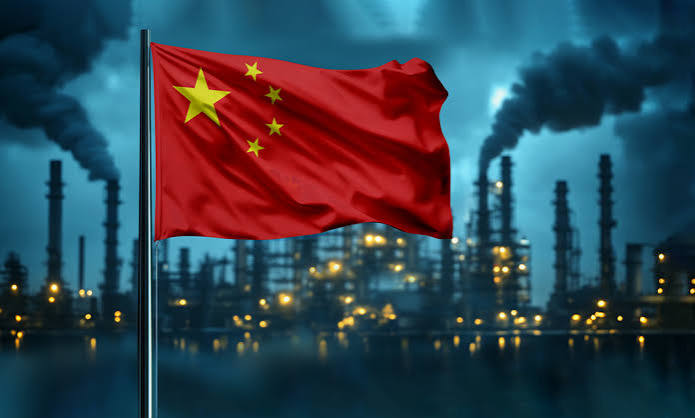
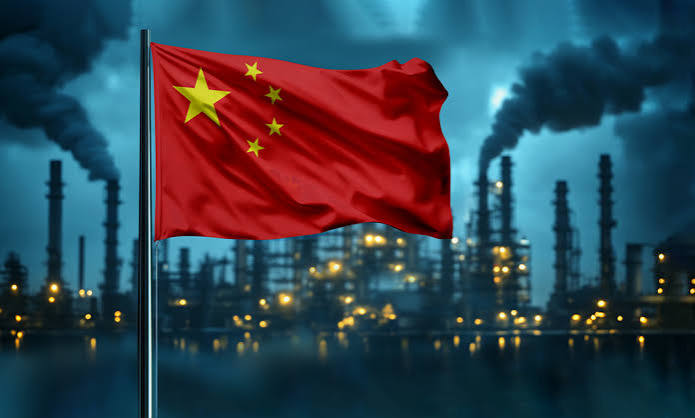
As Middle East supply is expected to return following the recent peace deal, attention is once again turning to China’s broader chemical overcapacity challenges. These concerns now extend beyond core petrochemicals into fertilizer-adjacent segments, adding a new layer of complexity for global buyers and producers.
China's Overcapacity Concerns Extend Into Fertilizer-Adjacent Chemical Markets
China has spent years building large-scale capacity across multiple chemical value chains. In several fertilizer-related and adjacent markets—including certain nitrogen derivatives, phosphates intermediates, and associated industrial chemicals—domestic production capability has outpaced local demand. The result has been periodic waves of lower-priced exports that pressure international pricing and margins.
The anticipated recovery of Middle East supply removes one source of recent tightness and is expected to ease logistical and feedstock constraints that had supported prices in some segments. With that support fading, the underlying issue of Chinese overcapacity is moving back to the forefront of market discussions.
Implications for Global Fertilizer and Chemical Trade
When Chinese producers face weak domestic demand or high inventory levels, export volumes typically rise. In fertilizer-adjacent markets this can translate into more aggressive pricing in Asia, Latin America, and other import-dependent regions. Buyers may benefit from greater availability and competitive offers in the short term, while producers elsewhere face intensified margin pressure.
The situation is particularly relevant for products that sit at the intersection of fertilizer and industrial chemical markets. These grades often serve dual purposes and can be redirected relatively quickly between agricultural and non-agricultural outlets, amplifying the impact of any Chinese export surge.
What Market Participants Should Watch
Key indicators include Chinese operating rates, inventory levels, and export data for the relevant product chains. The pace at which Middle East volumes return to the market will also influence overall balances and the degree to which Chinese material competes on price. Trade policy developments, including any anti-dumping actions in major importing regions, remain an additional variable.
China’s overcapacity challenges are not new, but their extension into fertilizer-adjacent chemical markets takes on fresh significance as Middle East supply normalizes. For traders, producers, and buyers, the combination of recovering Gulf volumes and persistent Chinese surplus capacity points to a more competitive and potentially lower-priced environment in the months ahead.

Alpha Pinene 95% - Spain
Found this useful?