
China's Polyethylene Exports Surge 164% Month-on-Month in a Historic April
Global polymer markets experienced a massive structural shock when official trade data confirmed a historic surge in outbound shipments. China polyethylene exports reached slightly above 550,000 tons in April 2026, marking an unprecedented expansion in international trade volumes. This specific monthly figure represents a staggering 164% increase from March and a 479% jump compared to the same period last year.
Traders and procurement managers immediately recognized this data point as a fundamental shift in global supply dynamics. The sheer scale of this export wave forces overseas buyers to completely recalibrate their sourcing strategies and contract expectations. Domestic Chinese producers successfully redirected massive surplus volumes into international waters to balance their local inventory levels.
The following sections explore the mechanics behind this historic surge and what it means for your next polymer contract. Understanding these new trade flows is essential for navigating the current market environment.
Drivers Behind the Historic Export Volume Spike
Chinese domestic demand softened significantly during the first quarter due to seasonal manufacturing lulls and slower construction activity. Local converters reduced their purchasing rates and allowed their raw material inventories to draw down to minimal levels.
This internal demand weakness left major petrochemical producers with overflowing storage tanks and high operating rates. Management teams made the strategic decision to aggressively price their surplus material for export rather than curtail production.
New capacity additions that came online in late 2025 also contributed heavily to this physical surplus. These modern world-scale facilities reached full commercial utilization exactly when domestic consumption hit its seasonal trough.
Producers leveraged their low cash costs to offer highly competitive prices in overseas markets. This aggressive pricing strategy quickly attracted international trading houses looking to capture wide geographical arbitrage opportunities.
Regional Destinations for the Surplus Polymer Cargoes
The massive volume of exported material flowed primarily toward Southeast Asia and the Indian subcontinent. Buyers in Vietnam, Thailand and India capitalized on the discounted offers to replenish their depleted inventories at record-low landed costs.
These specific regions possess growing packaging and consumer goods sectors that require consistent supplies of basic packaging resins. Local producers in these countries simply could not match the steep discounts offered by Chinese exporters during this specific window.
Latin American buyers also increased their lift nominations to take advantage of the favorable pricing environment. Brazilian and Mexican converters secured long-term supply agreements that locked in attractive baseline volumes for the remainder of the year.
European importers participated in this trade flow to a lesser extent due to longer transit times and stricter regulatory requirements. However several major trading desks still booked spot cargoes to supplement their regional supply bases during a period of local maintenance turnarounds.
Impact on Global Pricing and Margin Compression
The sudden injection of over half a million tons of additional supply into the seaborne market immediately pressured global benchmarks. Spot premiums in key importing regions evaporated within days as buyers realized the sheer depth of available Chinese material.
International producers faced intense pressure to defend their local market share against this aggressive import competition. Many regional manufacturers were forced to slash their own list prices to prevent their customers from switching to cheaper overseas alternatives.
This widespread price compression severely squeezed operating margins for non-Chinese petrochemical companies. High-cost naphtha crackers in Europe and Japan found themselves particularly vulnerable to this downward pricing pressure.
The margin squeeze extended down the entire value chain as compounders and extruders adjusted their selling prices. Downstream converters enjoyed temporary relief from lower input costs but faced uncertainty regarding future price stability.
Logistics and Freight Market Implications
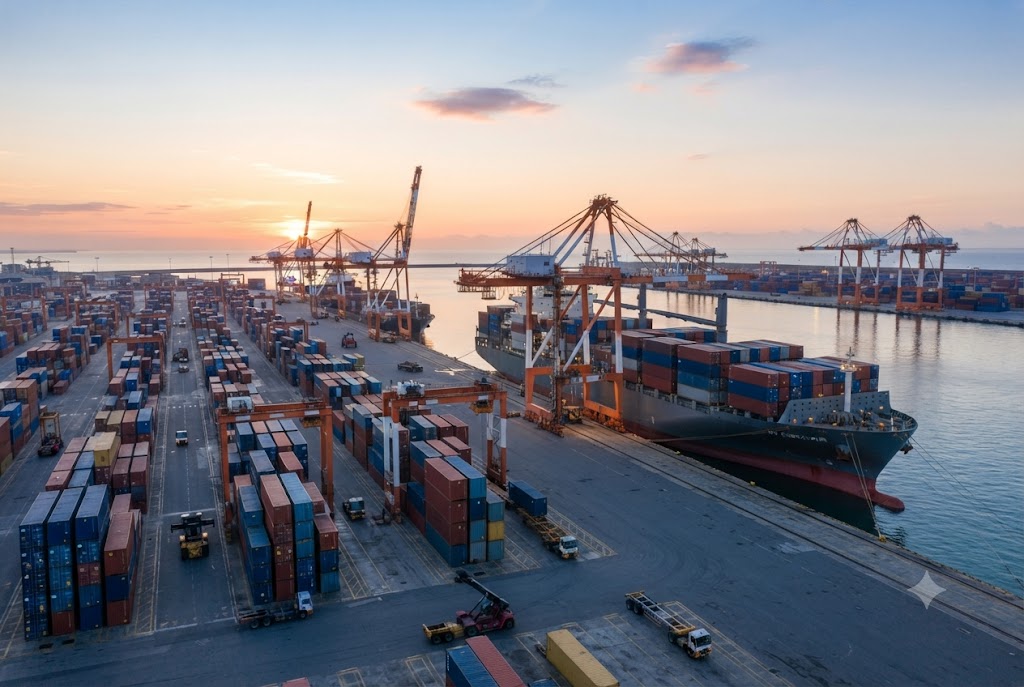
Moving 550,000 tons of polymer resin in a single month requires immense logistical coordination and vessel availability. Chinese exporters chartered a significant number of container ships and bulk carriers to transport this surplus volume to international destinations.
The sudden spike in booking requests caused localized freight rates to firm up along key East-West trade lanes. Shipping lines implemented peak season surcharges earlier than anticipated to capitalize on the unexpected demand for container space.
Port congestion emerged at several major Chinese loading terminals as warehouses struggled to process the record outbound volumes. Trucking bottlenecks and equipment shortages delayed some scheduled departures and extended the average lead time for spot purchases.
Importing ports in Southeast Asia and Latin America also experienced operational strain from the concentrated arrival of these large cargoes. Terminal operators worked overtime to discharge vessels and clear customs to prevent severe demurrage penalties.
Strategic Responses from International Producers
Non-Chinese petrochemical companies quickly implemented defensive strategies to protect their domestic customer bases. Several major European and Middle Eastern producers announced unplanned maintenance turnarounds to reduce supply and support local pricing floors.
Other international manufacturers shifted their production slates toward higher-margin specialty grades that face less direct import competition. This tactical pivot allowed them to maintain overall profitability despite the severe compression in basic commodity resin margins.
Trading houses played a crucial role in facilitating the redistribution of this massive surplus volume across global markets. These intermediaries absorbed the logistical risks and provided the necessary financing to move material from Chinese warehouses to distant end-users.
International producers also engaged in direct negotiations with their key accounts to offer flexible pricing mechanisms. These contractual adjustments helped retain loyal customers who might otherwise have been tempted by aggressive Chinese spot offers.
What Procurement Teams Should Do Now
Procurement managers must treat this historic export surge as a permanent structural shift rather than a temporary anomaly. The underlying capacity additions that drove this volume will remain operational for years and continue to influence global trade patterns.
Audit your current supplier base to ensure you have qualified multiple origins capable of delivering competitive volumes. Relying exclusively on regional suppliers leaves your manufacturing operations vulnerable to sudden price spikes or allocation limits.
Negotiate contracts that include transparent pricing formulas linked to reliable international benchmarks. This approach ensures your purchase prices accurately reflect real-time global supply and demand fundamentals rather than arbitrary local premiums.
Maintain strategic buffer stocks at your local facilities to absorb potential logistics delays during periods of high export activity. Having physical inventory on hand provides crucial leverage during negotiations and protects your production schedules from unexpected disruptions.
Ready to source polyethylene from verified global suppliers? Explore competitive offers on our platform today.

Linear-Low Density Polyethylene (LLDPE)
Found this useful?