China's Refining Slowdown: What It Means for Petrochemical Markets | ChemicalsBlog.com
Country Watch
schedule3 Min Read
China's Refiners Signal a Structural Demand Question, Not Just a Cyclical Dip
terminal
prodchem
Jul 20, 2026
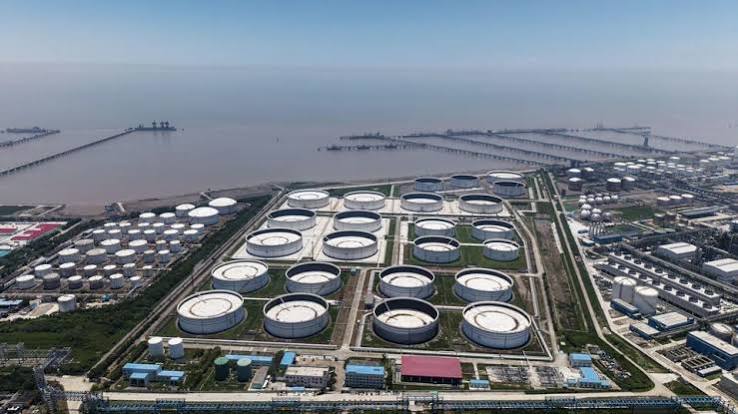
China's refining sector may be entering a period of structural change rather than experiencing a temporary market slowdown. According to GL Consulting, China's refining activity is forecast to decline by approximately 5% in 2026, prompting industry analysts to examine whether the country's rapid electric vehicle (EV) adoption is permanently reducing demand for transportation fuels.
As the world's largest energy consumer and one of the biggest chemical producers, China's refining sector plays a central role in supplying petrochemical feedstocks used across numerous industries. While lower fuel demand may pressure traditional refining operations, petrochemical production is expected to remain strategically important as demand for plastics, specialty chemicals, and industrial materials continues to grow.
For procurement professionals, this trend highlights the importance of monitoring long-term structural changes in China's energy and petrochemical sectors rather than focusing solely on short-term market cycles.
Why China's Refining Industry Matters
China's refineries produce fuels while also supplying essential feedstocks for chemical manufacturing.
Key downstream products include:
Ethylene
Propylene
Polyethylene (PE)
Polypropylene (PP)
Mono Ethylene Glycol (MEG)
Aromatics and industrial solvents
Changes in refinery utilization can influence feedstock availability, production economics, and global petrochemical markets.
China's integrated refineries supply feedstocks used to manufacture products such as Mono Ethylene Glycol (MEG), Polyethylene (PE), Propylene Glycol (PG), Polyethylene Glycol (PEG), Acetic Acid, and Isopropyl Alcohol (IPA). These chemicals support industries including packaging, textiles, automotive, pharmaceuticals, and industrial manufacturing.
The projected decline in refining activity reflects several long-term industry trends:
Rising electric vehicle adoption
Slower growth in gasoline demand
Greater focus on petrochemical integration
Refinery modernization
Capacity optimization
Shifting investment priorities
Rather than simply producing transportation fuels, many refiners are increasingly investing in integrated petrochemical production to capture higher-value markets.
Procurement Considerations
Procurement professionals should continue monitoring developments in China's refining and petrochemical sectors.
Key considerations include:
Feedstock availability
Petrochemical production capacity
Supplier diversification
Regional pricing trends
Long-term supply agreements
Market demand outlook
Understanding structural market changes can help businesses make more informed sourcing decisions.
Looking Ahead
China's refining industry is expected to continue evolving as energy transition policies, electric vehicle adoption, and changing fuel consumption patterns reshape market demand. While transportation fuel growth may slow, petrochemical manufacturing is likely to remain a major investment priority.
For procurement teams, monitoring refinery integration projects and petrochemical capacity expansion will be increasingly important for long-term sourcing strategies.
Key Takeaways
China's refining activity is forecast to decline by approximately 5% in 2026.
Growing EV adoption may contribute to long-term changes in fuel demand.
Petrochemical production remains a strategic focus for integrated refineries.
Procurement professionals should monitor feedstock availability and supplier strategies.
Structural market changes may influence future petrochemical supply and pricing.
Supply chainglobal marketIndustrial ChemicalsGlobal Supply ChainPetrochemicalsGlobal Chemical and Feed Supply ChainMonoethylene GlycolpolyethyleneethyleneMonoethylene Glycol Marketcountry watchTradeChemRefineryChina Refining IndustryElectric VehiclesPetrochemical Feedstocks