Chinese Capacity Additions Continue Driving Commodity Chemical Overcapacity Regulatory Debates
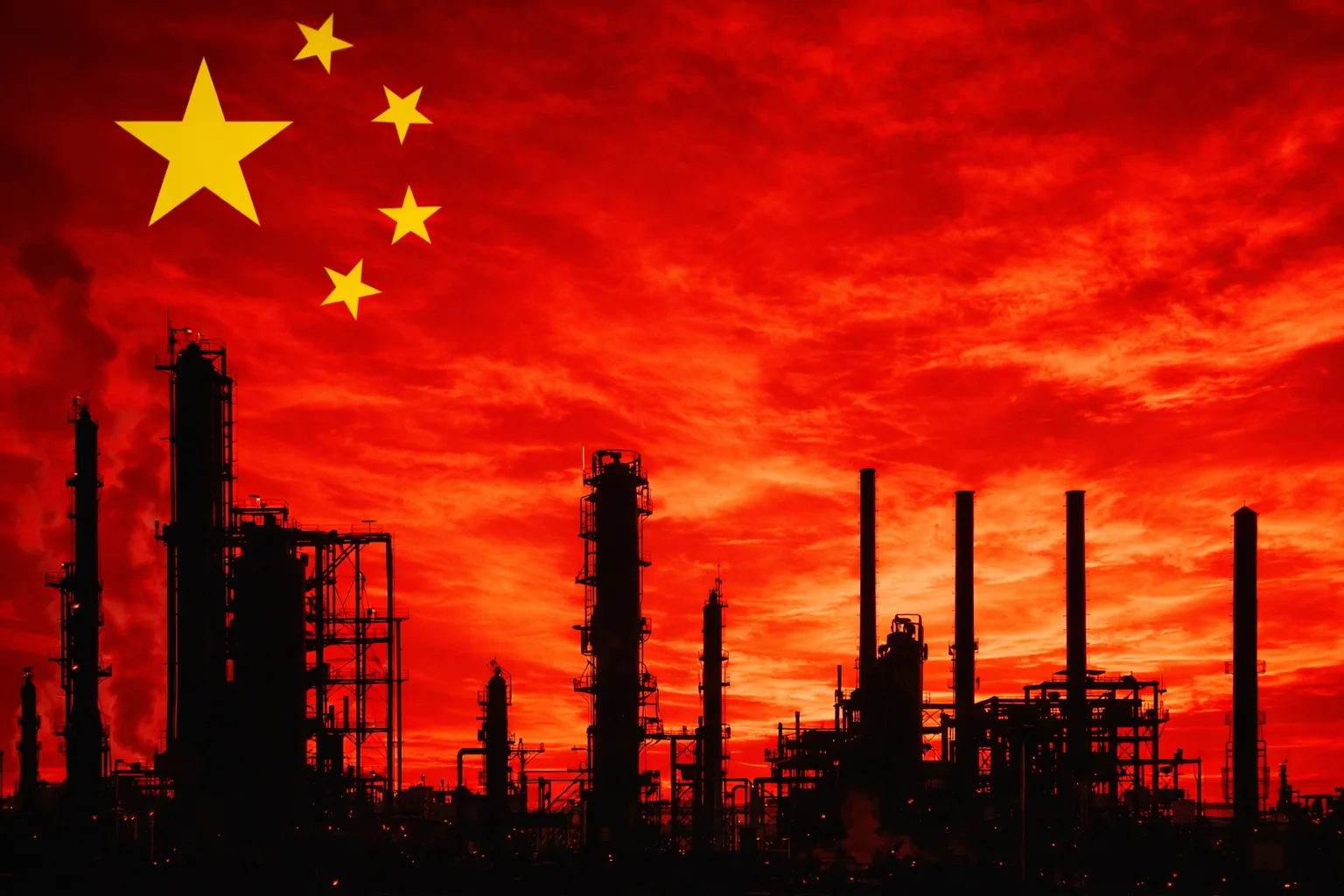
China's continued expansion of commodity chemical production is reshaping global supply-demand dynamics. New capacity in core products such as olefins and polymers has increased available supply at a time when demand growth has struggled to absorb the additional volumes.
The resulting overcapacity is creating pressure across the international chemical industry. Producers outside China face weaker margins and lower utilization while importers and downstream manufacturers gain access to more competitive material.
For chemical procurement teams, traders and manufacturers, this creates both an opportunity and a risk. Lower prices can improve purchasing economics, but prolonged oversupply can also increase trade-policy intervention and create uncertainty around future sourcing patterns.
Why Chinese Capacity Matters to Global Chemical Markets
China has developed an extensive petrochemical manufacturing base covering major commodity chemicals, polymers and intermediates.
Additional production capacity can materially affect global markets because these products are traded internationally. When domestic Chinese supply exceeds local demand, producers can seek export markets for surplus material.
This can increase competition in regions where producers already operate with significant spare capacity.
Olefins such as ethylene and propylene are particularly important because they feed large downstream value chains. Polymers produced from these and related feedstocks then compete across packaging, construction, automotive and consumer-product applications.
As new capacity comes online, the effect can therefore extend well beyond the original production facility.
Overcapacity Creates a Margin Problem
When supply grows faster than demand, producers typically face pressure on selling prices and operating margins.
Companies may respond by reducing operating rates, delaying investment or seeking more competitive feedstocks. However, producers with lower costs may continue operating even when market conditions weaken.
This can make overcapacity persistent.
For commodity chemical buyers, the immediate effect can be attractive pricing. Yet sustained low margins can also increase the likelihood of plant closures, production cuts or consolidation among higher-cost producers.
Procurement teams therefore need to distinguish between short-term purchasing advantages and longer-term changes in supplier availability.
Olefins Remain a Key Pressure Point
Olefins sit at the center of many chemical value chains, making capacity additions particularly significant.
Ethylene and propylene feed downstream production of polymers, solvents, intermediates and numerous specialty chemicals.
When new olefin capacity exceeds demand growth, the impact can spread throughout the broader chemical chain.
Downstream producers may benefit from lower feedstock costs, but upstream manufacturers can face weaker economics. The resulting pressure can influence operating rates and investment decisions across multiple countries.
For chemical traders, monitoring olefin capacity additions can therefore provide an early signal for broader commodity chemical market conditions
Polymer Markets Face the Same Structural Pressure
Polymer capacity expansion adds another layer to the oversupply problem.
Large volumes of polyethylene, polypropylene and other polymers enter highly competitive international markets. These products are widely used across packaging, automotive components, construction materials and consumer goods.
When supply expands faster than end-use demand, producers can face declining margins.
Export markets then become increasingly important for companies looking to maintain plant utilization.
This can increase competition for producers in other regions and may encourage governments to examine whether imported material is entering domestic markets under conditions that harm local industry.
Trade Policy Becomes Part of the Market Equation
Persistent oversupply can eventually move the issue from commercial competition into policy discussions.
Governments and industry associations may consider trade measures when domestic producers argue that imported products are creating unfair competitive pressure.
Possible policy responses can include:
Anti-dumping investigations.
Countervailing-duty cases.
Tariff changes.
Import monitoring.
Safeguard measures.
Negotiated trade arrangements.
These measures can alter the economics of imported chemicals quickly.
A material that appears highly competitive on a delivered-cost basis can become less attractive if a new duty is imposed.
Regulatory Debates Reflect a Broader Industrial Challenge
The debate around Chinese chemical capacity is not simply about imports.
Policymakers must balance several competing objectives:
Consumer costs: Lower chemical prices can benefit downstream manufacturers and consumers.
Domestic production: Local chemical industries support employment, investment and strategic manufacturing capabilities.
Trade fairness: Governments may investigate whether competition reflects market conditions or state support and other distortions.
Industrial resilience: Maintaining domestic production of strategically important chemicals can reduce supply-chain dependence.
These considerations make policy responses difficult.
A broad restriction on imports may support domestic producers but increase costs for downstream industries that rely on competitive chemical inputs.
Procurement Teams Face a Changing Cost Environment
For buyers, Chinese overcapacity can create attractive sourcing opportunities.
Lower-cost material may allow downstream manufacturers to reduce input costs and improve margins. Importers can also benefit from greater supplier competition.
However, buyers should consider the possibility that trade measures could change the landed cost.
A procurement strategy based heavily on one low-cost origin can become vulnerable if tariffs, anti-dumping duties or logistical disruptions emerge.
Companies should therefore evaluate:
Origin concentration.
Alternative suppliers.
Tariff exposure.
Freight costs.
Supplier capacity.
Product qualification requirements.
Inventory flexibility.
This approach can help buyers capture the benefits of oversupply without becoming overly dependent on one market.
European Producers Face Particular Pressure
European chemical producers have already faced challenges from high energy costs, weaker demand and reduced competitiveness.
Additional competition from low-cost Chinese commodity chemicals can intensify those pressures.
For European producers, the issue is not simply the volume of imports. It also concerns whether existing plants can operate economically enough to justify continued investment.
Persistent margin pressure can lead to production reductions or facility closures.
For buyers, this could eventually produce an unexpected outcome: short-term oversupply followed by longer-term regional capacity contraction.
Other Producers May Respond Through Capacity Discipline
The global market response does not have to rely entirely on government intervention.
Chemical companies can reduce exposure through capacity discipline.
Potential responses include:
Delaying planned projects.
Reducing operating rates.
Converting facilities to higher-value products.
Closing older plants.
Consolidating production.
Increasing specialty chemical exposure.
These strategies can gradually rebalance supply and demand.
However, adjustment can take years, particularly when large new plants have already been constructed.
Ammonium Polyphosphate
Found this useful?