
Chinese Petrochemical Export Surge Adds Pressure to European Cracker Economics
The sharp rise in Chinese chemical exports to Europe adds fresh pricing pressure to already-struggling European steam cracker economics. This influx of low-cost material challenges the viability of regional production facilities. European producers face a dual burden of high operational costs and aggressive international competition. Procurement managers and global buyers must understand the implications of this market shift. The traditional balance of supply and demand in Europe is being disrupted. Local manufacturers can no longer rely on geographic proximity to guarantee market share. Buyers have more options but also face new risks related to supply chain stability. Strategic sourcing decisions must account for these evolving dynamics. Understanding the economic drivers behind this surge is essential for long-term planning.
The Mechanics of Steam Cracker Economics
Steam crackers are the heart of the petrochemical industry. They break down heavy hydrocarbons like naphtha or ethane into lighter building blocks such as ethylene and propylene. These olefins are then used to produce plastics and other chemicals. The economics of these facilities depend heavily on feedstock costs and operating margins.
European crackers primarily use naphtha which is linked to crude oil prices. This makes them sensitive to global energy markets. In contrast many new Chinese facilities use coal-to-olefins or integrated refinery models that offer cost advantages. When Chinese exporters flood the market with cheap derivatives European margins collapse.
Feedstock flexibility is limited in older European units compared to newer Asian plants.
Energy intensity of cracking processes makes European facilities vulnerable to high electricity and gas prices.
Maintenance cycles require consistent cash flow which thin margins jeopardize.
The inability to compete on price forces European producers to reduce output. This reduction creates a supply gap that imports quickly fill. The cycle reinforces the dependence on foreign material.
Drivers of the Chinese Export Surge
China has invested heavily in petrochemical capacity over the past decade. Massive integrated complexes have come online simultaneously creating a domestic surplus. Slower than expected growth in local demand exacerbates this oversupply.
Producers must export to maintain operational rates and cash flow. Government policies supporting manufacturing output further encourage this behavior. The result is a steady stream of competitively priced materials flowing into Europe.
Capacity expansion in China outpaces global demand growth by a significant margin.
Logistical improvements reduce shipping times and costs for bulk chemical transports.
Quality advancements allow Chinese products to meet stringent European specifications.
This structural shift is not temporary. It represents a fundamental change in global trade flows. European buyers now have access to abundant low-cost alternatives. However this abundance comes with strategic trade-offs.
Impact on European Production Viability
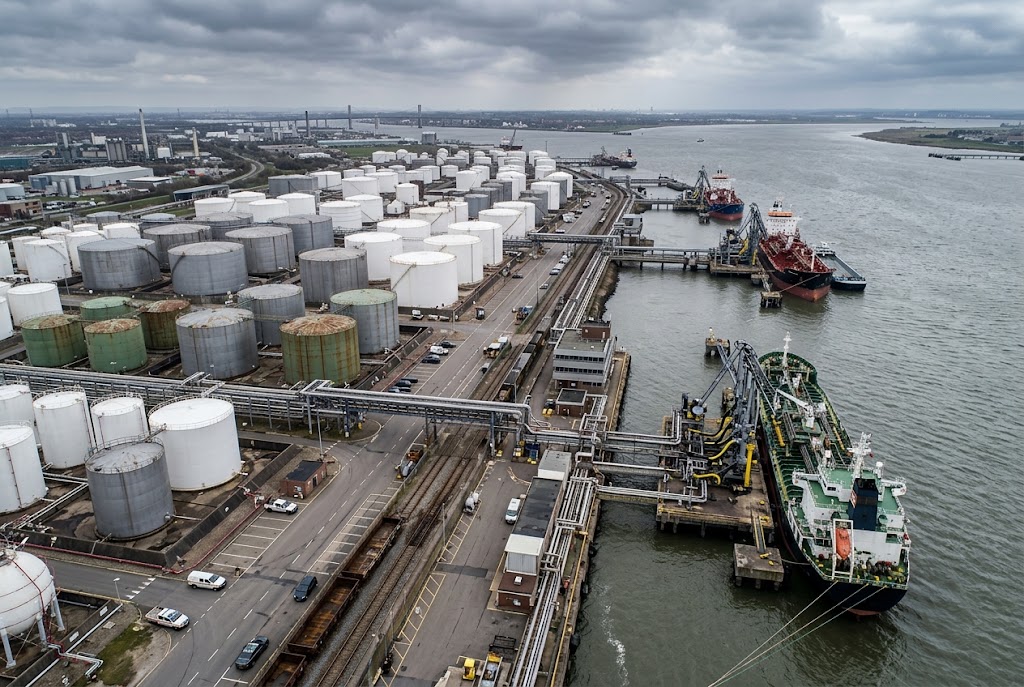
The pricing pressure from Chinese exports threatens the long-term viability of European steam crackers. Margins are too thin to justify necessary capital investments for maintenance or decarbonization. Some facilities are already idling units or announcing permanent closures.
This contraction reduces the regional supply base. It increases Europe's reliance on imports for basic chemical building blocks. While lower prices benefit buyers in the short term the loss of local production poses long-term risks.
Supply security diminishes as domestic capacity shrinks.
Job losses in the chemical sector impact local economies and skilled labor availability.
Innovation slowdown occurs as companies cut R&D budgets to preserve cash.
Procurement teams must weigh immediate cost savings against these strategic risks. Relying entirely on imports exposes the supply chain to geopolitical and logistical disruptions. A balanced approach that supports viable local suppliers while leveraging global opportunities is prudent.
Supply Chain Risks for Buyers
Sourcing from distant markets introduces specific vulnerabilities. Long transit times require larger inventory holdings which tie up working capital. Freight rate volatility can erase initial price advantages.
Quality consistency must be rigorously monitored when switching suppliers. Different production methods may result in subtle variations in product properties. These variations can affect downstream manufacturing processes.
Lead time variability makes just-in-time production models difficult to maintain.
Customs and regulatory compliance add administrative burdens and potential delays.
Currency fluctuations between the euro yuan and dollar impact final landed costs.
Buyers must implement robust risk management protocols. Diversifying suppliers across multiple regions mitigates these risks. Building strong relationships with freight forwarders and customs brokers ensures smoother logistics.
Strategic Sourcing in a Competitive Market
The current market environment offers buyers significant leverage. Competition between European and Chinese suppliers drives prices down. Procurement teams can negotiate better terms and service levels.
However sustainable partnerships require fair margins for suppliers. Squeezing suppliers too hard can lead to financial distress and eventual exit from the market. Buyers should aim for win-win agreements that ensure long-term supply stability.
Total cost of ownership analysis should include freight insurance and inventory carrying costs.
Supplier financial health assessments help identify stable partners.
Contract flexibility allows for volume adjustments based on market conditions.
Engaging with both local and international suppliers provides the best of both worlds. Local suppliers offer responsiveness and lower logistical risk. International suppliers provide cost competitiveness and volume flexibility. A hybrid strategy optimizes value and resilience.
Regulatory and Sustainability Considerations
European regulations increasingly favor low-carbon production methods. The Carbon Border Adjustment Mechanism (CBAM) will impose costs on imports with high carbon footprints. This policy may level the playing field for European producers who are investing in green technologies.
Chinese producers face their own environmental constraints but may not yet match EU standards. Buyers must consider the carbon intensity of their supply chains. Sourcing from suppliers with verified sustainability credentials supports corporate net-zero goals.
Carbon accounting becomes a critical factor in supplier selection.
Recycled content requirements drive demand for circular economy solutions.
Regulatory compliance costs may shift the competitive balance over time.
Procurement professionals must stay informed about these evolving policies. They will significantly impact the relative competitiveness of different sourcing options. Early adaptation provides a strategic advantage.
The Bottom Line for Procurement Teams
The surge in Chinese petrochemical exports presents both opportunities and challenges for European buyers. Lower prices improve immediate profitability but threaten long-term supply security. Procurement teams must navigate this complex landscape with strategic foresight.
Diversify your supply base to include both regional and global partners. Evaluate suppliers based on total cost reliability and sustainability. Build resilient supply chains that can withstand market volatility. The future of chemical sourcing requires balance agility and informed decision-making.
Ready to source chemicals from verified global suppliers? Explore competitive offers on our platform today.

Styrene Monomer
Found this useful?