Chiyoda Wins FEED for CO₂ Liquefaction at a Coal-Fired Plant in Japan
Chiyoda Wins FEED for CO₂ Liquefaction at a Coal-Fired Plant in Japan
Chiyoda Corporation has been awarded a Front-End Engineering Design (FEED) contract for CO₂ liquefaction facilities on the Matsuura Carbon Capture and Storage (CCS) project in Matsuura City, Nagasaki Prefecture. The project is being jointly developed by Electric Power Development Co., Ltd. (J-POWER) and Kyushu Electric Power Co., Inc. at their coal-fired power plants and targets commercial operation in the early 2030s. Chiyoda’s scope covers the FEED of the liquefaction units within the broader chain of CO₂ capture, liquefaction, temporary storage and loading for maritime transport. The award builds on an earlier feasibility study conducted by Chiyoda and forms part of engineering work linked to the Japan Organization for Metals and Energy Security (JOGMEC) Advanced CCS Projects with Maritime Transport initiative.
Project Setting: Matsuura Cluster
J-POWER and Kyushu Electric each operate coal-fired capacity in Matsuura. Under the Matsuura Cluster, the two utilities are jointly studying shared CO₂ separation, capture, liquefaction, temporary storage and shipping facilities. The FEED phase follows their selection under JOGMEC’s programme for design work on advanced CCS projects that rely on ship-based transport of CO₂ to storage sites. Sharing infrastructure is intended to improve efficiency and economics compared with fully separate systems at each plant.
Chiyoda’s Scope: Liquefaction FEED
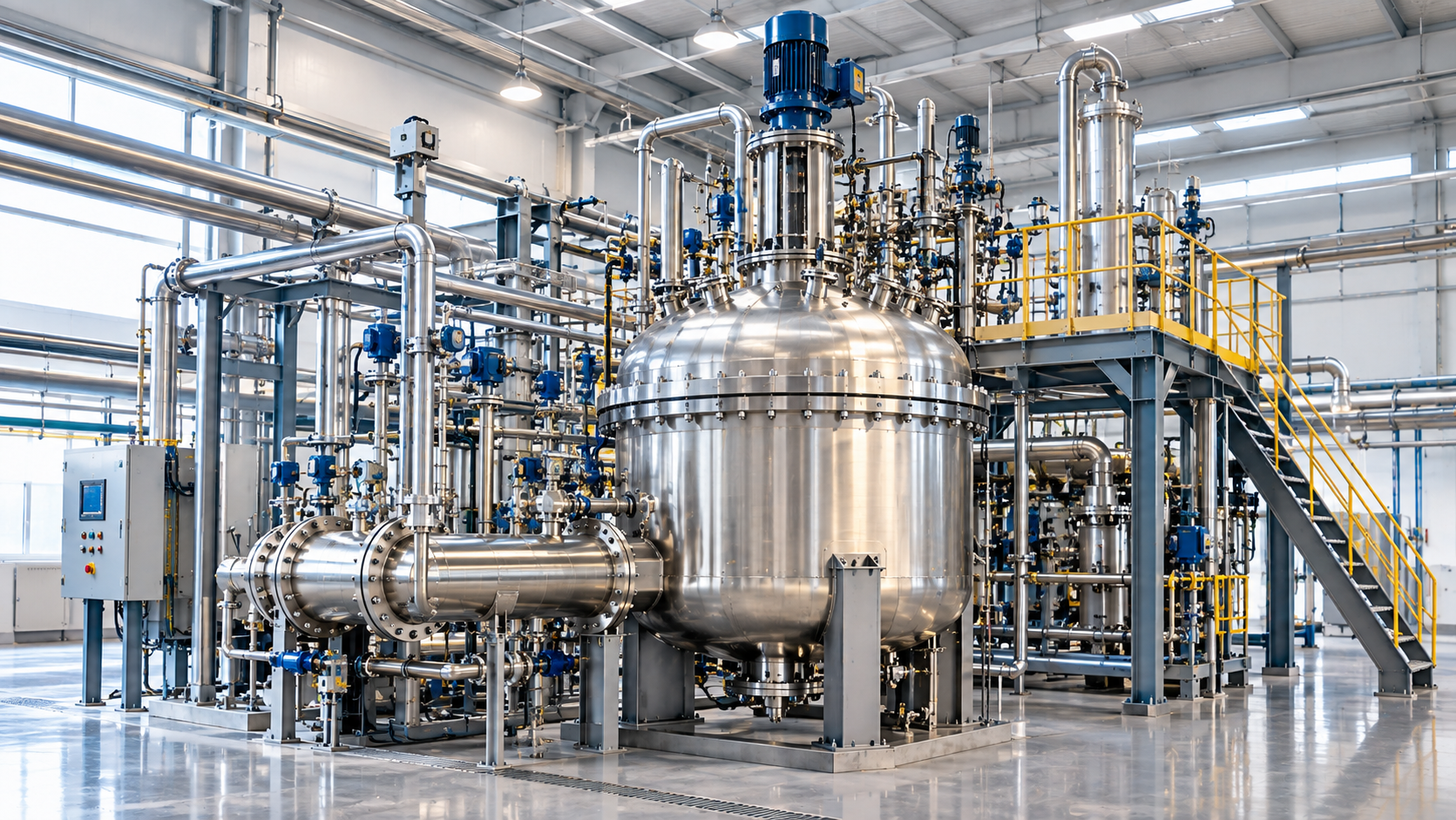
Chiyoda is responsible for the basic design of the CO₂ liquefaction facilities. Liquefaction is a critical step when captured CO₂ is to be transported by ship: it reduces volume and enables efficient loading, temporary storage and marine carriage to offshore or distant storage locations. The FEED will examine layout and detailed engineering specifications, drawing on the prior feasibility study, so that the project partners have a robust basis for a future commercialisation decision.
Role of Maritime CCS in Japan
Japan’s geography and industrial structure make ship-based CO₂ transport an important option for linking capture sites with suitable storage reservoirs. JOGMEC’s advanced CCS programme is designed to move selected clusters from study into design and, ultimately, investment. Matsuura is one of the clusters advancing along that path. Successful FEED and subsequent FID would place a major coal-fired complex on a trajectory toward large-scale capture and export of CO₂ by the early 2030s.
Technology and Partner Context
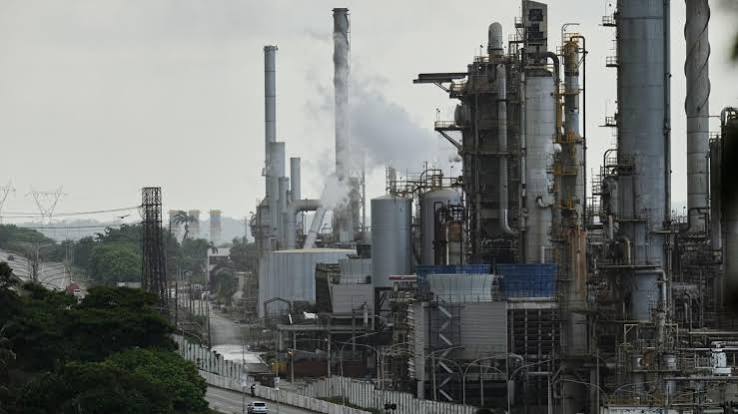
The overall FEED for separation, capture, liquefaction, storage and shipping involves several specialised contractors, including Mitsubishi Heavy Industries and others alongside Chiyoda. Chiyoda’s focus on liquefaction leverages its process and project-execution experience in gas processing and related facilities. Completing FEED to a bankable standard is a prerequisite for financing and for coordinating the marine transport and storage legs of the value chain.
Implications for Coal-Fired Power and CCS Deployment
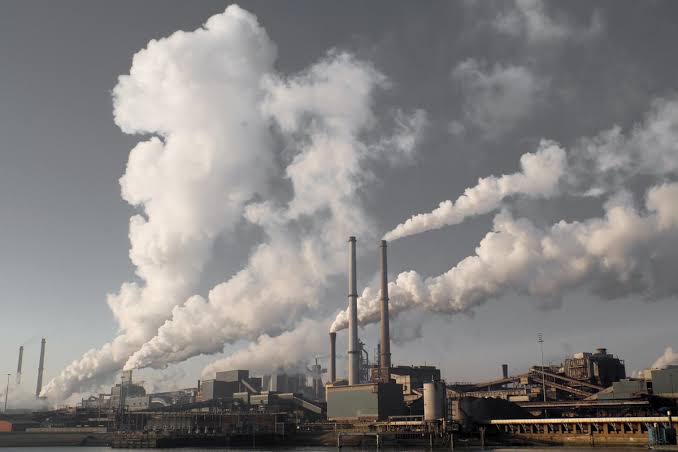
Advancing liquefaction design at Matsuura signals that Japanese utilities and policymakers continue to treat CCS as a realistic pathway for existing coal assets rather than relying solely on early closure. For equipment and engineering suppliers, it creates a concrete FEED reference in the domestic CCS pipeline. For the broader market, progress at Matsuura will be watched as an indicator of whether ship-based CCS clusters can move from subsidised studies into investable projects on the timeline implied by national decarbonisation goals.
Outlook
Chiyoda’s FEED award for CO₂ liquefaction at the Matsuura CCS project moves a key Japanese coal-fired cluster one step closer to a commercial design basis. The quality and cost of the liquefaction package will influence the overall economics of capture-to-storage via ship. If FEED is completed successfully and the partners proceed to investment, Matsuura could become an early operational example of large-scale, maritime CCS from coal power in Japan in the early 2030s. Until then, the focus remains on engineering detail, cost refinement and alignment with the wider transport and storage chain.
Sources
Beta Pinene
Found this useful?