
Chlorinated Paraffin: Applications in Plastics and Rubber
Chlorinated paraffin has played an important role in industrial polymer manufacturing for decades, particularly in applications involving plastics and rubber. Its combination of plasticising properties, chemical stability and flame-retardant characteristics has made it relevant to several sectors, including construction, automotive manufacturing, electrical insulation and industrial equipment.
For chemical industry professionals, understanding chlorinated paraffin requires looking beyond its traditional applications. Regulatory developments, environmental concerns and the search for safer alternatives are changing how manufacturers evaluate this chemical family. These changes also influence material selection, supplier compliance and long-term procurement decisions.
What Is Chlorinated Paraffin?
Chlorinated paraffins (CPs) are complex mixtures of chlorinated hydrocarbons, also known as polychlorinated n-alkanes. Manufacturers produce them through the chlorination of straight-chain paraffin hydrocarbons. Their chemical characteristics vary according to carbon-chain length and chlorine content.
The industry generally divides chlorinated paraffins into three categories:
Short-chain chlorinated paraffins (SCCPs): Contain carbon chains ranging from C10 to C13.
Medium-chain chlorinated paraffins (MCCPs): Contain carbon chains ranging from C14 to C17.
Long-chain chlorinated paraffins (LCCPs): Generally contain carbon chains with 18 or more carbon atoms.
These categories have different chemical properties, industrial applications and regulatory requirements. Manufacturers cannot treat them as interchangeable materials because their environmental profiles and legal status differ.
Important Industrial Properties
Historically, chlorinated paraffins attracted manufacturers because of several characteristics:
Plasticising properties: Certain formulations have served as secondary plasticisers in flexible polymer materials.
Flame-retardant performance: Their chlorine content has contributed to flame-retardant properties in selected industrial materials.
Chemical stability: Their characteristics have supported applications requiring resistance to certain chemical and environmental conditions.
Material compatibility: Certain grades have historically appeared in PVC, rubber, coatings and sealant systems.
However, these properties do not automatically make every chlorinated paraffin suitable for every industrial application. Material selection requires consideration of regulatory restrictions and the environmental profile of the specific substance.
Applications of Chlorinated Paraffin in Plastics
The plastics industry has historically represented an important application area for chlorinated paraffins. Their role has been particularly relevant in flexible polyvinyl chloride (PVC) materials, where manufacturers have used certain grades as secondary plasticisers and functional additives.
Role in Flexible PVC Products
PVC is widely used in construction, electrical equipment, automotive components and industrial products. Flexible PVC requires additives that influence its physical properties and performance.
Historically, chlorinated paraffins have appeared in selected PVC applications to support flexibility and contribute to flame-retardant characteristics. Their presence has been associated with products such as:
Flexible PVC materials: Used in selected industrial and commercial applications.
Cable insulation and coverings: PVC-based materials have applications in electrical systems where flexibility and fire-performance requirements matter.
Industrial films and sheets: Certain polymer materials have historically incorporated chlorinated paraffins as functional additives.
Construction materials: Flexible polymer components and selected building products have represented traditional application areas.
The exact suitability of an additive depends on the polymer system, product specifications and applicable regulations. Manufacturers increasingly evaluate alternative materials when developing new PVC products.
Flame-Retardant Applications in Plastics
Fire performance remains an important consideration in plastic manufacturing. Electrical components, construction materials and industrial equipment often require materials that meet specific fire-safety standards.
Chlorinated paraffins have historically contributed to flame-retardant performance in selected polymer systems. Their chlorine content can influence the behaviour of materials when exposed to elevated temperatures.
However, flame-retardant performance alone does not establish overall product suitability. Manufacturers must also consider environmental persistence, potential exposure, product lifecycle requirements and restrictions in destination markets.
Chlorinated Paraffin Applications in Rubber Manufacturing
Rubber manufacturing represents another historical application area for chlorinated paraffins. Industrial rubber products often require a combination of flexibility, durability, resistance to environmental conditions and dependable performance.
Certain chlorinated paraffins have historically appeared in rubber formulations as secondary plasticisers and flame-retardant additives. Their use has been associated with specialised products where manufacturers require particular material characteristics.
Industrial Rubber Products
Traditional application areas include:
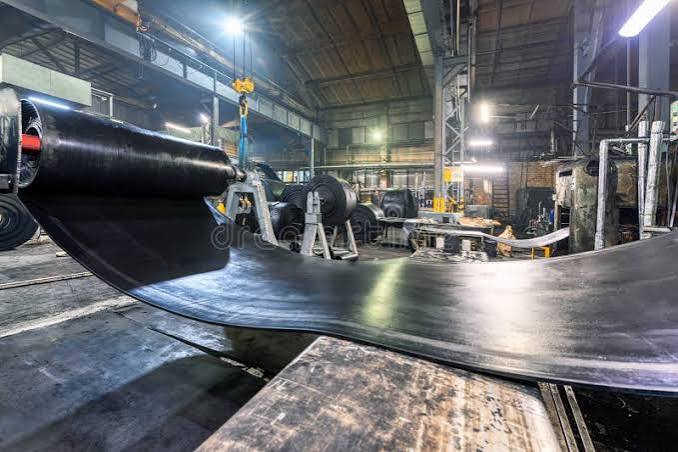
Conveyor belts: Industrial conveyor systems require durable rubber materials that withstand demanding operating environments.
Rubber hoses: Industrial hoses serve applications where flexibility and resistance to external conditions matter.
Cable coverings: Rubber-based electrical coverings require suitable insulation and fire-performance characteristics.
Industrial seals: Rubber seals and related components support equipment protection and material containment.
Industrial rollers: Rubber-covered rollers serve manufacturing and material-handling operations.
These examples describe historical application categories rather than recommending chlorinated paraffins for new product formulations. Manufacturers must assess current chemical restrictions before selecting materials.
Material Performance Considerations
Rubber manufacturers evaluate several characteristics when selecting additives and polymer materials.
Flexibility and durability influence how rubber products perform during normal operating conditions. Other considerations include ageing behaviour, compatibility with surrounding materials and compliance with product-specific standards.
Flame resistance can also matter in specialised industrial environments. However, manufacturers increasingly assess the complete environmental and regulatory profile of an additive instead of relying on a single performance characteristic.
Regulatory Challenges and Environmental Considerations
Regulatory developments have become one of the most important factors shaping the chlorinated paraffin market. Environmental persistence, bioaccumulation and potential toxicity have raised concerns about several members of this chemical family.
These concerns have influenced international agreements and national chemical-control frameworks. Manufacturers and buyers must therefore distinguish between different chain-length categories rather than treating all chlorinated paraffins as one substance.
Restrictions on Short-Chain Chlorinated Paraffins
Short-chain chlorinated paraffins have faced significant international restrictions because of their persistent and bioaccumulative characteristics.
The Stockholm Convention on Persistent Organic Pollutants listed SCCPs in Annex A in 2017, establishing requirements for their elimination subject to specific provisions and exemptions. Their traditional applications in plastics, rubber and other industrial materials have consequently faced increasing restrictions.
The United States Environmental Protection Agency has also identified environmental concerns associated with SCCPs, particularly their persistence and toxicity to aquatic organisms.
Developments Affecting Medium-Chain Chlorinated Paraffins
Regulatory attention has expanded beyond short-chain varieties.
In 2025, the Stockholm Convention added medium-chain chlorinated paraffins to Annex A, with specific exemptions for certain applications. These include defined uses in flexible PVC, polymers, rubber and other industrial sectors.
This development represents an important change for manufacturers that historically considered MCCPs as alternatives to SCCPs. Businesses can no longer assume that replacing one chain-length category with another automatically resolves regulatory concerns.
Environmental Responsibility
The environmental profile of chlorinated paraffins raises several important considerations:
Persistence: Certain chlorinated paraffins remain in the environment for extended periods.
Bioaccumulation: Some substances can accumulate in living organisms.
Aquatic toxicity: Environmental assessments have identified concerns about their effects on aquatic organisms.
Waste management: Polymer products containing restricted substances can create additional challenges during recycling and disposal.
Manufacturers should evaluate the complete lifecycle of polymer materials, from raw-material selection to finished-product disposal. Environmental compliance increasingly influences product development and international market access.
Global Industry Trends and Changing Material Preferences
The chlorinated paraffin industry is experiencing changes driven by environmental regulations, manufacturing requirements and the development of alternative additives.
Historically, demand came from several industrial sectors that required functional additives for plastics, rubber, coatings and sealants. However, regulatory restrictions have encouraged manufacturers to reconsider traditional material choices.
The Shift Towards Alternative Additives
Manufacturers increasingly investigate alternative plasticisers and flame-retardant technologies to address changing regulatory expectations.
The selection of alternatives depends on the intended application. Flexible PVC, industrial rubber and electrical insulation products have different technical requirements, so a replacement suitable for one application may not perform equally well in another.
Common areas of alternative-material evaluation include:
Alternative plasticisers: Manufacturers assess other plasticising technologies for flexible polymer products.
Non-chlorinated flame retardants: These technologies offer potential options for applications with specific fire-performance requirements.
Advanced polymer formulations: Material developers investigate polymer systems that reduce dependence on restricted additives.
Improved recycling compatibility: Manufacturers increasingly consider how additives influence the recovery and reuse of polymer materials.
The Stockholm Convention also identifies technically feasible alternatives for known SCCP applications, reinforcing the broader transition towards different material technologies.
What Procurement Teams Should Consider
For chemical traders, importers and industrial buyers, chlorinated paraffin-related procurement decisions require careful attention to chemical identity and regulatory status.
A product's commercial description alone cannot establish whether it meets the requirements of a particular destination market. Buyers need reliable documentation that identifies the substance and supports regulatory assessment.
Chemical Identification and Documentation
Procurement and compliance teams should pay particular attention to:
Chemical identity: Confirm the exact chemical category and relevant CAS numbers rather than relying on broad commercial descriptions.
Chain-length classification: Distinguish between SCCPs, MCCPs and LCCPs.
Chemical composition: Review available technical documentation and composition information.
Safety Data Sheets: Check that documentation accurately describes hazards, handling requirements and applicable restrictions.
Regulatory declarations: Request appropriate evidence of compliance with the laws governing the intended market.
Traceability: Maintain documentation connecting material declarations with the relevant supplier and product batches.
These checks help businesses identify regulatory concerns before materials enter their supply chains.
International Trade and Market Access
Chemical regulations differ between jurisdictions. A material that appears in an existing industrial supply chain may still face restrictions when imported into another market.
Importers and exporters should therefore evaluate destination-country requirements before making commercial commitments. This is particularly important for products intended for international construction, automotive and electrical manufacturing markets.
Businesses should also review the regulatory status of finished articles. Restrictions can apply not only to chemical substances sold independently but also to products containing them.
The Outlook for Plastics and Rubber Manufacturing
The future of chlorinated paraffin applications will depend increasingly on regulatory developments, environmental performance and the availability of alternative materials.
Although these chemicals have historically served important functions in plastics and rubber manufacturing, their commercial relevance faces growing challenges. International restrictions are encouraging manufacturers to reconsider established formulations and strengthen chemical compliance processes.
Innovation in Polymer Manufacturing
The plastics and rubber industries continue to explore technologies that balance product performance with environmental responsibility.
Several developments are particularly relevant:
Safer additive technologies: Material developers are evaluating alternatives that meet performance requirements while addressing environmental concerns.
Sustainable polymer development: Manufacturers are giving greater attention to material lifecycle, recyclability and waste reduction.
Improved chemical transparency: Better composition reporting helps manufacturers assess regulatory risks across international supply chains.
Application-specific materials: Industrial buyers increasingly evaluate complete material systems rather than selecting additives based on individual properties.
These developments are likely to influence future demand for traditional polymer additives and the competitive position of alternative technologies.
What Global Buyers Should Expect
Chemical buyers should expect regulatory compliance to remain an important consideration when evaluating polymer materials. Restrictions affecting SCCPs and MCCPs demonstrate how international environmental agreements can reshape established industrial supply chains.
For traders and procurement managers, maintaining accurate chemical documentation, monitoring regulatory developments and understanding alternative material technologies will become increasingly important.
The ability to identify compliant materials can help manufacturers protect market access, reduce supply-chain uncertainty and support long-term business relationships.
The plastics and rubber industries will continue to require materials that deliver dependable performance. However, environmental responsibility and regulatory compatibility will play an increasingly important role in determining which technologies remain commercially viable.
Businesses evaluating PVC and rubber materials should prioritise verified chemical information and assess alternatives against their technical and regulatory requirements.

PVC Resin
Found this useful?