Chlorine Gas: Industrial Uses, Applications and Safety Requirements
Chlorine gas remains an important industrial chemical because of its disinfecting properties and ability to support large-scale chemical manufacturing. From municipal water treatment facilities to plastics production and pharmaceutical intermediates, industries depend on chlorine-based processes to maintain production efficiency and meet technical requirements.
However, chlorine gas requires careful management because it presents significant occupational and environmental hazards. Its toxic properties make safety planning, regulatory compliance and supplier verification essential considerations for businesses involved in its procurement and industrial use.
For chemical traders, procurement managers and industrial buyers, understanding chlorine gas involves more than evaluating price and availability. Buyers must also consider product specifications, transportation arrangements, regulatory documentation and the safety standards maintained throughout the supply chain.
What Is Chlorine Gas and Why Is It Important?
Chlorine gas, chemically represented as Cl₂, is a yellowish-green gas with a strong, irritating odour. It belongs to the halogen family and has strong oxidising and disinfecting properties that make it valuable across several industrial applications.
Chlorine is naturally present in various mineral compounds, particularly sodium chloride, commonly known as salt. Commercial production generally involves the electrolysis of salt brine, an industrial process that produces chlorine alongside other valuable chemical products.
At normal atmospheric conditions, chlorine exists as a gas. Industrial transportation and storage systems may maintain it in liquefied form under controlled conditions, which creates additional requirements for specialised equipment and safety management.
Key Chemical Characteristics
Several characteristics explain why chlorine remains important in industrial manufacturing:
Chemical formula: Cl₂, representing two chlorine atoms bonded together.
CAS number: 7782-50-5, used for chemical identification and documentation.
Physical appearance: Greenish-yellow gas under normal conditions.
Odour: Strong and irritating, although smell cannot reliably indicate safe exposure levels.
Chemical behaviour: A strong oxidising agent that reacts with various substances.
Industrial classification: Toxic and corrosive under relevant exposure conditions.
Chlorine also reacts with moisture in the respiratory system and other moist tissues, potentially causing significant irritation and injury. Its physical and chemical properties therefore require specialised industrial risk management.
Major Industrial Uses of Chlorine Gas
Chlorine supports several industries through direct applications and its role as a chemical manufacturing intermediate. Its importance extends beyond disinfection because manufacturers also use it to produce materials and compounds required by other industrial sectors.
1. Water Treatment and Disinfection
Water treatment represents one of the most recognised applications of chlorine. Municipal water authorities and industrial treatment facilities use chlorine-based processes to control harmful microorganisms and maintain water quality.
Its disinfecting properties help water treatment operators manage biological contamination in drinking water systems. Industrial facilities also rely on chlorine-based treatment technologies in certain wastewater and process-water applications.
For public infrastructure, effective disinfection supports reliable access to treated water and helps protect public health.
2. Chemical Manufacturing
Chemical manufacturing represents another significant area of chlorine consumption. Manufacturers use chlorine as a chemical intermediate in producing numerous industrial compounds.
Important applications include:
Hydrochloric acid: Chlorine-based industrial chemistry supports the wider production of chemicals used in metal processing and manufacturing.
Chlorinated solvents: Certain chlorine-containing compounds serve specialised industrial cleaning and processing applications.
Pesticide manufacturing: Chlorine chemistry contributes to the production of selected agricultural chemicals.
Industrial intermediates: Chemical manufacturers incorporate chlorine into different production pathways to create specialised compounds.
The demand for chlorine therefore connects several downstream chemical markets.
3. PVC and Plastics Production
The plastics industry represents an important market for chlorine-derived materials. Chlorine contributes to the manufacturing chain for polyvinyl chloride (PVC), one of the widely used polymers in construction and infrastructure.
PVC manufacturers use chlorine-derived intermediates in producing materials for:
Water distribution and drainage pipes.
Electrical cable insulation.
Construction profiles and fittings.
Flooring and interior construction materials.
Selected industrial and infrastructure components.
Demand for PVC can influence demand across the upstream chlorine supply chain. Construction activity, infrastructure investment and manufacturing performance therefore remain relevant indicators for businesses monitoring chlorine-related markets.
4. Pulp, Paper and Textile Industries
Chlorine chemistry has historically played an important role in industrial bleaching applications. Chlorine-derived chemicals support bleaching and processing operations across paper and textile manufacturing.
Modern pulp and paper facilities also use alternative bleaching technologies, including chlorine dioxide and other processes, depending on product specifications and environmental requirements.
This distinction matters to chemical buyers because elemental chlorine and chlorine-derived bleaching chemicals are different products with different technical and procurement requirements.
5. Cleaning and Industrial Disinfection
Chlorine chemistry also supports the production of disinfectants and industrial cleaning chemicals.
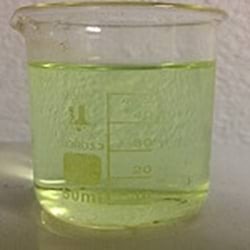
Sodium hypochlorite, for example, is widely used in commercial bleaching and disinfection applications. Although it contains chlorine in a chemical compound rather than existing as elemental chlorine gas, it represents an important downstream product in the broader chlorine industry.
Chlorine Gas Safety Requirements and Workplace Risks
Despite its industrial value, chlorine gas presents serious health and occupational safety concerns. Inhalation represents the primary exposure route, and exposure can affect the eyes, respiratory tract and lungs.
The severity of exposure depends on factors such as concentration, duration and individual circumstances. Workers in water treatment plants, chemical manufacturing facilities and other industrial environments may face occupational exposure risks.
According to the CDC, chlorine exposure can cause eye and respiratory irritation, coughing and breathing difficulties. More serious exposure can result in significant lung damage.
Understanding Workplace Exposure Risks
Industrial organisations must recognise several important hazards:
Respiratory exposure: Inhalation can irritate or damage respiratory tissues.
Eye irritation: Contact with chlorine gas can cause significant eye discomfort and injury.
Chemical reactions: Chlorine reacts with various substances, creating additional industrial hazards.
Equipment corrosion: Moisture and chlorine exposure can contribute to corrosion and material degradation.
Emergency exposure: Accidental releases can create dangerous conditions for employees and surrounding communities.
One important consideration is that chlorine's smell does not provide a dependable safety warning. Continued exposure can reduce a person's ability to recognise the odour, making proper monitoring and established safety systems essential.
Essential Industrial Safety Management
Businesses working with chlorine must establish formal safety programmes appropriate to their operations.
Important safety management elements include:
Risk assessments: Identify potential exposure scenarios and evaluate workplace hazards.
Professional training: Ensure employees understand site-specific risks, warning systems and emergency procedures.
Monitoring systems: Use appropriate workplace monitoring and detection arrangements managed by qualified professionals.
Equipment inspections: Maintain documented inspection programmes for relevant industrial systems.
Emergency planning: Establish evacuation arrangements, communication procedures and coordination with trained emergency responders.
Regulatory compliance: Follow applicable occupational health, environmental and hazardous-material transportation requirements.
Only appropriately trained and authorised industrial personnel should undertake activities involving chlorine gas. General employees and untrained individuals should not attempt to investigate or manage suspected releases.
Storage, Transportation and Supply Chain Considerations
Chlorine gas requires specialised industrial supply-chain management because of its toxic properties and transportation risks. Procurement decisions should account for safety, regulatory requirements and supplier capabilities rather than focusing exclusively on commercial pricing.
Industrial chlorine may move through specialised supply arrangements involving chemical manufacturers, distributors and authorised industrial customers.
Supplier Verification and Documentation
Before entering a procurement agreement, buyers should evaluate the supplier's ability to meet relevant quality and compliance requirements.
Important documentation includes:
Safety Data Sheet (SDS): Provides information about chemical hazards, exposure risks and relevant safety requirements.
Certificate of Analysis (COA): Documents the product's specified quality characteristics and test results.
Product specifications: Establishes the required chemical identity and applicable commercial quality standards.
Transport documentation: Supports regulatory compliance during the movement of hazardous materials.
Regulatory approvals: Demonstrates compliance with applicable local and international requirements.
Buyers should also confirm that suppliers maintain appropriate authorisations and work with qualified logistics providers.
Transportation and Logistics Compliance
Chlorine transportation requires specialised arrangements because it is classified as a hazardous material. Relevant transport regulations establish requirements for classification, packaging, documentation and emergency preparedness.
International shipments may involve different regulatory frameworks depending on the transport mode and destination.
For importers and exporters, checking these requirements before confirming an order helps reduce documentation delays and compliance problems.
Businesses should also assess supplier reliability, delivery commitments and the availability of qualified logistics support.
Factors Affecting Chlorine Gas Demand and Pricing
Chlorine demand connects multiple industrial sectors, meaning its commercial market responds to changes in downstream manufacturing and infrastructure activity.
Unlike some specialty chemicals, chlorine also has an important relationship with the production of other chemicals through the chlor-alkali industry.
Industrial Production and Downstream Demand
Several market factors influence chlorine consumption:
1. PVC manufacturing demand
Construction, infrastructure development and plastics manufacturing influence demand for PVC and its upstream chemical inputs.
2. Water treatment investment
Public infrastructure projects and industrial water management requirements support demand for chlorine-based disinfection systems.
3. Chemical manufacturing activity
Demand for chlorinated intermediates and other downstream chemicals contributes to overall industrial consumption.
4. Energy costs
Chlorine production through electrolysis requires significant electrical energy. Electricity prices therefore influence production economics and the commercial competitiveness of manufacturers.
5. Transportation and compliance expenses
Specialised logistics, hazardous-material transportation requirements and regulatory obligations contribute to the overall cost of supplying chlorine.
Regional Supply and Industrial Infrastructure
Chlorine markets also depend on the location of production facilities and nearby downstream consumers.
Because chlorine requires specialised transportation arrangements, industrial supply networks often benefit from proximity between producers and consuming facilities.
Regional differences in energy costs, industrial capacity and infrastructure investment can influence supplier competitiveness.
For international buyers, evaluating the complete delivered cost provides a more useful purchasing comparison than considering the quoted product price alone.
Environmental Considerations and Regulatory Compliance
Chlorine supports important public health and industrial applications, but its production and use require environmental oversight.
Regulatory authorities establish requirements covering occupational exposure, industrial emissions, hazardous-material transportation and environmental protection.
Responsible Industrial Operations
Companies should integrate environmental considerations into their chlorine management programmes.
Key areas include:
Environmental monitoring: Evaluate potential workplace and environmental exposure risks through appropriate professional monitoring programmes.
Regulatory reporting: Maintain records and complete applicable reporting obligations.
Waste management: Manage chlorine-containing industrial waste according to relevant environmental regulations.
Equipment integrity: Maintain appropriate inspection and maintenance programmes to reduce the risk of accidental releases.
Employee awareness: Provide regular training on chemical hazards and site-specific environmental responsibilities.
Water treatment facilities must also maintain appropriate control over their disinfection programmes to support water quality objectives.
International Safety Standards
Several recognised organisations provide information and guidance relevant to chlorine safety.
The US Occupational Safety and Health Administration (OSHA) maintains chemical hazard information and workplace exposure requirements. The National Institute for Occupational Safety and Health (NIOSH) also publishes occupational safety information and chemical hazard references.
International buyers should additionally consult the regulatory authorities responsible for workplace safety and hazardous-material transportation in their own jurisdictions.
What Procurement Teams Should Consider When Buying Chlorine
For procurement professionals, chlorine purchasing requires a combination of commercial evaluation, supplier assessment and regulatory awareness.
Because chlorine is a hazardous industrial chemical, buyers should establish clear procurement requirements before entering a supply agreement.
Consider the following factors:
Product identity: Confirm that the offered material matches the required chemical specification.
Supplier credentials: Evaluate the manufacturer's experience, business authorisations and compliance history.
Quality documentation: Request relevant COAs, SDS documents and supporting product information.
Regulatory compatibility: Verify that the proposed supply arrangement complies with destination-country requirements.
Logistics capabilities: Confirm that the supplier uses appropriately qualified hazardous-material transport providers.
Commercial transparency: Evaluate the complete delivered cost, including relevant transportation and compliance expenses.
Supply reliability: Assess the supplier's ability to maintain consistent contractual commitments.
Buyers should also distinguish between elemental chlorine gas and alternative chlorine-based products. Sodium hypochlorite, calcium hypochlorite and chlorine dioxide serve different applications and should not be treated as interchangeable materials.
Clear specifications help prevent purchasing errors and support better communication between suppliers, distributors and industrial customers.
The Outlook for Chlorine in Industrial Markets
Chlorine is expected to remain an important component of the global chemical manufacturing landscape because of its connection to water treatment, plastics and industrial chemical production.
Infrastructure development will continue to influence demand for PVC and other chlorine-derived materials. Meanwhile, water quality management and industrial disinfection requirements will maintain the relevance of chlorine-based technologies.
Environmental expectations and workplace safety standards will also influence how manufacturers manage chlorine throughout their operations.
For chemical traders and procurement managers, these developments create opportunities to strengthen supplier relationships, improve sourcing transparency and evaluate the wider chlorine derivatives market.
A successful procurement strategy should balance product quality, commercial competitiveness and regulatory responsibility. Companies that prioritise verified suppliers and documented compliance can make more informed decisions across the chlorine supply chain.
Sodium Hypochlorite
Found this useful?