
Citric Acid: Industrial Applications and Bulk Buyer Requirements
Citric acid plays an important role in several global manufacturing industries, from food and beverage production to industrial cleaning and pharmaceutical formulation. For bulk buyers, its value extends beyond acidity, as manufacturers also rely on its ability to regulate pH, bind certain metal ions and support product stability.
Citric acid is a versatile organic acid that suppliers commonly offer in anhydrous and monohydrate forms. Each form has distinct moisture characteristics, making product selection an important part of procurement. Buyers who understand application requirements, quality specifications, packaging options and delivery conditions can make better purchasing decisions while maintaining consistent production quality.
What Is Citric Acid and How Is It Produced?
Citric acid, with the chemical formula C₆H₈O₇, occurs naturally in citrus fruits, although commercial manufacturers produce most industrial supplies through fermentation. This process uses carbohydrate-based raw materials and selected microorganisms to produce citric acid, which manufacturers then recover, purify, crystallise and dry.
Commercial suppliers generally offer two principal solid forms:
Anhydrous citric acid: This form contains little residual water and suits applications where moisture content requires close control, including certain food formulations, dry mixes and pharmaceutical products.
Citric acid monohydrate: This form contains water of crystallisation and serves many food processing, beverage and general manufacturing applications where its properties meet the formulation requirements.
The two forms share the same core chemical identity but differ in water content and molecular weight. Buyers should confirm the required form before requesting quotations because substituting one for the other can affect formulation calculations and product performance.
Citric acid also comes in different particle sizes, including fine powder, fine granules and coarser granules. Particle size can influence dissolution speed, handling and suitability for automated production equipment.
Major Industrial Applications of Citric Acid
Citric acid serves a wide range of industrial purposes because manufacturers can use it to control acidity, improve formulation stability and manage mineral deposits. Its suitability depends on the required grade, the processing environment and the finished product's specifications.
Food and beverage manufacturing represents one of its largest application areas. Manufacturers use citric acid to adjust acidity, enhance tartness and help maintain the desired flavour profile in soft drinks, fruit beverages, confectionery, sauces, jams and processed foods.
Other important applications include:
Pharmaceutical manufacturing: Formulators use citric acid in selected medicinal preparations, effervescent products and pH-buffering systems. Pharmaceutical applications require careful control of purity, impurities and relevant compendial specifications.
Detergents and cleaning products: Citric acid helps remove mineral deposits and supports water-softening functions by binding certain metal ions. Manufacturers incorporate it into household cleaners, institutional cleaning formulations and descaling products.
Personal care and cosmetics: Formulators use citric acid to adjust pH in products such as shampoos, cleansers and selected skin-care preparations. The final concentration and formulation determine its suitability.
Water treatment and equipment maintenance: Citric acid can help remove mineral scale from suitable systems, including certain membrane-cleaning applications, when the equipment materials and cleaning procedure permit its use.
Textiles and metal treatment: Selected processes use citric acid for pH adjustment, metal-ion management or specialised cleaning operations, depending on the process chemistry.
These applications create demand across multiple buyer segments. However, a grade intended for one industry does not automatically satisfy the quality requirements of another.
How Grade Selection Affects Bulk Purchasing
Selecting the correct citric acid grade is one of the most important steps in procurement. A lower-priced material may not offer the required purity, impurity limits or documentation for a particular manufacturing process.
Buyers should distinguish between food grade, pharmaceutical grade and technical or industrial grade according to the intended application. Food manufacturers may require compliance with applicable food additive specifications, while pharmaceutical manufacturers may need material that meets a recognised pharmacopoeial standard.
Before placing an order, procurement teams should review these factors:
Purity and assay: Confirm the required assay range and the test method used to establish compliance with the product specification.
Moisture content: Match water-content requirements to the selected form, especially when buying anhydrous material for moisture-sensitive formulations.
Impurity limits: Review the applicable limits for heavy metals, sulfate, oxalate, ash and other specified impurities.
Physical properties: Confirm appearance, particle size and dissolution characteristics where these affect production.
Documentation: Request a Certificate of Analysis (COA), Safety Data Sheet (SDS) and relevant compliance documents for the intended market and use.
Buyers should evaluate these requirements before comparing quotations. A supplier offering the lowest price may not provide an equivalent product if the grade, specifications or documentation differ.

Bulk Buyer Requirements: Quantity, Packaging and Storage
Bulk purchasing requires coordination between production demand, order size, packaging capacity and delivery schedules. Buyers should calculate their requirements based on consumption rates, available warehouse space and the lead time needed to replenish inventory.
Citric acid commonly ships in lined bags, larger bulk bags and other supplier-approved packaging formats. A standard bag size may suit smaller manufacturers, while palletised or larger-volume shipments can help buyers manage repeated orders and warehouse handling.
Procurement teams should assess several logistical considerations:
Order quantity: Estimate monthly and quarterly consumption to determine whether spot purchases or scheduled deliveries offer a better fit.
Packaging suitability: Confirm that the packaging protects the product from moisture, contamination and damage during handling.
Transport arrangements: Review palletisation, container loading, shipment weight and destination-specific handling requirements.
Warehouse conditions: Store bags in a cool, dry area away from moisture and incompatible materials, following the supplier's storage guidance.
Inventory rotation: Track batch numbers and stock dates, then use a suitable first-in, first-out system to support orderly stock management.
Citric acid can absorb moisture under unsuitable storage conditions, potentially causing clumping and handling difficulties. Keeping packages sealed and protecting them from humid conditions helps preserve product quality throughout storage.
For importers, the purchasing decision should also account for customs documentation, applicable import requirements, freight costs, insurance and the delivery point specified in the quotation.
What Drives Citric Acid Prices in Bulk Markets?
Citric acid prices reflect several cost and supply factors rather than a single universal market rate. Procurement teams should assess the full delivered cost of a shipment instead of comparing the quoted unit price alone.
Raw material and manufacturing costs influence supplier pricing. Fermentation-based production depends on carbohydrate feedstocks, energy, processing efficiency and the cost of purification, crystallisation and packaging.
Other factors can also affect a buyer's final quotation:
Supplier availability: Changes in production capacity, maintenance schedules or export availability can affect lead times and the number of offers buyers receive.
Freight and logistics: Shipping rates, container availability, inland transport and destination handling can significantly change landed costs.
Order size: Larger orders may qualify for different pricing structures, although minimum quantities, packaging costs and freight arrangements vary by supplier.
Product specifications: Specialised grades, tighter impurity limits, certification requirements or particular particle sizes can affect pricing.
Currency and payment terms: Exchange-rate movements, credit arrangements and payment schedules can influence the total cost of international purchases.
Buyers should request quotations with consistent specifications and delivery terms. Comparing the same grade, quantity, packaging and destination creates a more meaningful assessment of competing offers.
For recurring requirements, negotiated supply agreements may help improve budget visibility and support production planning. Buyers should still review contract flexibility, delivery commitments and procedures for managing changes in demand.
Supply Chain Risks and Supplier Evaluation
A reliable citric acid supply chain depends on product consistency, clear documentation and dependable logistics. Even when the chemical itself is widely available, a delay or specification mismatch can disrupt production and create additional costs.
Supplier evaluation should cover more than price. Procurement teams need to establish whether a supplier can deliver the required grade consistently and respond effectively when orders, documentation or delivery schedules change.
Key checks include:
Specification consistency: Compare the supplier's product specification with the requirements approved by the production or quality team.
Batch documentation: Ensure the COA corresponds to the actual shipment batch and contains the relevant test results.
Traceability: Confirm that batch identification and shipment records support internal quality checks and any applicable audit requirements.
Delivery performance: Review quoted lead times, shipment updates, packaging quality and the supplier's process for handling delays.
Contingency planning: Where production depends on uninterrupted availability, assess alternative qualified suppliers and maintain inventory appropriate to operational needs.
Importers should also check whether the supplier can provide documents required by the destination country and the intended end-use industry. Requirements may vary by jurisdiction, so a certificate accepted for one market or application may not meet another buyer's needs.
A practical sourcing strategy combines supplier qualification with periodic performance reviews. This approach helps buyers identify recurring quality issues, monitor delivery reliability and reduce dependence on a single supply route.
Regulatory Compliance and Quality Documentation
Citric acid buyers must align purchasing decisions with the regulatory requirements of their industry and destination market. Food, pharmaceutical and industrial applications can involve different quality standards, labelling rules and documentation obligations.
For food applications, buyers should confirm that the material meets the relevant food additive requirements and that the supplier provides appropriate supporting documentation. Pharmaceutical manufacturers should specify the required pharmacopoeial standard and verify that the product meets the relevant monograph and internal quality requirements.
Industrial buyers should also review the SDS, appropriate handling procedures and any applicable transport or workplace safety requirements. Importers must determine which certificates, declarations and customs documents their destination market requires before shipment.
Documentation should form part of supplier qualification rather than an afterthought. Establishing these requirements early can reduce the risk of rejected shipments, customs delays and production interruptions.
How Buyers Can Build a More Effective Sourcing Strategy
A structured procurement process helps buyers balance price, quality and supply continuity. Rather than purchasing solely when inventory runs low, manufacturers can use consumption forecasts and supplier performance data to plan orders more effectively.
Consider the following steps when sourcing citric acid in commercial quantities:
Define the application. Identify the manufacturing process, intended use and grade requirements before approaching suppliers.
Prepare a technical specification. State the required form, purity, moisture limits, particle size and applicable quality standards.
Request comparable quotations. Specify the quantity, packaging, destination, delivery terms and required documentation in every request.
Evaluate the total landed cost. Include the product price, freight, insurance, duties, handling charges and other applicable costs.
Approve samples and documentation where needed. Ask the relevant quality team to review the material before approving a new supplier for routine purchases.
Plan repeat orders. Use demand forecasts, supplier lead times and stock levels to establish practical reorder points.
Buyers should also assess whether a supplier can accommodate changes in order size or delivery frequency. This flexibility can be valuable for manufacturers whose demand fluctuates seasonally or whose production schedules change throughout the year.
The Next Steps for Citric Acid Procurement Teams
Citric acid remains a versatile industrial ingredient with applications spanning food processing, pharmaceuticals, cleaning products, personal care and specialised manufacturing. For bulk buyers, successful procurement depends on matching the chemical's grade and physical form to the application while maintaining control over quality, documentation and logistics.
The most effective purchasing decisions combine competitive pricing with consistent specifications, dependable delivery and transparent supplier communication. Buyers who establish these requirements before negotiating can compare offers more accurately and build stronger long-term supply relationships.
As you plan your next purchase, prioritise suppliers that can demonstrate product consistency, provide batch-specific documentation and meet your delivery requirements.
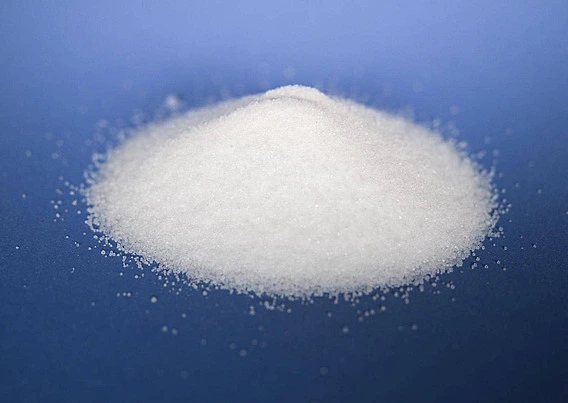
Citric Acid Monohydrate (E330)
Found this useful?