

Sulphuric Acid: Industrial Demand and Global Market Forecast
Sulphuric acid plays a central role in global manufacturing, with demand closely linked to fertilizer production, metal extraction and chemical processing. Its importance extends beyond traditional industrial applications as copper mining, battery materials and other resource-intensive industries create additional requirements for reliable acid supplies.
For chemical traders, importers and procurement managers, the sulphuric acid market presents a combination of dependable industrial consumption and changing supply conditions. Raw material availability, smelter operating rates, freight costs and regional demand can influence prices and trading opportunities, making supply planning an important part of purchasing decisions.
Understanding these market forces helps buyers evaluate suppliers, compare delivered costs and plan purchases around production schedules. As industrial demand develops through 2026 and beyond, sulphuric acid will remain an important commodity for businesses that depend on fertilizers, processed metals and chemical intermediates.
What Is Sulphuric Acid and Why Is It Important?
Sulphuric acid (H₂SO₄) is a strong mineral acid used in numerous industrial processes. Manufacturers value it for its ability to react with minerals, support chemical transformations and help produce materials required across agriculture, mining and manufacturing.
Producers generally manufacture sulphuric acid through two main routes:
Sulphur-burning production: Manufacturers burn elemental sulphur to generate sulphur dioxide, convert it into sulphur trioxide and absorb the resulting gas in a controlled process to produce sulphuric acid.
Smelter-based production: Metal smelters capture sulphur dioxide released during the processing of sulphide ores and convert it into sulphuric acid. This route links acid availability to copper and other non-ferrous metal production.
Some facilities also regenerate sulphuric acid from industrial streams. The production route matters to buyers because it influences operating costs, regional supply availability and the relationship between acid production and other commodity markets.
Fertilizer Production Remains the Main Demand Driver
Fertilizer manufacturing represents the most important source of global sulphuric acid demand. Producers use the acid to convert phosphate rock into phosphoric acid, a key intermediate in the production of phosphate fertilizers that support agricultural productivity.
Demand from this sector depends on several connected factors. Agricultural output requirements, fertilizer affordability, phosphate rock processing capacity and government trade policies can all influence how much acid fertilizer manufacturers purchase.
The main fertilizer-related demand drivers include:
Phosphoric acid production: Fertilizer manufacturers require substantial quantities of sulphuric acid to process phosphate rock and manufacture phosphoric acid.
Phosphate fertilizer consumption: Changes in agricultural demand influence fertilizer production schedules and therefore the need for industrial acid.
Capacity expansion: New or upgraded fertilizer facilities can increase regional consumption and create additional requirements for dependable supply contracts.
Export and trade policies: Restrictions or changes in phosphate fertilizer trade can alter plant operating rates and shift demand between producing regions.
Morocco, China and India are important participants in the sulphuric acid and phosphate fertilizer landscape. Investment in integrated production facilities can strengthen local supply, while changes in fertilizer output can affect demand for traded acid.
Mining and Metal Processing Create Additional Demand
Mining is another major source of sulphuric acid consumption. Copper producers use acid leaching processes to recover copper from suitable ores, while nickel producers rely on acid-intensive technologies for processing certain nickel-bearing materials.
The expansion of electric vehicles, battery manufacturing and electricity infrastructure has increased attention on metals such as copper and nickel. These industries can support additional acid demand when mining and refining operations expand, although the effect varies by region and processing technology.
Sulphuric acid also serves several other industrial markets:
Nickel and battery materials: Some nickel processing operations use sulphuric acid to recover nickel from ores and intermediate materials used in battery supply chains.
Uranium extraction: Certain uranium mining operations use acid leaching to separate uranium from suitable mineral deposits.
Titanium dioxide manufacturing: Producers use sulphuric acid in the sulphate process to manufacture titanium dioxide pigment for coatings, plastics and other applications.
Chemical manufacturing: Industrial plants use sulphuric acid in the manufacture of chemical intermediates and other products.
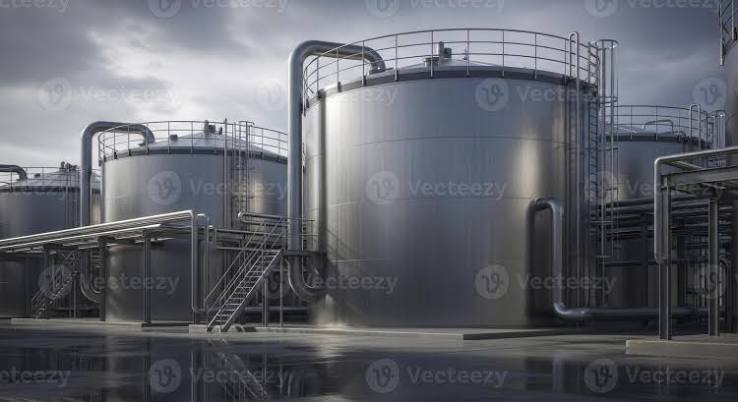
Global Supply Depends on Sulphur and Metal Industry Operations
Sulphuric acid supply follows two different industrial models. Sulphur-burning plants produce acid specifically for chemical and industrial markets, while smelter-based facilities generate acid as part of metal processing.
This distinction affects the way buyers assess availability. Smelter acid production depends partly on the volume of ore processed and the operation of metal facilities, so acid output may not respond directly to changes in acid prices.
Several factors shape global supply:
Elemental sulphur availability: Refineries and gas processing facilities supply much of the sulphur used by sulphur-burning plants. Disruptions to these supply chains can raise input costs and affect acid production.
Smelter operating rates: Maintenance, production cuts and changes in metal output can influence the quantity of by-product acid available for sale.
Regional production capacity: Integrated fertilizer and chemical complexes may consume much of their own output, leaving limited volumes for the merchant market.
Plant reliability: Equipment failures, scheduled maintenance and unplanned shutdowns can tighten local supply and increase the need for imported material.
Buyers should therefore distinguish between total regional production and the quantity actually available to independent purchasers. A region with substantial acid output may still require imports if integrated manufacturers consume most of the supply or if available grades do not meet buyer specifications.
Global Trade Routes and Regional Market Differences
International sulphuric acid trade helps connect producing regions with mining and industrial centers that cannot meet their own requirements. However, the merchant market represents only part of total global consumption, and transport economics can limit which destinations a supplier can serve competitively.
Chile and Peru are important examples of mining markets that rely on long-distance acid supply for copper extraction. Their purchasing needs can depend on local production, mine operating rates, shipping schedules and the availability of suitable import infrastructure.
Asia also plays a major role in sulphuric acid production and consumption. China and India have extensive fertilizer and chemical industries, while industrial development and metal processing across parts of Asia support additional demand.
Morocco occupies an important position because its phosphate fertilizer industry creates substantial acid requirements. Investment in domestic sulphur-burning capacity can reduce reliance on imported acid and change trade flows for exporters that previously served the market.
For traders, regional market analysis should consider more than headline production figures. Port access, vessel availability, inland transport, storage capacity and the distance between suppliers and consumers all influence the competitiveness of an offer.
What Influences Sulphuric Acid Prices?
Sulphuric acid prices reflect the interaction of production economics, regional supply and demand, transport costs and contract conditions. A price movement in one market does not necessarily translate into an equivalent change elsewhere because local supply arrangements and logistics can differ substantially.
The most important pricing factors include:
1. Sulphur and energy costs
Elemental sulphur prices influence the economics of sulphur-burning plants. Energy consumption, maintenance expenses and other operating costs also affect production economics, while changes in sulphur availability can create additional pressure on supply.
2. Smelter output and industrial activity
Because metal smelters produce sulphuric acid as a by-product, changes in copper and other metal production can affect acid availability. Strong metal output can increase by-product supply, while shutdowns or production cuts may tighten the market.
3. Fertilizer demand
Higher fertilizer production can increase acid consumption, particularly in phosphate processing. Seasonal agricultural demand and changes in fertilizer export policies can therefore influence purchasing activity.
4. Freight and handling costs
Sulphuric acid requires compatible storage, handling and transport arrangements. Shipping distance, port infrastructure, specialized equipment and inland delivery costs all contribute to the final price paid by the buyer.
5. Regional supply balances
A temporary shortage can raise prices in an import-dependent market even when other regions have sufficient material. Conversely, additional smelter output or weaker industrial demand can increase availability and place pressure on local prices.
Procurement teams should compare prices on a consistent delivered-cost basis. A lower quoted price may not provide the best commercial outcome if freight, handling, storage or quality-related requirements significantly increase the total purchase cost.
Supply Chain Risks and Procurement Challenges
Sulphuric acid procurement requires attention to both commercial conditions and the practical requirements of transporting a corrosive industrial chemical. Buyers need reliable supply arrangements, suitable storage infrastructure and clear product specifications to maintain continuity.
The main risks include:
Unexpected supply interruptions: Plant maintenance, smelter shutdowns and raw material shortages can reduce available volumes with limited notice.
Import dependence: Buyers in regions with limited domestic production may face longer lead times and greater exposure to freight disruptions.
Quality inconsistencies: Concentration, impurity levels and other specification differences can affect process performance and the suitability of a shipment for a particular application.
Logistics constraints: Storage compatibility, transport equipment, port facilities and unloading arrangements can limit the volume a buyer can receive at one time.
Contract uncertainty: Unclear delivery windows, quantity tolerances and quality acceptance terms can create disagreements between buyers and suppliers.
Before confirming an order, procurement managers should verify the required concentration, grade, quantity, packaging or bulk delivery method and destination-specific handling arrangements. They should also review the supplier's documentation, delivery record and ability to meet the agreed schedule.
Supplier diversification can reduce dependence on a single production facility or trade route. Where technically and commercially feasible, buyers can qualify alternative suppliers and establish contingency arrangements before a shortage develops.
Environmental Management and Industrial Efficiency
Environmental controls influence how sulphuric acid producers operate and invest in their facilities. Capturing sulphur dioxide from metal smelting and converting it into sulphuric acid can reduce uncontrolled emissions while creating a commercially useful industrial product.
Producers can also improve operating efficiency through equipment upgrades, better process control and acid regeneration systems. These measures can support resource efficiency, reduce waste and improve compliance with environmental requirements.
For buyers, sustainability assessment should focus on practical evidence rather than broad claims. Relevant considerations include emissions management, environmental permits, safe handling procedures, traceability and the supplier's ability to provide the documentation required by the purchasing organization.
Sulphuric acid's role in fertilizer production and mineral processing also connects the market to broader resource challenges. As demand for metals and agricultural inputs evolves, producers will need to balance dependable output with responsible industrial operations.
Sulphuric Acid Market Forecast for 2027 and Beyond
The longer-term outlook for sulphuric acid depends on the interaction between established industrial uses and emerging demand from metals and battery materials. Fertilizer production is likely to remain a central demand driver, while copper extraction, nickel processing and other industrial applications can create additional regional requirements.
Several developments will shape market conditions through 2027 and beyond:
Fertilizer capacity and agricultural demand: Changes in phosphate fertilizer production will remain important for overall acid consumption.
Expansion of mining and refining: New copper and nickel projects can increase demand in regions where acid leaching plays a major role.
Changes in smelter supply: New metal-processing capacity may increase by-product acid availability, while operational disruptions can tighten supply.
Regional production investment: Integrated chemical and fertilizer facilities may reduce import requirements in some markets while redirecting exports toward other destinations.
Supply chain resilience: Buyers and suppliers will place continued emphasis on reliable logistics, inventory planning and flexible procurement arrangements.
The outlook will not be uniform across all regions. A market supported by new smelter output may experience greater acid availability, while an import-dependent mining region could face tighter conditions if freight capacity or supplier output declines.
For traders, these differences create opportunities to match available supply with specific regional demand. For industrial buyers, the most effective strategy combines market monitoring with supplier qualification, realistic delivery schedules and purchasing plans that reflect actual consumption.
What Procurement Teams Should Do Now
Chemical buyers should treat sulphuric acid as a strategically important input rather than relying solely on spot-market availability. Regular reviews of supplier capacity, regional pricing and logistics conditions can help businesses anticipate disruptions and maintain production continuity.
A practical procurement approach should include three priorities:
Secure dependable supply: Evaluate suppliers based on quality consistency, available volumes, delivery performance and the suitability of their transport arrangements.
Monitor market signals: Track sulphur prices, smelter activity, fertilizer production and freight conditions to identify potential changes in supply and purchasing costs.
Strengthen purchasing flexibility: Consider alternative suppliers, appropriate inventory levels and contract terms that reflect changing operational requirements.
The sulphuric acid market will continue to respond to fertilizer demand, metal production and the economics of industrial supply. Buyers that understand these connections can make better sourcing decisions, manage costs more effectively and respond more confidently to changing market conditions.

Sulphuric Acid (60%)
Found this useful?