Hydrogen Peroxide: Storage, Handling and Transportation Requirements
Hydrogen peroxide is widely used in industrial bleaching, water treatment and chemical manufacturing, but its strong oxidizing properties make safety a central concern throughout the supply chain. For chemical traders, importers and procurement managers, understanding hydrogen peroxide storage, handling and transportation requirements helps reduce operational risk and supports responsible purchasing decisions.
Hydrogen peroxide is a colorless chemical that can decompose into water and oxygen while releasing heat. Its behavior depends on factors such as concentration, contamination and exposure conditions, making product specifications and supplier documentation important considerations for every commercial transaction.
From supplier selection to delivery documentation, businesses need a consistent approach to chemical safety. Procurement teams should work with qualified suppliers and logistics providers who understand the product's hazards and follow the applicable safety requirements.
1. Understanding Hydrogen Peroxide and Its Industrial Uses
Hydrogen peroxide (H₂O₂) is an oxidizing chemical supplied commercially in aqueous solutions at different concentrations. Industries select a grade and concentration according to the intended application, technical requirements and relevant quality standards.
Its ability to oxidize other substances supports a wide range of industrial processes. Common applications include:
Pulp and paper: Manufacturers use hydrogen peroxide in bleaching processes to improve brightness and meet product specifications.
Textiles: Textile processors use it as a bleaching agent during fabric preparation and finishing.
Water and wastewater treatment: Operators use appropriate peroxide-based treatments in selected processes to address specific water-quality requirements.
Chemical manufacturing: Producers use hydrogen peroxide as a reagent or processing chemical in various applications.
Industrial cleaning: Certain facilities use compatible formulations in cleaning and sanitation processes.
The application determines the required concentration, grade and impurity limits. Buyers should confirm these details before requesting quotations because products with different specifications may not be interchangeable.
2. Why Hydrogen Peroxide Requires Special Safety Attention
Hydrogen peroxide presents hazards that extend beyond ordinary liquid storage. Although it does not burn like a conventional flammable liquid, it acts as a powerful oxidizer and can intensify combustion when it contacts incompatible materials.
Concentration also influences the severity of exposure. Contact with stronger solutions can cause serious eye damage, skin burns and respiratory irritation, while mist or vapor exposure may affect workers in poorly controlled environments.
Three important considerations shape the chemical's safety profile:
Decomposition: Hydrogen peroxide can break down and release oxygen and heat. Conditions that accelerate decomposition can create additional pressure and fire hazards.
Material compatibility: Certain metals, contaminants and organic substances can react with hydrogen peroxide. Compatibility must therefore be established for the specific product and equipment.
Human exposure: Contact with the eyes or skin and inhalation of airborne mist can cause injury. Facilities need suitable controls, trained personnel and appropriate emergency arrangements.
These properties make formal safety management essential. A general-purpose container, ordinary handling procedure or unqualified carrier should never substitute for equipment and arrangements approved for the specific chemical.
3. Storage Compliance and Facility Responsibilities
Hydrogen peroxide storage requires a facility designed around the product's concentration, compatibility requirements and applicable local regulations. Buyers should verify that their supplier and receiving facility have documented arrangements appropriate for the material.
Storage decisions should follow the manufacturer's Safety Data Sheet (SDS) and guidance from qualified chemical safety professionals. These documents establish the relevant hazards, compatibility restrictions and conditions that the facility must address.
Procurement teams should verify that the responsible facility has assessed:
Equipment compatibility: Storage systems and associated components must suit the supplied grade and concentration.
Contamination prevention: The facility needs controls that reduce the possibility of contact with incompatible substances.
Environmental conditions: The storage assessment should address relevant temperature conditions, ventilation and other factors that could affect product stability.
Emergency readiness: Site procedures should cover accidental releases, exposure incidents and escalation to trained emergency personnel.
Access and oversight: Appropriate site controls should prevent unauthorized access and ensure that trained staff manage the material.
Storage compliance is not simply a warehouse responsibility. Buyers should include safety and facility capability in supplier qualification, particularly when purchasing for a site that has not previously received the chemical.

4. Handling Procedures and Worker Protection
Hydrogen peroxide handling should take place only within an established workplace safety system. Employers need to ensure that personnel understand the product's hazards, receive appropriate training and have access to the protective equipment and emergency facilities specified by the applicable risk assessment.
The SDS provides the starting point for determining the necessary controls. Protective equipment should match the concentration and exposure risk rather than rely on a generic chemical-handling checklist.
Key responsibilities for businesses include:
Training and authorization: Only appropriately trained and authorized personnel should undertake tasks involving the chemical.
Personal protective equipment: Employers should select suitable eye, face, skin and respiratory protection according to the documented assessment and applicable requirements.
Exposure prevention: Facilities should assess the need for engineering controls, suitable ventilation and emergency washing facilities.
Equipment inspection: Responsible personnel should follow approved inspection and maintenance programs for equipment that comes into contact with the product.
Incident reporting: Staff should know how to report suspected contamination, equipment damage, leaks and potential exposure without delay.
Businesses should not improvise handling procedures or use equipment whose compatibility remains uncertain. Any abnormal condition requires assessment by qualified personnel under the site's established emergency procedures.
5. Transportation Requirements for Chemical Shipments
Transporting hydrogen peroxide involves more than selecting a carrier and arranging delivery. Classification, packaging, marking, documentation and carrier acceptance requirements can depend on the product's concentration and the regulations governing the route.
International shipments may involve road, sea, rail or air transport, each with its own applicable requirements. The shipper and logistics provider should determine the correct transport classification using the current SDS and relevant dangerous-goods rules.
Before dispatch, commercial teams should confirm that the shipment documentation identifies the product correctly and that the selected carrier accepts the specific material. Packaging and transport equipment must meet the applicable requirements for that classification.
Transport planning should also account for the following business considerations:
Carrier qualifications: Confirm that the logistics provider can legally and safely handle the relevant regulated chemical shipment.
Documentation consistency: Ensure that product identity, concentration, quantity and shipping details agree across the relevant commercial and transport records.
Route and destination requirements: Check applicable restrictions, permits and receiving-site arrangements before confirming dispatch.
Emergency preparedness: Establish how the carrier and responsible parties will communicate and respond if an incident occurs.
Delivery coordination: Ensure the receiving facility has the necessary authorization and capability to accept the shipment.
A shipment should not proceed when required documentation is missing, the classification is uncertain or the receiving arrangements are unsuitable. Resolving these issues before dispatch can reduce delays, rejected deliveries and avoidable compliance costs.
6. Supplier Documentation and Regulatory Compliance
Reliable documentation helps buyers confirm what they are purchasing and whether the product meets their operational requirements. For hydrogen peroxide, procurement teams should evaluate the supplier's technical information alongside its commercial offer.
The most useful documents include:
Safety Data Sheet: Explains the chemical's hazards, relevant safety precautions, first-aid information and regulatory considerations.
Certificate of Analysis (CoA): Provides batch-specific test results for agreed product specifications.
Product specification sheet: Identifies the grade, concentration and relevant quality parameters.
Transport documentation: Records the information required for the applicable shipment classification and route.
Supplier quality records: Help buyers assess consistency, traceability and the supplier's ability to meet contractual requirements.
Regulatory responsibilities may involve national chemical safety rules, workplace requirements and international dangerous-goods frameworks. Importers and exporters should identify which requirements apply in the countries of origin, transit and destination rather than assume that one document or certification covers every jurisdiction.
Procurement teams should also maintain clear batch and shipment records. This supports traceability when a delivery fails to meet specifications or a safety concern requires investigation.
7. Supply Chain Risks and Procurement Decisions
Hydrogen peroxide purchasing decisions can affect production continuity, compliance costs and delivery reliability. A low quotation may offer limited value if the supplier cannot provide the required grade, documentation or shipment arrangements.
Buyers should evaluate suppliers against a consistent set of commercial and operational criteria. The assessment should consider product quality, documentation, delivery capability and the supplier's approach to chemical safety.
Several risks deserve particular attention:
Specification mismatches: A concentration or grade that does not match the production requirement can disrupt operations or compromise product quality.
Documentation gaps: Incomplete safety or shipping records can delay customs clearance, carrier acceptance or site approval.
Logistics limitations: Not every carrier or warehouse can accommodate every regulated chemical shipment.
Supplier inconsistency: Weak batch traceability or variable quality can complicate production planning and incoming inspection.
Unclear responsibility: Poor coordination between the supplier, freight provider and buyer can leave critical compliance tasks unresolved.
Procurement teams can reduce these risks by qualifying suppliers before placing orders, defining documentation requirements in purchase contracts and agreeing on responsibilities for shipment preparation and delivery.
8. What Procurement Teams Should Confirm Before Ordering
A structured purchasing review helps businesses assess whether a hydrogen peroxide supplier can meet both commercial and safety requirements. The review should involve procurement, quality assurance, site safety and logistics personnel where appropriate.
Before confirming an order, check that:
The product concentration and grade match the intended application.
The supplier provides current safety documentation and the agreed quality records.
The receiving facility can accept the product under its applicable safety and regulatory requirements.
The proposed carrier and shipment documentation meet the rules for the transport route.
Responsibilities for delivery coordination, incident communication and documentation are clearly assigned.
These checks help buyers compare suppliers on more than price alone. They also support better planning, more consistent quality control and fewer avoidable shipment disruptions.
Hydrogen peroxide remains a valuable industrial chemical, but responsible procurement depends on treating safety and compliance as essential parts of the transaction. Businesses that prioritize qualified suppliers, accurate documentation and capable logistics partners can make better-informed purchasing decisions.
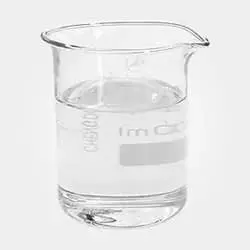
Hydrogen Peroxide (35%) - Thailand
SOURCE LINK: https://www.cdc.gov/niosh/npg/npgd0335.html
Found this useful?