
Sodium Metabisulfite: Applications in Water Treatment and Industrial Processing
Sodium metabisulfite plays an important role in industrial water treatment, where removing residual chlorine can protect sensitive equipment, support wastewater management and improve process control. For chemical traders and procurement teams, demand for this compound connects water treatment operations with industries such as textiles, pulp and paper, mining and chemical manufacturing.
Sodium metabisulfite (Na₂S₂O₅) is a white crystalline inorganic compound that acts as a reducing agent. When dissolved in water, it forms bisulfite species that react with chlorine and other oxidising agents. This chemical behaviour makes it useful in applications where operators need to control oxidation, protect downstream processes or manage specific treatment requirements.
Understanding its applications, grade requirements, storage conditions and supply considerations helps buyers select suitable material for their operations while maintaining consistent quality and reliable procurement.
What Is Sodium Metabisulfite and Why Does Industry Use It?
Sodium metabisulfite, also known as sodium pyrosulfite, is a sulfur-based chemical with the formula Na₂S₂O₅. Manufacturers supply it mainly as a solid crystalline powder or granular material, which users can dissolve to prepare solutions for industrial processes.
Its main industrial value comes from its reducing properties. The compound reacts with certain oxidising substances, allowing operators to remove unwanted oxidants or control chemical reactions in a production system.
Several characteristics make sodium metabisulfite commercially useful:
Water solubility: Operators can prepare aqueous solutions for controlled chemical dosing.
Dechlorination capability: The compound helps remove residual chlorine from water before discharge or further processing.
Oxygen control: Under suitable conditions, it can help remove dissolved oxygen from process water and boiler feedwater systems.
Process versatility: Manufacturers use it in selected textile, mining, pulp and paper, leather processing and chemical manufacturing applications.
The appropriate grade depends on the intended use. Water treatment facilities, food processors and industrial manufacturers may require different purity levels, impurity limits and regulatory documentation.
Sodium Metabisulfite Applications in Water Treatment
Water treatment represents one of the most important applications for sodium metabisulfite. Treatment plants often use chlorine to disinfect water, but residual chlorine can interfere with later processing stages or create problems when treated wastewater enters receiving environments.
Sodium metabisulfite helps address this issue through dechlorination, the process of reducing residual chlorine before water moves to another treatment stage or leaves a facility.
Common applications include:
Municipal wastewater treatment: Operators can reduce residual chlorine in treated effluent before discharge, subject to the facility's treatment requirements and applicable limits.
Industrial wastewater management: Factories can use the chemical to remove excess chlorine from process streams before further treatment.
Reverse osmosis pretreatment: Water treatment systems use sodium metabisulfite to neutralise free chlorine before water reaches chlorine-sensitive reverse osmosis membranes.
Process water preparation: Industrial facilities may use it to control oxidising agents that interfere with production or downstream chemical processes.
Correct dosing remains essential. Too little chemical can leave unwanted chlorine in the water, while excessive dosing can consume dissolved oxygen and affect downstream water quality. Operators should establish dosing requirements through water analysis, process design and residual monitoring rather than relying on a fixed quantity for every application.
Industrial Processing Uses Beyond Water Treatment
Although water treatment is a major market, sodium metabisulfite also serves several industrial processing functions. Its reducing action supports operations that require the removal of oxidants or the control of oxidation-sensitive materials.
The compound has established applications across multiple sectors.
Textile manufacturing: Textile processors use sodium metabisulfite in selected bleaching, cleaning and dyeing operations. It can support reducing treatments and help remove certain unwanted oxidising residues, depending on the fibre and process chemistry.
Pulp and paper production: Manufacturers use it in selected pulp processing and water treatment operations. Its reducing properties can support specific process requirements where operators need to control residual oxidants.
Mining and mineral processing: Some mining operations use sodium metabisulfite in mineral processing and the treatment of certain chemical streams. Depending on the process, it can help destroy cyanide under controlled conditions or support other reduction reactions.
Leather processing: Tanneries may use the compound in selected treatment stages involving process water and tanning-related materials.
Chemical manufacturing: Producers use sodium metabisulfite as a reducing agent in certain reactions and purification steps. Its suitability depends on the target reaction, the presence of competing chemicals and the required final product specifications.

How Sodium Metabisulfite Supports Reverse Osmosis Systems
Reverse osmosis systems rely on membranes that separate dissolved substances from water. Many commonly used membrane materials are sensitive to free chlorine, which can damage membrane performance and reduce the system's ability to reject dissolved salts.
Sodium metabisulfite helps protect these membranes by reducing residual chlorine in the incoming water. Operators typically introduce a prepared solution at a controlled point in the pretreatment line, allowing sufficient contact time and mixing before water reaches the membranes.
Effective operation depends on more than the chemical itself. Procurement teams and plant operators should consider:
Incoming water quality: Chlorine concentration and other oxidising substances influence treatment requirements.
Dosing system performance: Pumps, injection points and mixing equipment must support consistent chemical delivery.
Residual monitoring: Operators should verify chlorine removal before water enters the membrane system.
Solution preparation: Water quality, concentration and solution age can affect performance.
Prepared sodium metabisulfite solutions can lose strength as they react with oxygen in the air. Facilities should therefore establish suitable preparation, storage and use procedures with their chemical supplier and treatment-system provider.
Key Factors That Influence Sodium Metabisulfite Purchasing
For B2B buyers, product selection requires more than comparing quoted prices. A material that fails to meet the site's purity or impurity requirements can create additional treatment costs, process interruptions and quality problems.
Before confirming an order, procurement teams should evaluate several specifications.
Purity and assay: Check the declared sodium metabisulfite content against the requirements of the intended application.
Impurity limits: Review relevant limits for iron, chloride, heavy metals, insoluble matter and other specified contaminants.
Physical form: Confirm whether powder, crystals or granules best suit the facility's dissolution and dosing equipment.
Packaging format: Assess bag sizes, bulk packaging options and handling requirements based on expected consumption.
Documentation: Request a certificate of analysis, safety data sheet and applicable technical specifications.
Regulatory suitability: Confirm that the product meets relevant requirements for the destination market and intended use, especially in drinking water or food-related applications.
Buyers should also distinguish between industrial-grade and higher-purity material. A grade suitable for one manufacturing process may not meet the requirements of another, even when both products share the same chemical name.
Sodium Metabisulfite Supply Chains, Storage and Handling
Reliable supply matters to facilities that use sodium metabisulfite continuously. Water treatment plants and industrial manufacturers may depend on scheduled deliveries to keep dosing systems operating and avoid disruptions to production.
International procurement can introduce additional considerations, including freight costs, lead times, packaging integrity and customs documentation. Buyers should compare the full delivered cost rather than relying solely on the quoted price per tonne.
Storage conditions also affect product quality. Sodium metabisulfite can react with moisture and oxygen, so suppliers and end users should maintain appropriate storage controls.
Good procurement and inventory practices include:
Store solid material in tightly closed, moisture-resistant packaging in a cool, dry and well-ventilated area.
Keep containers protected from incompatible substances and follow the supplier's safety data sheet.
Inspect packaging upon receipt for damage, moisture exposure or signs of contamination.
Rotate inventory using a first-in, first-out approach while respecting the supplier's stated shelf life.
Prepare solutions in quantities suited to operational demand and follow supplier guidance on solution stability.
Facilities should also train employees in safe chemical handling and provide suitable protective equipment. Sodium metabisulfite can release sulfur dioxide under certain conditions, particularly when it contacts acids, so buyers should verify chemical compatibility and storage arrangements before introducing it into a facility.
Market Outlook and Opportunities for Chemical Traders
Demand for sodium metabisulfite connects closely with industrial water management, manufacturing activity and the need to control chemical residues. As facilities maintain wastewater treatment systems and expand membrane-based water purification, the compound remains relevant to buyers seeking dependable reducing agents for established processes.
Several factors can shape purchasing activity across regional markets:
Industrial water treatment investment: New treatment capacity and upgrades to existing plants can create recurring demand for dechlorination chemicals.
Manufacturing activity: Textile, paper, mining and chemical production facilities require materials that support their specific processing needs.
Membrane protection requirements: Reverse osmosis installations need suitable pretreatment chemicals to protect sensitive equipment from oxidants.
Supply reliability: Buyers increasingly need predictable delivery schedules, consistent specifications and clear documentation when purchasing industrial chemicals across borders.
For exporters and distributors, opportunities depend on identifying customers with compatible technical requirements and building relationships around consistent product quality. Suppliers that provide clear specifications, responsive technical support and dependable logistics can offer more value than those competing on price alone.
Procurement teams should also monitor changes in freight costs, regional availability and supplier lead times. Maintaining qualified alternative suppliers can help reduce dependence on a single source, particularly when a facility relies on continuous chemical dosing.
What Procurement Teams Should Prioritise When Sourcing
A sound purchasing strategy balances product quality, operational requirements, supply continuity and total cost. Buyers should begin by defining the application's technical specifications, then compare supplier offers against those requirements.
Before placing an order, procurement teams should confirm:
Application suitability: Ensure the selected grade meets the intended water treatment or industrial processing requirements.
Quality consistency: Review certificates of analysis and establish acceptable specification limits for repeat orders.
Supplier reliability: Assess production capacity, delivery history, packaging standards and the ability to support recurring demand.
Commercial terms: Compare minimum order quantities, payment terms, freight costs and delivery schedules.
Safe handling requirements: Confirm that storage, transport and workplace procedures align with the product's safety documentation.
Buyers should avoid choosing a product solely because it offers the lowest initial price. Consistent quality, effective dosing performance and reliable delivery can have a greater impact on overall operating costs.
Sodium metabisulfite remains a practical chemical for water treatment and a range of industrial processes because of its reducing properties and versatility. For traders, importers and end users, careful grade selection and supplier evaluation help support dependable operations and stronger procurement decisions.
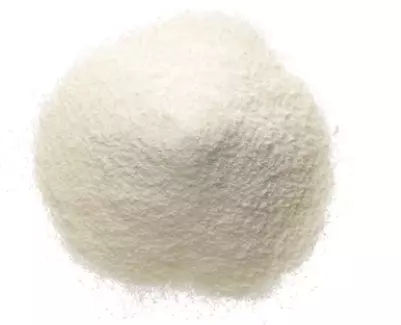
Sodium Metabisulfite (E223)
Found this useful?