
Citric Acid Supply Tightness: What Buyers Should Watch in 2026
Citric acid markets are entering 2026 under pressure from rising fermentation feedstock costs and tighter supplier availability. Buyers across food processing, pharmaceuticals and industrial cleaning are adjusting procurement strategies as spot market volatility pushes more traders toward multi-year supply agreements.
The shift reflects broader challenges in the supply chain for fermentation-based organic acids. Raw material expenses for corn, molasses and other substrates have climbed steadily since late 2024, compressing margins for producers and limiting the flexibility that buyers traditionally enjoyed in spot transactions.
Citric acid remains one of the most widely consumed organic acids globally, used as an acidulant, preservative, flavor enhancer and chelating agent. Its production depends almost entirely on microbial fermentation using Aspergillus niger, making it highly sensitive to feedstock input costs and energy prices.
Why Feedstock Costs Are Driving Contract Behavior
Fermentation-based production of citric acid relies on carbohydrate-rich substrates, primarily corn starch and cane molasses. Price increases in these raw materials have a direct and immediate impact on production economics.
Corn prices in major exporting regions including the United States and Brazil have remained elevated due to weather disruptions and competing demand from ethanol and animal feed sectors. Molasses availability has also tightened as sugar production volumes fluctuate with global demand patterns.
These input cost pressures are not temporary. Producers are passing them through to buyers in the form of higher contract floor prices and shorter price validity windows on spot offers.
Traders who previously operated on quarterly or even monthly procurement cycles are now negotiating six-month to twelve-month agreements with producers to lock in pricing and secure allocation. This represents a significant behavioral shift in a market that historically favored flexibility and opportunistic buying.
Global Production Landscape and Supplier Concentration
China dominates global citric acid production, accounting for over 70% of total output. Major production hubs are concentrated in Shandong, Jiangsu and Anhui provinces, where large-scale fermentation facilities benefit from proximity to corn and cassava feedstock sources.
European production capacity has declined over the past decade as manufacturers shifted operations to Asia to lower costs. A handful of plants remain active in Belgium, the Netherlands and Italy, but their combined output represents a small fraction of global supply.
Thailand and Indonesia have expanded citric acid production in recent years, leveraging competitive access to tapioca and molasses. These origins are gaining traction with buyers seeking to diversify away from single-country dependence.
The concentration of production in China creates inherent supply risk. Export controls, environmental compliance campaigns and energy rationing policies have all disrupted output in the past. Buyers are increasingly factoring these risks into sourcing decisions.
Demand Drivers Across Key End-Use Sectors
Food and beverage applications account for the largest share of citric acid consumption globally. The compound functions as an acidity regulator, preservative and flavor modifier in carbonated drinks, jams, candies, dairy products and processed foods.
Pharmaceutical manufacturers use citric acid as an excipient, buffering agent and effervescent ingredient in tablets and oral solutions. Demand from this sector remains stable and is less price-sensitive than industrial applications.
Industrial uses include chelation in detergents, water treatment formulations and metal cleaning products. This segment is more responsive to price fluctuations and substitution pressure from alternatives such as gluconic acid or phosphonates.
Growth in plant-based and functional foods is supporting incremental demand for citric acid as formulators seek clean-label acidulants. This trend is particularly visible in North America and Western Europe.

How Pricing Dynamics Are Shifting in 2026
Spot pricing for citric acid has displayed unusual volatility over the past twelve months. Quotes from Chinese exporters fluctuated by as much as 15% within single quarters, reflecting rapid changes in feedstock costs and production run rates.
Contract pricing structures are evolving in response. Suppliers are offering fixed-price agreements with shorter durations or introducing formula-based pricing linked to corn or molasses indices. Both approaches aim to reduce margin exposure for producers while providing buyers with some cost predictability.
Freight and logistics costs continue to add unpredictability. Container rates from Asia to Europe and North America remain above pre-pandemic levels, and port congestion intermittently delays shipments.
Buyers with strong credit profiles and volume commitments are securing better pricing terms. Small and mid-sized importers face steeper premiums and limited negotiating leverage as suppliers prioritize larger accounts.
Regional Trade Flows and Import Patterns
China exports the majority of its citric acid production to Europe, North America, Southeast Asia and Latin America. The European Union is the largest single import market, driven by food processing industries in Germany, France, Poland and Spain.
The United States imports substantial volumes despite domestic production capacity. Price competitiveness from Asian suppliers and the decline of local manufacturing have made imports the preferred sourcing route for many buyers.
Middle Eastern and African markets are growing importers as food processing sectors expand. Demand in these regions is met primarily by Chinese and Thai suppliers.
India has emerged as both a producer and importer. Domestic production serves local pharmaceutical and food industries, but imports are required to meet peak seasonal demand and fill quality specification gaps.
Regulatory and Quality Compliance Considerations
Citric acid used in food and pharmaceutical applications must meet stringent purity and safety standards. European buyers require compliance with EU food additive regulations and expect suppliers to provide batch-specific certificates of analysis.
The United States Food and Drug Administration classifies citric acid as Generally Recognized As Safe (GRAS), but importers must ensure suppliers follow current Good Manufacturing Practices (cGMP) for pharmaceutical-grade material.
Some buyers are requesting non-GMO certifications, particularly for citric acid derived from corn-based feedstocks. This adds complexity to sourcing and narrows the supplier base.
Traceability is becoming a non-negotiable requirement. Buyers want full documentation of feedstock origin, fermentation process controls and finished product testing to mitigate contamination risks and support audit readiness.
Supply Chain Risks Buyers Cannot Ignore
Geopolitical tensions and trade policy shifts pose ongoing risks to citric acid supply chains. Tariff adjustments, export licensing requirements or sudden policy changes in China can disrupt availability and pricing with little warning.
Environmental regulations in China have led to temporary plant shutdowns and production curtailments in the past. Buyers should assess whether their suppliers have demonstrated compliance with local emissions and waste treatment standards.
Feedstock shortages or price spikes can cause producers to reduce output or prioritize domestic sales over export commitments. Buyers relying on single suppliers or single-origin sourcing face heightened exposure to these scenarios.
Logistics bottlenecks remain a risk factor. Port strikes, container shortages and customs delays can extend lead times and inflate landed costs.
What Procurement Teams Should Do Now
Buyers should evaluate current inventory levels and consider building strategic stock to buffer against supply disruptions. Holding an additional 30 to 60 days of coverage can provide critical flexibility.
Engaging in early contract negotiations for 2026 and 2027 is advisable. Suppliers are more willing to discuss favorable terms before peak demand periods and feedstock cost increases take hold.
Diversifying the supplier base across geographies reduces concentration risk. Working with producers in China, Thailand and potentially India or Brazil can improve resilience.
Requesting transparency on feedstock sourcing and cost indexing mechanisms helps buyers understand pricing drivers and anticipate future adjustments. Suppliers willing to share this information are generally more reliable partners.
Establishing relationships with multiple traders and direct producers creates optionality. Buyers who rely exclusively on a single intermediary may find themselves with limited recourse during supply crunches.
Market Outlook for the Next 18 Months
Citric acid supply is expected to remain tight through the first half of 2026 as feedstock costs stabilize at elevated levels. Producers are unlikely to expand capacity aggressively given uncertain demand growth and margin pressures.
Long-term contracts will likely become the norm rather than the exception. Buyers who resist this shift may face higher spot prices and reduced product availability during peak periods.
Sustainability considerations are beginning to influence supplier selection. Producers investing in waste reduction, renewable energy and feedstock traceability may gain a competitive edge with multinational buyers.
Substitution risk is low in most applications. Citric acid's functionality, safety profile and regulatory acceptance make it difficult to replace in food and pharmaceutical formulations.
Price trends will track feedstock markets closely. Buyers should monitor corn and molasses futures as leading indicators of citric acid pricing direction.
The Bottom Line for Procurement Teams
The citric acid market is undergoing a structural shift toward longer-term supplier relationships driven by feedstock cost volatility and production concentration risks. Buyers who adapt their strategies to favor contract commitments, supplier diversification and inventory buffers will be better positioned to manage costs and secure reliable supply.
Spot market opportunism is becoming less viable. Procurement teams must weigh the trade-offs between price flexibility and supply certainty in an environment where both are increasingly difficult to achieve simultaneously.
Ready to source citric acid from verified global suppliers? Explore competitive offers on our platform today.
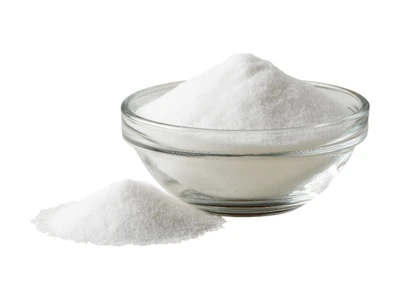
Citric Acid Anhydrous (E330)
Found this useful?