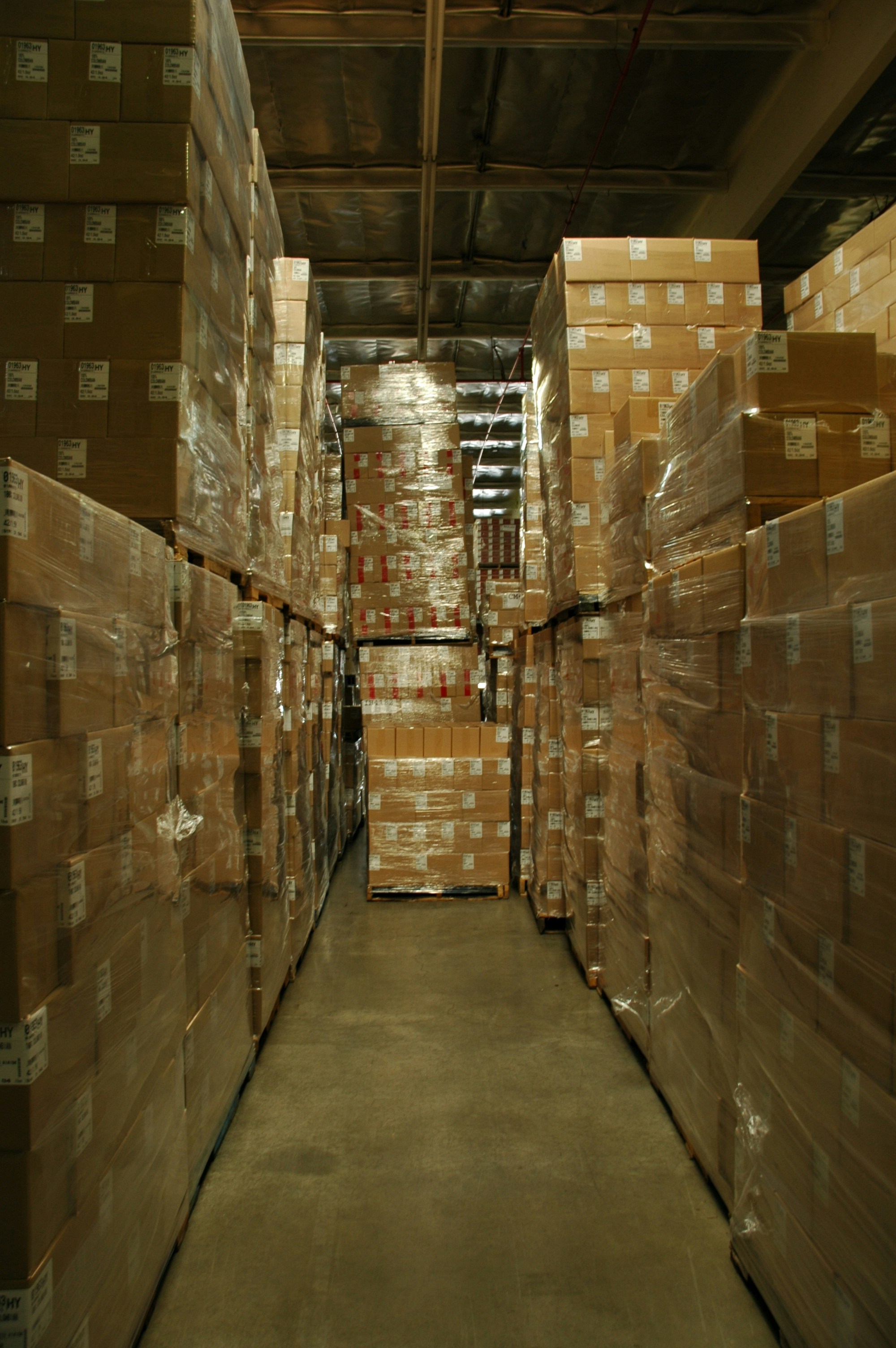
Cold Chain Logistics for Specialty Chemicals: Storage and Transport
Cold Chain Logistics for Specialty Chemicals: Storage, Transportation and Quality Requirements
Specialty chemicals are used in industries where product consistency, purity and performance are essential. These materials support pharmaceutical manufacturing, electronics, coatings, adhesives, polymers, agriculture, cosmetics and other industrial applications. However, some specialty chemicals are sensitive to temperature fluctuations and may deteriorate when exposed to unsuitable storage or transportation conditions.
For these products, cold chain logistics is more than simply keeping materials refrigerated. It involves maintaining specified environmental conditions throughout storage, handling, packaging and transportation. Temperature deviations can affect chemical stability, viscosity, solubility, reaction behaviour, shelf life and overall product quality.
As global chemical supply chains become more complex, manufacturers and distributors need reliable temperature-control systems to protect sensitive materials during distribution. Understanding storage specifications, transportation requirements, monitoring procedures and quality controls is essential for maintaining product integrity.
What Is Cold Chain Logistics for Specialty Chemicals?
Cold chain logistics refers to the controlled storage and transportation of materials that require specific temperature conditions to maintain their quality and stability.
In specialty chemical distribution, the required temperature depends on the individual product. Some materials may require refrigerated storage, while others need frozen conditions or protection from excessive heat. Certain chemicals may only require controlled ambient temperatures rather than refrigeration.
Examples of temperature-sensitive specialty chemicals include:
Selected pharmaceutical intermediates
Enzymes and biological materials
Certain catalysts and catalyst formulations
Temperature-sensitive resins and adhesives
Selected polymer emulsions and dispersions
High-purity electronic chemicals
Certain active ingredients and cosmetic raw materials
Reactive chemical formulations with defined storage limits
It is important to distinguish chemical cold chain requirements from standard pharmaceutical or food temperature ranges. A temperature range suitable for one product cannot automatically be applied to another. The manufacturer's specification, product stability information and Safety Data Sheet (SDS) should determine the appropriate conditions.
Why Temperature Control Matters in Specialty Chemical Distribution
Temperature can influence the physical and chemical properties of many specialty materials. Exposure to conditions outside the recommended range may cause changes that affect processing performance or product quality.
1. Chemical Stability
Some specialty chemicals can degrade when exposed to excessive heat or unsuitable storage conditions. Temperature may accelerate unwanted chemical reactions, oxidation, polymerisation or decomposition.
For example, certain reactive intermediates and formulated products require controlled storage to maintain their intended chemical properties.
Maintaining the recommended temperature helps reduce the risk of deterioration during storage and transportation.
2. Viscosity and Physical Properties
Temperature changes can affect the viscosity and flow characteristics of liquid chemicals, resins, adhesives and polymer dispersions.
Excessive cooling may cause some materials to become too viscous to pump or transfer efficiently. In other cases, freezing may result in crystallisation, separation or irreversible changes in the formulation.
Maintaining suitable conditions helps preserve the physical characteristics required for industrial processing.
3. Product Purity and Quality
Temperature fluctuations can affect the stability of sensitive ingredients and formulations. Some products may experience precipitation, phase separation or changes in concentration if exposed to unsuitable conditions.
For high-purity specialty chemicals, even small changes in product quality may affect downstream manufacturing processes.
4. Shelf Life and Storage Performance
Storage conditions influence the usable life of many chemical products. A material exposed to temperatures beyond its specified limits may no longer meet its original shelf-life assumptions.
Temperature-controlled storage and documented handling procedures help manufacturers and distributors maintain product quality until delivery.
Storage Requirements for Temperature-Sensitive Chemicals
Appropriate storage is the foundation of an effective chemical cold chain. Facilities must be designed around the properties and requirements of the materials being handled.
1. Temperature-Controlled Storage Facilities
Temperature-sensitive chemicals should be stored in equipment capable of maintaining the required conditions.
Depending on the product, suitable facilities may include:
Temperature-controlled warehouses
Refrigerated storage rooms
Chemical-compatible refrigerators
Freezer storage units
Climate-controlled cabinets
Insulated storage areas
Specialised storage containers
The storage equipment should be selected according to the chemical's stability requirements, packaging and hazard classification.
Temperature-controlled equipment should also be suitable for chemical storage. For example, flammable chemicals must not be placed in ordinary domestic refrigerators or freezers where ignition sources may be present. Facilities should use appropriately designed equipment based on the chemical's hazards and applicable safety requirements.
2. Temperature Mapping and Monitoring
Temperature mapping helps identify variations within a storage area. Temperature may differ between locations because of refrigeration airflow, door openings, equipment placement and external environmental conditions.
Mapping allows operators to identify areas that may experience temperature fluctuations and determine appropriate storage positions.
Monitoring systems may include:
Digital temperature sensors
Continuous data loggers
Remote monitoring devices
Automated alarm systems
Temperature recording software
Calibrated thermometers
Continuous or risk-based monitoring helps operators identify deviations and respond before product quality is affected.
3. Chemical Segregation and Compatibility
Temperature control should never compromise chemical safety.
Different chemicals may require separate storage arrangements because of their reactivity, flammability, corrosivity or other hazardous properties.
Storage planning should consider:
Chemical compatibility
Hazard classification
Required temperature range
Packaging integrity
Secondary containment
Ventilation requirements
Fire protection
Access restrictions
The SDS should be reviewed before assigning a chemical to a refrigerated or temperature-controlled storage area.
4. Refrigeration Equipment Maintenance
Refrigeration systems must be maintained to ensure reliable performance.
Maintenance programmes should include:
Inspection of cooling equipment
Verification of temperature sensors
Calibration of monitoring devices
Inspection of door seals and insulation
Cleaning of ventilation and cooling components
Testing of alarms
Backup power arrangements
Preventive maintenance records
Facilities storing critical materials should also establish contingency arrangements for refrigeration failure or power interruption.
Transportation of Specialty Chemicals Under Controlled Conditions
Transportation is one of the most challenging stages of cold chain logistics because products may pass through multiple handling locations and different environmental conditions.
A suitable transportation system should maintain the required product conditions from dispatch to final delivery.
1. Refrigerated and Temperature-Controlled Vehicles
Specialty chemicals requiring controlled temperatures may be transported using:
Refrigerated road vehicles
Temperature-controlled containers
Insulated transport units
Refrigerated air cargo containers
Specialised chemical transport systems
The equipment must be capable of maintaining the product's specified temperature throughout the planned journey.
For chemicals with hazardous classifications, transport arrangements must also comply with applicable dangerous-goods requirements.
2. Temperature-Controlled Packaging
Packaging protects specialty chemicals from temperature fluctuations and physical damage during transit.
Depending on the product and shipping duration, packaging solutions may include:
Insulated shipping containers
Thermal packaging materials
Refrigerated packaging systems
Phase-change materials
Temperature-controlled drums or containers
Protective outer packaging
Packaging should be tested under conditions representative of the intended transportation route.
It must also be compatible with the chemical and suitable for the required transport conditions. Insulation alone does not guarantee temperature control; the complete packaging system must be designed and qualified for the expected duration and environmental exposure.
3. Route Planning and Transit Time
Transportation routes should be assessed according to distance, expected duration, climate conditions, transfer points and infrastructure reliability.
Potential risks include:
Delays at ports and customs facilities
Extended loading and unloading periods
Vehicle breakdowns
Extreme external temperatures
Refrigeration equipment failure
Delays during air or sea freight transfers
Route qualification and planning help logistics providers identify vulnerable stages and establish suitable contingency arrangements.
Temperature Monitoring and Documentation
Temperature monitoring provides evidence that products have remained within their specified conditions during storage and transportation.
For specialty chemical shipments, monitoring should be appropriate to the product's sensitivity and the risks associated with the transportation route.
Data Loggers and Real-Time Monitoring
Temperature data loggers record environmental conditions over a defined period. They can be placed inside shipping containers or near the product, depending on the monitoring plan.
Real-time monitoring systems can transmit information to logistics teams, allowing them to respond to temperature deviations during transit.
Important monitoring information may include:
Shipment identification
Product and batch number
Dispatch and arrival times
Temperature readings
Duration of any deviation
Monitoring-device identification
Calibration status
Corrective actions
Temperature Excursion Management
A temperature excursion occurs when a product is exposed to conditions outside its approved temperature range.
When an excursion is identified, the shipment should be assessed through a documented procedure.
A typical response includes:
Recording the deviation and its duration.
Identifying the affected product and batch.
Placing the material on hold where appropriate.
Reviewing product stability information.
Consulting the manufacturer or technical team.
Documenting the quality decision before release or rejection.
A temperature excursion does not automatically mean that a chemical is unusable. Its impact depends on the material, exposure temperature, duration and available stability data. However, the product should not be released without an appropriate assessment.
Quality Requirements for Cold Chain Chemical Logistics
Quality assurance ensures that temperature-sensitive chemicals retain their required properties throughout the distribution process.
A structured quality system should cover product specifications, storage conditions, monitoring, transportation and shipment acceptance.
1. Product Specifications and Stability Information
Before shipping a specialty chemical, the manufacturer should provide clear information about its storage and transportation requirements.
Relevant details include:
Recommended storage temperature
Permitted temperature limits
Protection from light or moisture
Shelf life
Freezing sensitivity
Handling precautions
Packaging requirements
Product-specific stability information
The information should be consistent across the product specification, technical documentation and SDS.
2. Certificate of Analysis
A Certificate of Analysis (COA) provides batch-specific quality information.
Depending on the chemical, the COA may include:
Assay or active content
Purity
Moisture content
Viscosity
Density
pH
Appearance
Relevant impurity limits
For sensitive materials, buyers may also request testing after transportation if there is evidence of a temperature excursion or potential product deterioration.
3. Equipment Qualification and Calibration
Storage and transport equipment should be evaluated to confirm that it can maintain the required conditions.
Qualification activities may include temperature mapping, operational testing and performance assessment under representative conditions.
Monitoring devices should be calibrated or verified at suitable intervals. Records should be maintained to demonstrate that temperature readings are reliable.
4. Standard Operating Procedures
Companies should establish written procedures for receiving, storing, packing, dispatching and delivering temperature-sensitive chemicals.
These procedures should explain:
Temperature requirements
Product segregation
Packaging and loading
Monitoring responsibilities
Alarm response
Temperature excursion handling
Equipment maintenance
Shipment documentation
Staff training
Clear procedures help maintain consistency across manufacturers, warehouses, transport providers and distributors.
Regulatory and Safety Considerations
Specialty chemical cold chain logistics involves both product-quality and chemical-safety requirements.
Applicable rules depend on the chemical, its hazard classification, the country of origin and destination, and the mode of transportation.
Dangerous Goods Transportation
Some specialty chemicals are classified as dangerous goods. Their transportation may therefore require compliance with applicable regulations governing classification, packaging, labelling, documentation and vehicle or container requirements.
International shipments may involve requirements under frameworks such as:
UN Recommendations on the Transport of Dangerous Goods
International Maritime Dangerous Goods (IMDG) Code
International Air Transport Association (IATA) Dangerous Goods Regulations
Applicable national road and rail transport rules
Temperature control does not replace dangerous-goods compliance. Both requirements must be addressed in the shipping plan.
Worker Safety and Emergency Preparedness
Workers handling temperature-sensitive chemicals should receive training in product-specific hazards and emergency procedures.
Safety measures may include:
Appropriate personal protective equipment
Chemical-compatible handling equipment
Spill containment procedures
Emergency response arrangements
Suitable ventilation
Access to current SDS documentation
Training for loading and unloading operations
Cold storage facilities should also be assessed for risks associated with refrigeration equipment, electrical systems, chemical vapours and emergency access.

Challenges in Specialty Chemical Cold Chain Logistics
Maintaining a reliable cold chain can be difficult, particularly when shipments cross international borders or involve multiple logistics providers.
Infrastructure Limitations
Not every warehouse, port or distribution centre has suitable temperature-controlled facilities. Limited infrastructure can increase handling time and expose products to unsuitable conditions.
High Operating Costs
Refrigerated storage, specialised packaging, monitoring equipment and temperature-controlled transportation can increase logistics costs.
Companies must balance these costs against the potential financial impact of product deterioration, rejected shipments and production interruptions.
International Shipping Complexity
International chemical shipments may involve customs inspections, documentation checks, port transfers and different regulatory requirements.
These processes can increase transit time and create additional temperature-control challenges.
Limited Visibility Across the Supply Chain
When several service providers handle a shipment, temperature records and shipment information may be distributed across different systems.
Poor communication can delay the identification of problems and make it difficult to determine where a temperature deviation occurred.
Best Practices for Improving Cold Chain Performance
Chemical manufacturers, distributors and logistics providers can improve cold chain reliability through a coordinated approach.
Recommended practices include:
Establish product-specific temperature requirements before shipment.
Select storage and transport equipment suitable for the chemical.
Qualify packaging systems for expected transit conditions.
Monitor temperature throughout critical storage and transport stages.
Maintain calibrated monitoring equipment.
Assess transportation routes for potential delays and temperature risks.
Establish documented excursion-management procedures.
Verify chemical compatibility and dangerous-goods requirements.
Train employees and logistics partners.
Review supplier and carrier performance regularly.
These practices help organisations reduce avoidable quality risks while improving shipment traceability and operational reliability.
The Role of Digital Technology in Cold Chain Management
Digital tools are improving the ability of chemical companies to monitor sensitive products during storage and transportation.
Internet of Things (IoT) Sensors
IoT-enabled sensors can monitor temperature and transmit data to central systems. This helps logistics teams identify deviations and investigate problems more quickly.
Cloud-Based Monitoring Platforms
Cloud platforms can consolidate temperature records, shipment information and alarm notifications.
They can also provide a shared view of shipment conditions to manufacturers, distributors and customers.
Predictive Analytics
Predictive tools can analyse historical shipment data, route conditions and equipment performance to identify recurring risks.
For example, logistics teams may use historical temperature records to identify routes where seasonal heat or extended transit times create a higher likelihood of product exposure.
Digital monitoring is most effective when supported by validated equipment, reliable data, trained personnel and documented response procedures.
Future Outlook for Specialty Chemical Cold Chain Logistics
The need for reliable temperature-controlled distribution is expected to remain important as specialty chemical applications expand across pharmaceuticals, electronics, advanced materials and high-performance manufacturing.
More complex formulations and stricter product specifications are increasing the importance of product-specific storage and transportation planning.
The publication of ISO 31513:2026, which addresses temperature validation methods for temperature-controlled storage and land transport, also reflects the growing focus on documented validation across distribution networks. The standard applies to temperature-controlled goods other than food and provides a framework for validating storage and land-transport conditions.
For chemical manufacturers and buyers, the priority is to build logistics systems that combine suitable infrastructure, qualified equipment, reliable monitoring and clear quality procedures.
A well-managed cold chain helps protect product integrity, reduce avoidable losses and support consistent supply to industrial customers.
Source Links
Aluminium Chlorohydrate
Found this useful?