A dramatic 0.4 percent drop in the June Consumer Price Index has marked the largest monthly inflation decline in over six years. This cooling pulled the annual inflation rate down to 3.5 percent, signaling relief for broad economic sectors. However, this macro-level cooling has not translated into lower chemical input costs for procurement professionals.
While consumer-facing prices eased, geopolitical tensions in the Strait of Hormuz sparked a sudden increase in crude oil and energy derivative pricing. This split leaves chemical traders, importers and manufacturing buyers facing a highly contradictory market environment where general economic data diverges sharply from raw material realities. Understanding these opposing forces is critical for procurement teams negotiating forward supply contracts over the coming months.
The Six-Year Record Drop in Consumer Prices
The consumer price index fell by 0.4 percent in June, representing a major shift in the economic landscape. This downward move represents the sharpest single-month contraction in consumer inflation in more than six years. Economists and policymakers view this cooling as a sign that broader demand-side pressures are finally easing across major consumer categories.
The annual inflation rate has now settled at 3.5 percent, a level that would typically suggest a cooling cost environment for industrial operations. Many upstream manufacturers expected this downward trend to translate directly into lower production expenses and cheaper raw materials. Unfortunately, the unique dynamics of the petrochemical supply chain prevent a direct translation of consumer price trends into industrial chemical pricing.
Geopolitical Pressures and the Strait of Hormuz Spike
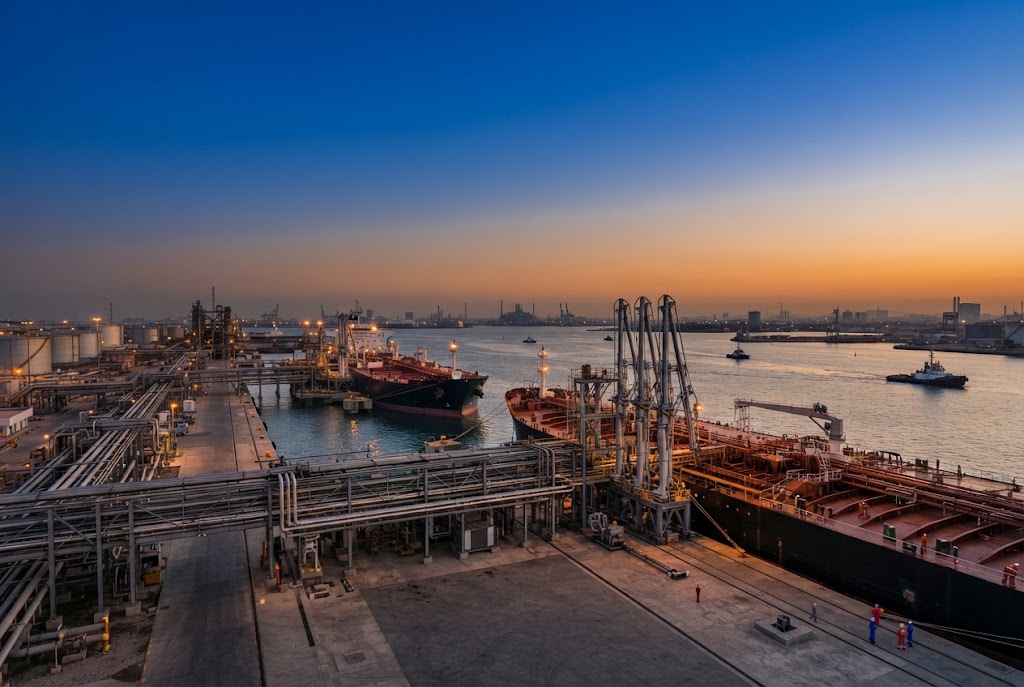
While domestic retail prices fell, global energy markets reacted sharply to renewed tensions in the Strait of Hormuz. This vital maritime transit corridor handles a significant percentage of global crude oil and liquefied petroleum gas shipments daily. Any threat of disruption or increased security risk in this region immediately pushes energy benchmarks higher.
These geopolitical anxieties triggered a rapid spike in crude prices, which directly affects oil-linked chemical derivatives. While domestic consumer demand might be cooling, the raw material cost base for the global chemical sector has actually expanded. This simultaneous occurrence of cooling domestic inflation and rising global feedstocks creates a confusing signal for procurement managers.
The Divergence Between Macro Inflation and Petrochemical Realities
Macroeconomic indicators like the consumer price index track a broad basket of goods, including rent, apparel and food. These items do not correlate directly with the spot prices of highly volatile chemical feedstocks. Industrial buyers must look past top-line inflation statistics to analyze the specific energy inputs that dictate chemical manufacturing margins.
Refining operations and petrochemical synthesis require massive inputs of electricity, natural gas and crude derivatives. When these specific inputs spike, the production cost of primary petrochemicals rises regardless of what consumer price trends suggest. This divergence means that buying teams relying solely on general economic indices may find themselves unprepared for rising supplier quotes.
How High Oil-Linked Costs Impact Key Derivative Streams
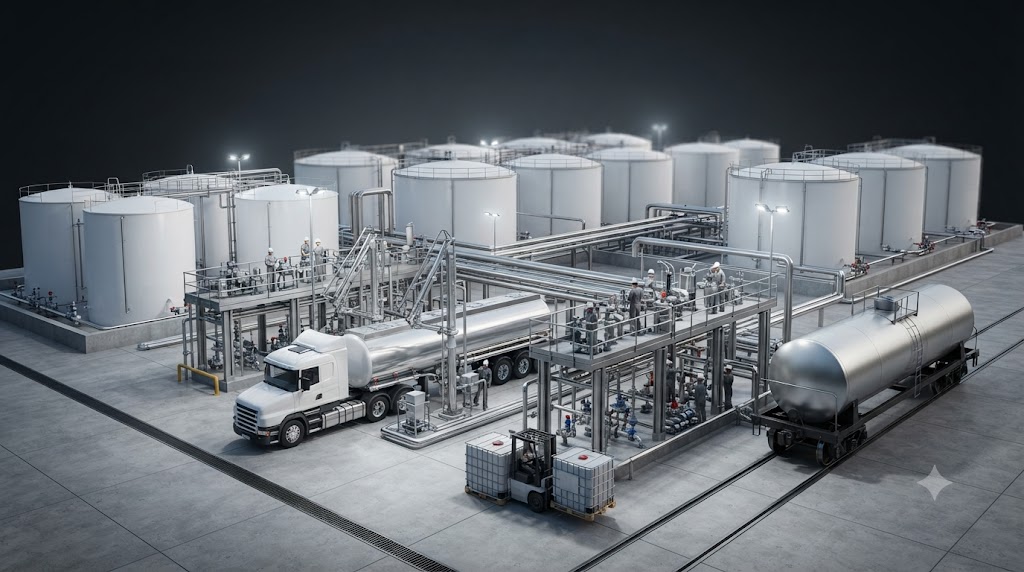
The surge in crude oil values directly pressures downstream chemical production through several primary pathways. Refineries utilize crude to produce naphtha, which serves as the foundational feedstock for steam crackers worldwide. Higher crude prices inflate naphtha costs, which then forces producers of ethylene and propylene to raise their spot offers.
Aromatics production also feels the immediate impact of crude volatility. Manufacturers of benzene, toluene and xylene must pass through their elevated processing and raw material costs to downstream buyers. Consequently, derivatives like styrene, polyester resins and synthetic rubbers are seeing upward price pressure despite the cooling consumer price index.
We can summarize the direct impacts on derivative chains as follows:
Basic olefins face immediate margin compression as steam cracking feedstocks become more expensive. This forces producers to seek price increases for polyethylene and polypropylene resins.
Aromatic solvents experience rapid price shifts as raw toluene and mixed xylene streams are diverted into high-value gasoline blending pools.
Specialty chemical manufacturers see their utility costs rise as energy-intensive synthesis processes absorb higher overall utility rates.
Freight and Logistics Risks in Volatile Transit Corridors
Tensions in the Strait of Hormuz do not just elevate crude prices, they also complicate global chemical logistics. Shipowners face rising insurance premiums when routing tankers through or near volatile maritime zones. These added operational costs are passed directly to chemical importers and exporters in the form of higher freight rates.
Furthermore, shippers may choose longer, alternative routes to avoid high-risk areas, which extends transit times and delays deliveries. Extended voyages tie up vessel capacity, leading to a general tightening of global shipping container and tanker availability. Chemical buyers must factor these logistics surcharges and lead-time extensions into their total cost of ownership calculations.
What Procurement Teams Should Do Now
Navigating this split-market environment requires a departure from traditional procurement methods. Buying teams cannot assume that general economic cooling will automatically lead to discount opportunities from chemical suppliers. Instead, procurement strategies must adapt to protect margins and secure supply during this period of high feedstock volatility.
Consider implementing these targeted actions immediately:
Separate index negotiations from general consumer inflation benchmarks. Ensure your purchase contracts reference specific feedstock indices like spot naphtha or regional natural gas rather than broad consumer price indices.
Secure volume allocations early for oil-derived intermediates. When geopolitical risks threaten shipping corridors, securing actual physical volume takes priority over minor price concessions.
Audit supplier energy surcharges to ensure they align with verified utility movements. Request transparency on how suppliers calculate their energy-linked adjustments during volatile periods.
Evaluate alternative shipping routes and regional sourcing options. Sourcing critical chemicals from domestic suppliers or less volatile geographical zones can mitigate transit risks.
As the global economy processes this mixed economic data, chemical traders must remain focused on the actual physical drivers of supply and demand. The cooling consumer price index may dominate financial news, but geopolitical risks and oil-linked feedstocks remain the true drivers of chemical pricing. Managing these competing forces successfully requires vigilance, flexibility and data-driven procurement strategies.
Ready to source Methanol from verified global suppliers? Explore competitive offers on our platform today.