Cyclohexanone: Demand from Nylon and Coating Industries
Cyclohexanone occupies an important position in the global chemical value chain, with demand closely connected to nylon manufacturing and industrial coatings. As manufacturers expand their production of synthetic fibers, engineering plastics and specialty materials, this versatile chemical continues to attract attention from chemical traders, distributors and procurement professionals.
The cyclohexanone market reflects two interconnected demand streams. Nylon production accounts for the largest share of industrial consumption, while coatings, paints, adhesives and solvent applications provide additional commercial opportunities. Understanding these segments helps buyers evaluate market conditions, anticipate sourcing requirements and develop more resilient procurement strategies.
Cyclohexanone and Its Role in Industrial Manufacturing
Cyclohexanone is an organic cyclic ketone that appears as a clear, colorless to pale yellow liquid with a characteristic odor. Manufacturers produce it primarily through the oxidation of cyclohexane or the dehydrogenation of cyclohexanol.
Its chemical properties make it valuable both as a solvent and as an intermediate for producing other industrial chemicals. Rather than serving a single manufacturing sector, cyclohexanone connects several downstream industries through its applications in polymer production, chemical synthesis and industrial formulations.
The chemical's commercial importance comes from three major characteristics:
Intermediate functionality: It supports the production of essential chemicals used in synthetic materials.
Solvent performance: Its solvency makes it useful in selected coatings, resin and adhesive formulations.
Industrial versatility: Manufacturers use it across chemical processing and specialty applications where specific formulation properties matter.
For chemical buyers, understanding these functions provides a starting point for evaluating product specifications, identifying potential customers and assessing the commercial relevance of different supply opportunities.
Nylon Production Remains the Primary Demand Driver
The nylon industry represents the largest consumption channel for cyclohexanone. Its connection to two major chemical intermediates, caprolactam and adipic acid, places it at the center of global polyamide manufacturing.
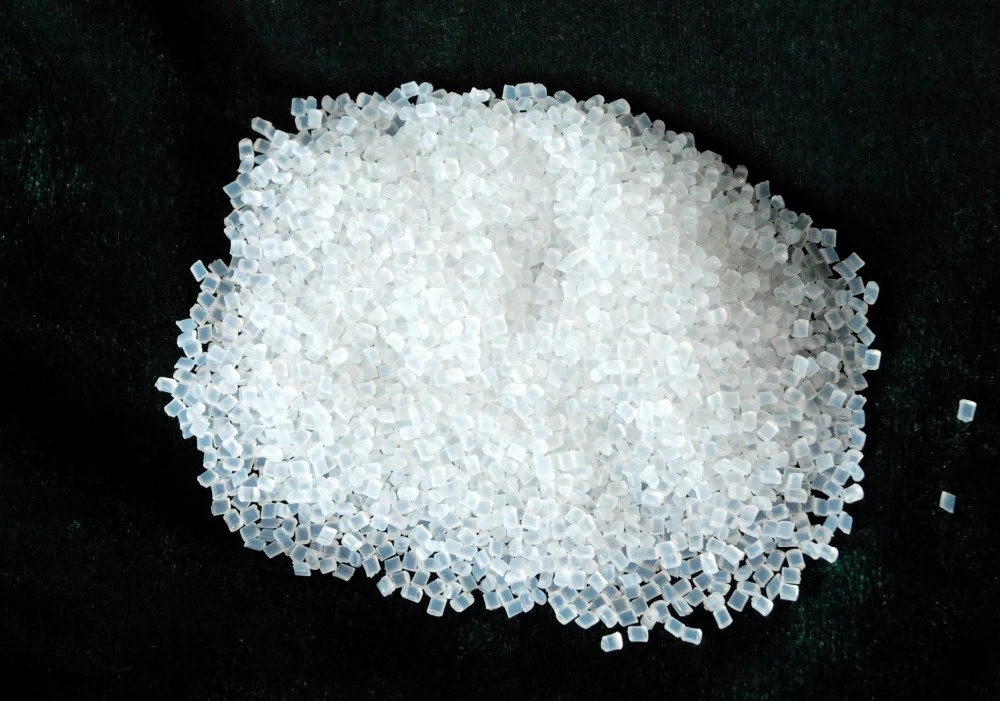
Cyclohexanone supports caprolactam production, which serves as the principal building block for nylon 6. It also contributes to the broader chemical pathway associated with adipic acid and nylon 6,6, although the production routes and intermediate requirements differ.
These polymers serve a wide range of industries:
Textiles and apparel: Nylon fibers provide strength, durability and flexibility for clothing, carpets and industrial fabrics.
Automotive manufacturing: Nylon resins support components that require mechanical strength, durability and reduced weight.
Electrical and electronics: Engineering plastics serve applications that require dependable performance and dimensional stability.
Packaging: Nylon films contribute strength and barrier properties to selected packaging structures.
Industrial equipment: Technical textiles, mechanical components and specialized industrial materials use nylon-based products.
As manufacturers expand their nylon production capacity, their requirements for upstream chemical intermediates influence cyclohexanone consumption. This relationship makes developments in the polyamide industry particularly important for traders monitoring market demand.

Coatings and Paints Create Additional Market Opportunities
Although nylon intermediates dominate cyclohexanone consumption, coatings and solvent applications create another important demand channel. The chemical's solvency characteristics make it useful in selected formulations involving resins, paints, adhesives and other industrial materials.
Coatings manufacturers consider several factors when selecting solvents, including compatibility with formulation ingredients, evaporation behavior, processing requirements and the desired properties of the finished product. Cyclohexanone can contribute to these requirements in applications where its chemical characteristics align with the formulation.
Potential areas of industrial use include:
Industrial coatings: Formulations designed to protect machinery, equipment and manufactured surfaces.
Paints and resins: Selected solvent systems used in manufacturing and surface treatment.
Adhesives: Formulations that require suitable solvent compatibility during processing.
Specialty chemical production: Processes that rely on cyclohexanone as a solvent or chemical intermediate.
Demand from these applications can respond to manufacturing activity, infrastructure development and industrial maintenance. Unlike large nylon producers, many coatings and formulation buyers operate in smaller volumes, creating opportunities for distributors that can support flexible order quantities and consistent product availability.
Global Production and Regional Demand Patterns
The cyclohexanone market has a strong connection to Asia, particularly China, where extensive chemical manufacturing capacity and downstream polyamide production support consumption.
According to S&P Global Commodity Insights, mainland China held the largest combined capacity for cyclohexanol and cyclohexanone in 2024. The region's substantial nylon-related manufacturing base also influences global demand for cyclohexanone and its upstream feedstocks.
S&P Global+1
Other significant regional markets include Europe and North America, where established chemical producers supply downstream industrial users. However, regional supply and demand balances vary depending on plant integration, production economics and the availability of imported material.
For international traders, several regional developments deserve attention:
China: Large-scale polyamide manufacturing and chemical production influence global supply availability and consumption.
Europe: Established industrial demand creates opportunities for both domestic producers and import suppliers.
North America: Automotive, engineering plastics and industrial chemical applications support demand.
Emerging manufacturing markets: Expanding textile production and industrial development can increase requirements for chemical intermediates.
Regional differences in capacity, logistics and downstream demand influence sourcing decisions. Buyers who understand these patterns can assess supplier diversification opportunities and anticipate changes in import requirements.
What Influences Cyclohexanone Prices?
Cyclohexanone pricing reflects a combination of feedstock costs, production economics, downstream consumption and international trade conditions. Buyers who monitor these factors can better understand price movements and plan purchasing cycles.
Key price drivers include:
Cyclohexane prices: Cyclohexane serves as a major feedstock for cyclohexanone production. Changes in crude oil and benzene markets can influence upstream production costs.
Energy costs: Chemical manufacturing requires substantial energy for processing, separation and purification. Higher energy costs can increase production expenses.
Nylon industry demand: Strong caprolactam and adipic acid consumption can tighten cyclohexanone availability and support price increases.
Plant operating rates: Production shutdowns, maintenance schedules and unexpected disruptions can affect regional supply balances.
Freight and logistics: Shipping rates, container availability, port congestion and transportation costs influence landed prices.
Currency movements: Exchange rate fluctuations affect import costs and purchasing budgets, particularly in markets that rely heavily on overseas suppliers.
These factors rarely move in isolation. A period of rising feedstock costs combined with stronger downstream demand can create substantial pressure on procurement budgets, while weaker manufacturing activity may moderate prices even when production costs remain elevated.
Supply Chain Challenges and Procurement Considerations
Cyclohexanone buyers must evaluate more than the quoted price per metric ton. Product quality, supplier reliability and shipment timing can directly influence production continuity and total purchasing costs.
Several challenges require attention when sourcing internationally.
Supplier concentration: Heavy concentration of production in particular regions can expose buyers to regional disruptions. Maintaining relationships with suppliers from different production locations can improve sourcing flexibility.
Specification consistency: Variations in purity, moisture content and impurity levels may affect downstream processing. Buyers should establish clear specifications and review supplier quality documentation before confirming orders.
Transportation and storage: Cyclohexanone requires appropriate handling, storage and transportation arrangements. Buyers should confirm that suppliers and logistics partners follow applicable safety and chemical handling requirements.
Lead-time uncertainty: International shipments may face delays related to port congestion, customs clearance or changes in vessel schedules. Procurement teams should coordinate delivery windows with actual production requirements.
Documentation requirements: Importers should confirm that commercial invoices, packing lists, safety data sheets and relevant transport documentation meet destination-country requirements.
A well-organized procurement process combines supplier evaluation with shipment planning. This approach reduces the likelihood of unexpected costs and helps maintain continuity across manufacturing operations.
Quality, Compliance and Responsible Handling
Cyclohexanone procurement requires attention to technical specifications and chemical safety requirements. Its properties influence how manufacturers handle, store and transport the product throughout the supply chain.
Buyers should evaluate the following documentation and quality parameters:
Certificate of Analysis (COA): Confirms the product's tested properties against agreed specifications.
Safety Data Sheet (SDS): Provides information on chemical hazards, safe handling, storage and emergency procedures.
Purity specifications: Establish acceptable quality requirements for the intended application.
Batch traceability: Supports quality investigations and consistency across shipments.
Regulatory documentation: Helps importers comply with applicable chemical registration, classification and transportation requirements.
Cyclohexanone is a flammable industrial chemical, so appropriate storage conditions, handling procedures and transport controls remain essential. Procurement teams should work with qualified suppliers and logistics providers that understand the applicable safety requirements.
Market Outlook: What Buyers Should Expect
The outlook for cyclohexanone remains closely linked to developments in nylon production and industrial manufacturing. Expanding demand for synthetic fibers, engineering plastics and durable industrial materials provides a foundation for continued consumption.
At the same time, the solvent segment offers opportunities for suppliers serving coatings, adhesives and specialty chemical manufacturers. These applications may not match the volumes associated with nylon intermediates, but they broaden the market's customer base.
Several developments could shape demand over the coming years:
Automotive material innovation: Greater use of engineering plastics in vehicle manufacturing supports demand for nylon-related intermediates.
Textile manufacturing expansion: Growth in synthetic fiber consumption can increase requirements for caprolactam and associated chemicals.
Industrial coatings demand: Infrastructure development and equipment maintenance support consumption of protective coatings and solvent-based formulations.
Regional capacity additions: New chemical production facilities can alter trade flows and regional supply balances.
Procurement diversification: Buyers may increasingly evaluate alternative suppliers and sourcing regions to manage supply disruptions and price volatility.
Market participants should distinguish between long-term consumption trends and short-term price movements. A positive demand outlook does not eliminate the possibility of temporary oversupply, inventory adjustments or unexpected feedstock cost changes.
What Procurement Teams Should Do Now
For chemical traders, importers and industrial buyers, cyclohexanone offers opportunities across a diverse network of downstream applications. However, successful sourcing requires a balanced approach to cost, quality, supply continuity and market intelligence.
Procurement teams can strengthen their sourcing strategies by:
Monitoring downstream industries: Track nylon, caprolactam and coatings market developments to anticipate changes in consumption.
Comparing supplier offers: Evaluate pricing alongside product specifications, payment terms, delivery schedules and shipment quantities.
Diversifying supply relationships: Maintain access to multiple qualified suppliers where commercially and technically feasible.
Planning inventory carefully: Align purchasing decisions with production schedules, demand forecasts and expected lead times.
Reviewing documentation: Confirm that quality certificates, safety documentation and shipping records meet procurement requirements.
Tracking trade flows: Monitor international supply patterns to identify emerging sourcing opportunities and potential disruptions.
Cyclohexanone's role in nylon production and industrial coatings makes it an important chemical for global manufacturing and trade. As downstream industries evolve, informed procurement and reliable supplier relationships will remain essential to managing costs and securing consistent material availability.
Nylon 6
Found this useful?