Deloitte's 2026 Warning: New Ethylene and Polyethylene Plants in the US and Qatar Will Deepen Overcapacity
Deloitte's 2026 outlook for petrochemicals carries a stark warning for the industry: global overcapacity in ethylene and polyethylene is set to intensify as major new plants in the United States and Qatar reach commercial operation. Simultaneously, China's continued polypropylene capacity expansion driven by self-sufficiency policies adds further pressure to already oversupplied polymer markets. For procurement teams managing polyethylene, polypropylene and derivative chemical sourcing, this deepening overcapacity creates opportunities for favorable pricing and contract terms but also introduces risks around supplier financial stress, production curtailments and potential supply chain disruptions as producers struggle with deteriorating economics.
The 2026 capacity additions arrive during a period when demand growth has already disappointed relative to the assumptions underlying investment decisions made five to seven years earlier. Global economic uncertainty, destocking cycles and shifting consumption patterns mean that massive new supply enters markets unprepared to absorb volumes at price levels supporting profitable operation.
The Scale of 2026 Capacity Additions
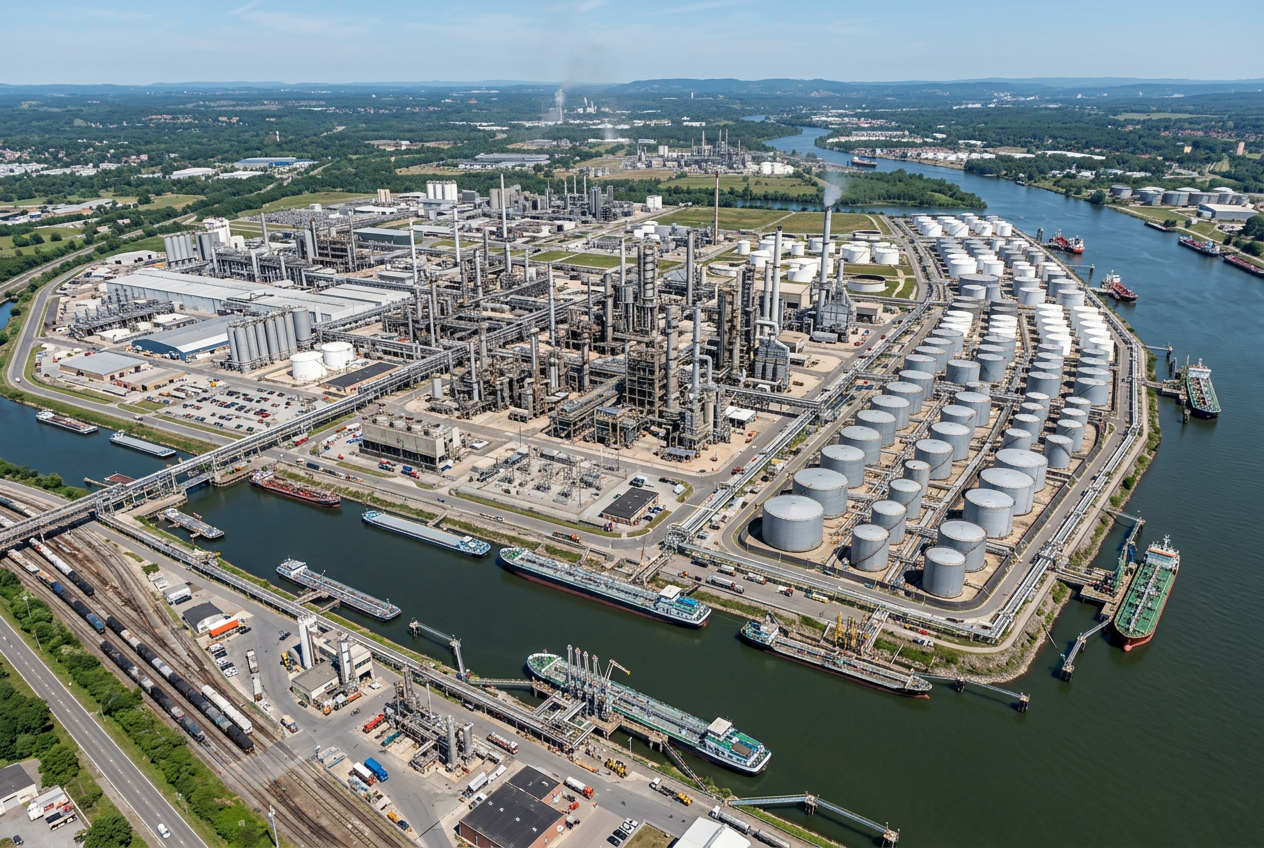
The United States and Qatar are bringing multiple world-scale petrochemical complexes online during 2026, representing billions in capital investment and millions of tons in annual production capacity.
US Gulf Coast additions include:
ExxonMobil's Baytown expansion adding 1.5 million tons of ethylene capacity and associated polyethylene production
Chevron Phillips Chemical projects increasing integrated ethylene-polyethylene capacity along the Texas coast
Multiple smaller expansions and debottlenecking projects at existing facilities
Qatar's integrated buildout features:
QatarEnergy's massive petrochemical complex leveraging North Field gas feedstock
Integrated ethylene crackers producing feedstock for downstream polyethylene and derivatives
World-scale plants designed for low-cost export-oriented production
China's polypropylene expansion continues independently with multiple coal-to-olefins and propane dehydrogenation units adding capacity throughout 2025 and 2026. These plants serve domestic demand but also create export pressure when Chinese consumption disappoints.
The combined impact adds roughly 5 to 7 million tons annually of new ethylene capacity globally with corresponding polyethylene and polypropylene downstream. This compares to global demand growth of 3% to 4% annually translating to 4 to 5 million tons of new consumption in normal economic conditions.
Why US and Qatar Enjoy Feedstock Advantages
The competitive positioning of US and Qatar capacity rests on access to low-cost feedstocks that create structural cost advantages versus producers in Europe, Asia and other regions.
US advantages center on natural gas liquids:
Shale gas production provides abundant ethane at prices typically $0.10 to $0.20 per pound
Ethane-fed crackers achieve cash costs 30% to 50% lower than naphtha-based European or Asian crackers
Proximity to Gulf Coast export terminals enables global market access
Established petrochemical infrastructure reduces capital costs and integration complexity
Qatar's position leverages natural gas abundance:
North Field reserves provide decades of low-cost gas feedstock
Government equity participation and strategic priorities support project economics
Purpose-built export infrastructure connects production to Asian demand centers
Tax and regulatory frameworks favorable to large-scale industrial projects
These feedstock advantages create cash cost floors below which higher-cost producers cannot compete sustainably. During overcapacity cycles, low-cost producers can maintain full production rates at prices forcing higher-cost capacity offline.
China's Self-Sufficiency Drive in Polypropylene
China's continued investment in polypropylene capacity despite global overcapacity reflects strategic policy prioritizing domestic production over import dependence.
Drivers of Chinese capacity growth:
Government policies favoring petrochemical self-sufficiency reducing vulnerability to supply disruptions
Coal-to-olefins technology enabling production from domestic coal resources
Propane dehydrogenation units using imported LPG but creating domestic processing value
Provincial and corporate incentives supporting capacity expansion regardless of market fundamentals
Chinese polypropylene capacity additions during 2025-2026 total several million tons annually even as domestic demand growth slows. The result is declining import requirements and increasing Chinese export availability that pressures global pricing.
This politically driven capacity expansion operates under different economic logic than Western market-oriented investment. Projects proceed based on strategic priorities and government support rather than purely commercial returns, creating supply that persists even when market conditions suggest curtailment.
Historical Context of Petrochemical Capacity Cycles
The petrochemical industry experiences recurring capacity cycles where waves of investment create overcapacity followed by years of demand growth absorbing excess supply.
Previous overcapacity episodes include:
Late 1990s when Asian financial crisis demand destruction met capacity expansions planned during earlier growth
2008-2009 when financial crisis halted demand while projects under construction completed anyway
2015-2017 when US shale-driven capacity additions entered markets during Chinese economic slowdown
Each cycle creates similar patterns. During planning and construction, demand appears robust justifying investment. By startup, economic conditions have changed but sunk capital cannot be recovered. Producers operate capacity at marginal costs rather than shut down, depressing prices industry-wide.
Recovery requires either demand growth absorbing new capacity or higher-cost production permanently exiting through closures. The 2026 situation follows this familiar pattern with new capacity arriving into weakened demand environment.
Pricing Implications for Polyethylene Buyers
Procurement teams sourcing polyethylene face market conditions heavily influenced by overcapacity dynamics and the competitive positioning of new entrants.
Expected pricing pressures include:
Downward pressure on contract prices as suppliers compete for volume commitments to utilize new capacity
Increased spot market volatility when supply-demand imbalances create price swings both directions
Regional price convergence as low-cost US and Qatar exports set global price ceilings
Margin compression for converters may not fully materialize if raw material savings get competed away in finished goods pricing
Buyers should expect suppliers to offer extended contract terms, volume commitments and pricing formulas more favorable than during balanced or tight market conditions. The leverage shift toward buyers creates opportunities for those prepared to negotiate aggressively.
However, buyers must also assess supplier financial health. Producers operating at losses may curtail production, defer maintenance or in extreme cases face bankruptcy creating supply disruptions despite overall market overcapacity.
Polypropylene Market Dynamics
Polypropylene faces distinct dynamics versus polyethylene given China's capacity buildout and different end-use demand patterns.
Key polypropylene considerations:
Chinese production growth outpacing domestic consumption creates export availability
Automotive sector weakness globally reduces demand for polypropylene in vehicle applications
Packaging applications remain more resilient but growth rates disappoint versus historical trends
Propylene feedstock costs influenced by refinery operating rates and propane dehydrogenation economics
Polypropylene pricing may face more intense pressure than polyethylene given China's export potential and strategic commitment to operating capacity regardless of profitability. Buyers sourcing polypropylene should expect persistent overcapacity through at least 2027-2028 barring unexpected demand acceleration.
Regional pricing differentials will reflect freight economics and trade barriers. Markets with import duties or logistics disadvantages may maintain price premiums while easily accessible markets face greatest pressure from Chinese exports.
Supplier Financial Stress and Supply Chain Risks
Overcapacity creates financial pressure on producers that can paradoxically increase supply chain risk for buyers despite abundant capacity.
Financial stress manifestations include:
Deferred maintenance creating higher unplanned outage risk
Working capital constraints limiting inventory availability
Quality control cost-cutting potentially affecting product consistency
Technical service reductions as companies cut overhead expenses
Buyers should monitor supplier financial health through credit ratings, financial disclosures and industry intelligence. Diversifying sourcing across multiple suppliers reduces exposure to individual supplier distress.
Long-term contracts with struggling suppliers warrant careful review of force majeure provisions, financial security clauses and termination rights. A supplier bankruptcy can create immediate supply disruptions and potential contract disputes regardless of market overcapacity.
Geographic Sourcing Strategy Adjustments
The concentration of new low-cost capacity in US Gulf Coast and Qatar creates opportunities and challenges for buyers in different regions.
Regional sourcing implications:
Asian buyers gain access to competitive Qatar supply with short shipping distances but face Chinese domestic overcapacity as alternative
European buyers can source US Gulf Coast exports economically via Atlantic routes while also accessing Middle East supply
North American buyers benefit from local US production proximity but should evaluate import options when favorable pricing emerges
Latin American buyers sit between US Gulf Coast and potential Asian sources creating option value
Procurement teams should develop multi-regional sourcing strategies capturing competitive dynamics between supply sources. Qualifying suppliers across geographies and understanding total landed cost including freight, duties and logistics enables opportunistic sourcing shifts.
Contract Negotiation Leverage Points
Overcapacity fundamentally shifts negotiating leverage toward buyers who can extract value through multiple commercial mechanisms.
Key negotiation opportunities include:
Pricing formulas linking to feedstock costs, industry benchmarks or competitive alternatives with floors favorable to buyers
Volume commitments where buyers offer guaranteed volumes in exchange for price concessions or preferential treatment
Payment terms extending from traditional net-30 toward net-60 or longer as suppliers compete for cash flow
Quality guarantees and technical service commitments formalized in contracts rather than relying on supplier goodwill
Termination rights providing exit options if supplier performance deteriorates or better alternatives emerge
Buyers should approach negotiations with clear understanding of their alternatives, supplier cost structures and market dynamics. Suppliers under financial pressure may accept terms they would reject during balanced markets but buyers must ensure commitments are sustainable to avoid supplier failures.
When Overcapacity Creates Supply Disruption
Counterintuitively, overcapacity can create supply disruptions when financial stress forces production curtailments or closures.
Disruption mechanisms include:
Temporary shutdowns where producers idle capacity during particularly weak pricing then struggle to restart efficiently
Permanent closures of higher-cost capacity creating regional shortages if logistics cannot economically move material from distant sources
Maintenance deferrals leading to unplanned outages when equipment failures occur
Force majeure declarations by financially distressed suppliers seeking to exit unprofitable contracts
Buyers must balance aggressive negotiating to capture overcapacity value against maintaining supplier base capable of sustainable operation. Driving suppliers below cash costs creates short-term savings but risks supply continuity.
Strategic supplier relationships with financially healthy producers provide insurance against disruptions affecting opportunistic sources. Portfolio approaches combining committed volumes with strong suppliers plus spot purchases from distressed suppliers optimize cost while managing risk.
Demand-Side Uncertainties
The severity and duration of overcapacity depends critically on demand trajectories that remain highly uncertain.
Key demand variables include:
Global economic growth affecting polyethylene consumption in packaging, consumer goods and construction
Automotive production driving polypropylene demand for vehicle components and interiors
Infrastructure investment particularly in developing markets creating construction-related polymer consumption
Sustainability transitions potentially reducing virgin polymer demand if recycled content adoption accelerates
Demand scenarios ranging from robust recovery to prolonged stagnation create radically different market outcomes. Strong demand could absorb new capacity within 18-24 months normalizing markets. Weak demand extends overcapacity through decade-end.
Procurement teams should scenario-plan across demand ranges rather than anchoring to single forecast. Strategies resilient across outcomes perform better than those optimized for specific scenarios that may not materialize.
Long-Term Structural Changes
Beyond cyclical overcapacity, structural shifts in petrochemical markets may be emerging that affect long-term sourcing strategies.
Potential structural changes include:
Permanent capacity closures in Europe and other high-cost regions creating regional supply dependencies
China's role evolution from import market to exporter reshaping global trade flows
Sustainability requirements driving investments in recycled content and bio-based alternatives affecting virgin polymer demand growth
Demand saturation in developed markets limiting volume growth to population and GDP increases
If these structural shifts prove durable, the industry may not return to balanced conditions even after current overcapacity wave gets absorbed. Procurement strategies must evolve beyond managing cyclical overcapacity to address fundamental supply chain restructuring.
What Procurement Teams Should Do Now
Chemical buyers managing polyethylene and polypropylene sourcing should take several actions to position for deepening overcapacity through 2026 and beyond.
Immediate action steps include:
Benchmark current contract pricing against spot markets, regional alternatives and feedstock-linked formulas to identify renegotiation opportunities
Assess supplier financial health across current supply base to identify distress risks requiring mitigation
Qualify additional suppliers particularly low-cost US Gulf Coast and Middle East producers to create competitive alternatives
Build analytical capabilities to model total landed costs across supply sources accounting for freight, duties and logistics variables
Develop scenario-based sourcing plans flexible enough to adapt as demand and competitive dynamics evolve
Strategic positioning during overcapacity cycles separates sophisticated procurement organizations from those that simply accept supplier pricing and terms. The value capture opportunity during 2026-2028 could be substantial for buyers who act proactively.
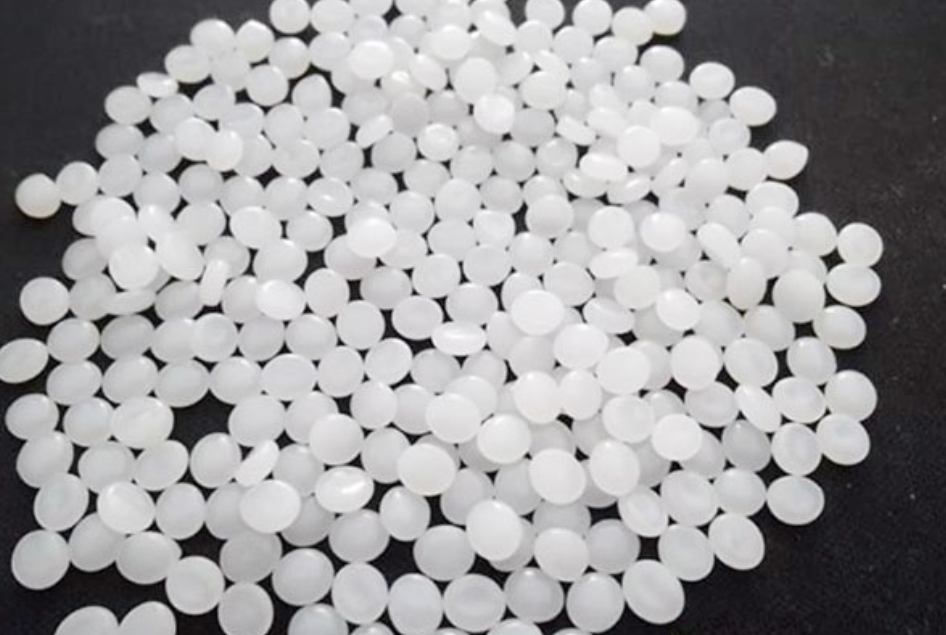
Ready to source High Density Polyethylene (HDPE) from verified global suppliers? Explore competitive offers on our platform today.
High Density Polyethylene (HDPE)
Found this useful?