Digital Transformation in Chemical Logistics: Automation and Tracking
Digital Transformation in Chemical Logistics: The Role of Automation and Real-Time Tracking
Digital transformation is changing how chemical manufacturers, distributors and logistics providers manage the movement of raw materials, intermediates and finished products. Automation, real-time tracking and connected digital platforms are helping companies improve shipment visibility, strengthen safety controls, reduce operational delays and maintain better control over complex supply chains.
Chemical logistics involves challenges that go beyond conventional freight transportation. Many products require specific storage temperatures, controlled handling, hazardous-material precautions and detailed documentation. Delays, incorrect handling or a lack of shipment visibility can create financial losses, regulatory concerns and potential safety risks. Digital technologies are therefore becoming important tools for improving logistics performance and supply chain resilience.
The Growing Importance of Digital Transformation in Chemical Logistics
Traditional chemical logistics operations often depend on manual documentation, telephone updates, spreadsheets and disconnected information systems. These methods can make it difficult to monitor shipments across multiple transport providers, warehouses and distribution facilities.
Digital transformation connects different stages of the logistics process through integrated platforms. Manufacturers, transport companies, warehouse operators and customers can access relevant shipment information, monitor operational performance and respond more quickly to unexpected events.
Industry discussions increasingly highlight supply chain visibility, the Internet of Things (IoT) and digital integration as important priorities for chemical logistics. These technologies can help businesses manage disruptions, improve coordination and make logistics operations more responsive.
Key Technologies Transforming Chemical Logistics
1. Automation in Logistics Operations
Automation is improving the speed, accuracy and consistency of activities across chemical warehouses, distribution centres and transportation networks.
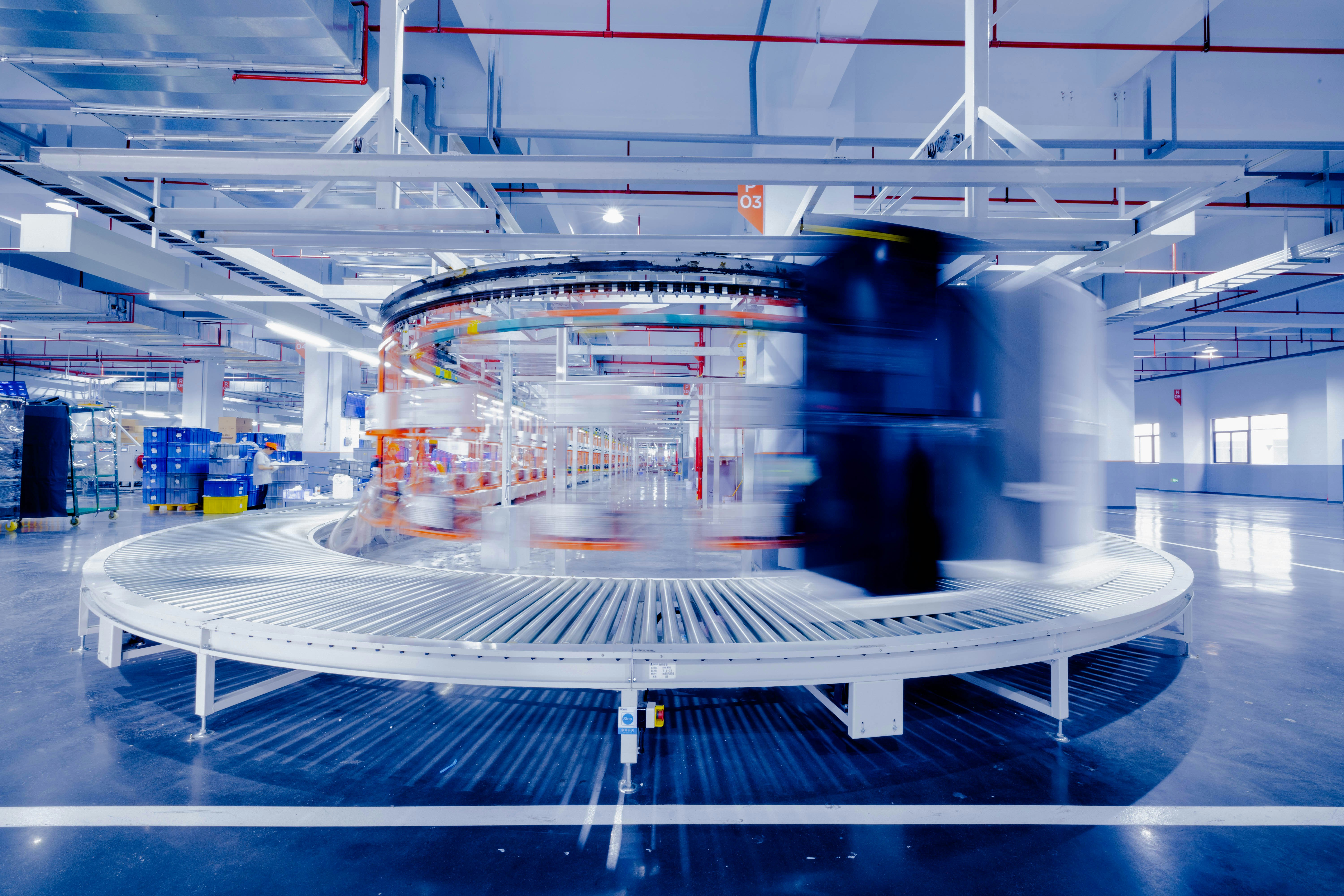
Automated systems can support order processing, inventory management, shipment scheduling, documentation and warehouse operations. Robotic equipment and automated guided vehicles (AGVs) can also assist with material movement in suitable industrial facilities.
Common applications include:
Automated inventory management: Digital systems monitor stock levels, product locations and material movements.
Warehouse automation: Conveyors, scanners and robotic equipment support storage, picking and handling activities.
Automated documentation: Software can generate shipping records, delivery documents and routine compliance reports.
Transport scheduling: Digital platforms help coordinate vehicle availability, delivery schedules and loading operations.
Process monitoring: Connected systems can identify delays, missing information and operational exceptions.
For chemical companies, automation can reduce repetitive administrative work and improve the consistency of logistics processes. However, automated equipment used in hazardous areas must be appropriately designed, certified and operated under applicable safety requirements.
2. Real-Time Tracking and Shipment Visibility
Real-time tracking is one of the most valuable applications of digital technology in chemical transportation. GPS-enabled devices, telematics systems and connected sensors allow logistics teams to monitor the location and movement of vehicles, containers and selected shipments.
Instead of relying entirely on manual status updates, businesses can receive digital information throughout the transportation process.
Real-time tracking can provide information about:
Current shipment location and estimated arrival time.
Vehicle movement and route deviations.
Delivery progress and unexpected delays.
Temperature and humidity conditions where monitoring is required.
Shock, vibration or other handling-related events.
Container or equipment status, depending on the installed monitoring system.
This visibility is particularly important for temperature-sensitive chemicals, specialty materials and hazardous cargo. If a shipment experiences an unexpected delay or a monitored condition moves outside its acceptable range, responsible teams can investigate and take appropriate action.
However, tracking capabilities depend on device coverage, connectivity, sensor calibration and the quality of the information transmitted.
3. Internet of Things (IoT) and Smart Sensors
The Internet of Things connects physical equipment and monitoring devices to digital platforms. In chemical logistics, IoT sensors can collect information about shipment conditions and transmit it to central monitoring systems.
For example, sensors installed in a suitable tank container or refrigerated transport unit can monitor temperature and other relevant operating conditions. The data can help logistics teams identify abnormal conditions before the product reaches its destination.
IoT applications include:
Temperature monitoring for products with defined storage requirements.
Pressure monitoring in suitable tank and process equipment.
Container condition monitoring.
Vehicle performance and fuel-use monitoring.
Alerts for abnormal operating conditions.
Monitoring of selected storage and handling environments.
Combining IoT with real-time tracking creates a more complete picture of shipment performance. Companies can understand not only where a chemical shipment is located but also whether its monitored conditions remain within specified limits.
4. Artificial Intelligence and Predictive Analytics
Artificial intelligence (AI) and data analytics can help chemical logistics providers move from reactive decision-making towards more predictive operations.
AI-powered systems can analyse historical shipment records, traffic information, delivery performance, inventory patterns and operational data to identify trends and potential risks.
Practical applications include:
Predictive arrival estimates: Analysing route and traffic information to improve estimated delivery times.
Demand forecasting: Identifying patterns that can support inventory and transportation planning.
Predictive maintenance: Analysing vehicle and equipment data to identify possible maintenance requirements.
Route optimisation: Comparing suitable routes based on distance, traffic, delivery schedules and transport restrictions.
Risk identification: Highlighting shipments or routes that may require additional attention.
For hazardous chemicals, route optimisation must also account for permitted roads, transport regulations, emergency arrangements and site-specific restrictions. The shortest route is not necessarily the safest or most appropriate option.
5. Digital Platforms and Supply Chain Integration
Digital logistics platforms bring information from different systems into a shared operational environment. These platforms can connect enterprise resource planning (ERP), warehouse management systems (WMS), transportation management systems (TMS), fleet systems and shipment-monitoring devices.
Integration helps reduce information gaps between manufacturers, logistics providers and customers.
For example, when a chemical shipment leaves a manufacturing facility, its dispatch information can be recorded digitally. The transport provider can update its status, while the receiving warehouse can prepare for the expected delivery. Relevant stakeholders can access the information according to their permissions.
Standards such as GS1's Electronic Product Code Information Services (EPCIS) support the sharing of supply chain visibility events between different applications and organisations. EPCIS 2.0 also supports event information relating to conditions such as temperature and shock, making it relevant to certain monitored logistics operations.
Benefits of Digital Transformation for Chemical Logistics
Improved Operational Efficiency
Automation reduces the need for repetitive manual tasks, while integrated platforms make information easier to access. Better coordination between transport providers, warehouses and manufacturers can reduce administrative delays and improve resource utilisation.
Greater Shipment Transparency
Real-time tracking provides more accurate information about shipment progress. Businesses can identify delays, monitor route changes and communicate more effectively with customers.
Stronger Safety and Compliance Management
Digital records and monitoring systems can support the documentation of material movements, handling conditions and relevant operational events. These records can assist internal audits, incident investigations and compliance processes.
Digital tools do not replace regulatory obligations, safety procedures or required transport documentation. Instead, they help organisations manage and retrieve relevant information more consistently.
Better Inventory and Delivery Planning
Connected inventory and transportation systems can improve coordination between production schedules, warehouse capacity and customer demand. More reliable shipment information can also help businesses plan receiving activities and reduce unnecessary storage or waiting time.
Reduced Operational Risks
Predictive analytics, condition monitoring and automated alerts can help companies identify potential problems earlier. Early warnings may allow teams to investigate equipment issues, delivery disruptions or monitored shipment-condition deviations before they develop into more serious problems.
Challenges in Implementing Digital Technologies
Although digitalisation offers significant opportunities, chemical logistics companies must address several implementation challenges.
High Initial Investment
Installing tracking devices, sensors, automated warehouse equipment and integrated software platforms can require substantial investment. Businesses need to evaluate the expected operational benefits and long-term maintenance costs before selecting technologies.
Integration with Existing Systems
Many organisations operate older software and equipment that may not communicate easily with newer digital platforms. Integration can require system upgrades, data standardisation and technical support.
Cybersecurity and Data Protection
Connected logistics systems create additional points where business information could be exposed to cyber threats. Companies need appropriate access controls, secure data transmission, system monitoring and incident-response procedures.
Employee Training and Digital Skills
Employees must understand how to use digital platforms, interpret tracking information and respond to automated alerts. Training is important to ensure that technology improves operational performance rather than creating additional complexity.
Connectivity and Data Reliability
Remote routes, industrial facilities and international transportation networks may experience inconsistent connectivity. Missing sensor readings, inaccurate device data or communication interruptions can affect tracking reliability. Businesses should establish procedures for handling data gaps and equipment failures.
How Chemical Companies Can Build a Digital Logistics Strategy
A successful digital transformation programme should begin with clearly defined operational requirements rather than purchasing technology without a specific objective.
Companies can consider the following implementation approach:
Assess current operations: Identify weaknesses in shipment tracking, inventory control, documentation and transportation planning.
Prioritise critical shipments: Start with materials that require temperature monitoring, specialised handling or additional transport controls.
Select appropriate technologies: Evaluate GPS tracking, IoT sensors, warehouse automation and logistics management software according to operational needs.
Integrate existing systems: Connect relevant ERP, WMS and TMS platforms to improve information sharing.
Establish data standards: Use consistent product identifiers, shipment records and event information to support communication between business partners.
Train employees: Prepare logistics, warehouse and safety teams to operate digital systems and respond to alerts.
Measure performance: Monitor delivery reliability, tracking coverage, inventory accuracy, documentation errors and equipment downtime.
A phased approach can help organisations manage costs, test system performance and expand successful applications across additional facilities and transport networks.
The Future of Digital Chemical Logistics
Digital transformation is expected to play an increasingly important role in chemical supply chain management. As connected sensors, automation technologies and AI-based analytics become more widely adopted, logistics providers will have greater opportunities to improve operational visibility and planning.
Digital twins may help companies model selected logistics processes and evaluate potential disruptions. Automated warehouses and connected transport systems may improve coordination between storage and distribution activities. Meanwhile, interoperable data standards can support more consistent information exchange between manufacturers, suppliers and logistics partners.
Recent industry developments also demonstrate growing commercial interest in digital visibility platforms. In April 2026, chemical logistics provider Quantix announced a platform designed to combine shipment visibility, predictive estimated arrival times and operational analytics. This illustrates how digital tools are moving beyond basic location tracking towards broader logistics intelligence.
For chemical manufacturers and distributors, the long-term objective is not simply to automate individual tasks. It is to create a connected logistics environment where reliable data supports safer transportation, more efficient operations and better supply chain decisions.
As chemical supply chains become more complex, companies that invest in appropriate automation, real-time tracking and digital integration will be better positioned to manage operational risks and respond to changing customer and market requirements.
Sources

Crude Sulfate Turpentine
Found this useful?