
Drug Services Companies Ride the ADC Manufacturing Wave
The pharmaceutical industry is experiencing a surge in demand for antibody-drug conjugates (ADCs). These targeted therapies combine monoclonal antibodies with potent cytotoxic drugs. Drug services companies are riding this wave as biopharma developers seek external manufacturing partners.
However, C&EN reports that only a handful of firms currently have the capacity to manufacture ADCs from start to finish. This scarcity creates a bottleneck for developers bringing new candidates to market. Procurement managers must navigate this constrained landscape carefully.
Buyers of pharmaceutical contract manufacturing services face intense competition for available slots. The complexity of ADC production requires specialized expertise and infrastructure. Not every contract development and manufacturing organization (CDMO) can handle these molecules.
Traders should recognize the strategic value of integrated service providers. Companies offering end-to-end solutions reduce supply chain risks significantly. Understanding the capabilities of potential partners is essential for successful product launches.
The Complexity of ADC Manufacturing
ADCs are among the most complex biologics to produce commercially. They require three distinct components: the antibody, the linker and the cytotoxic payload. Each element must be manufactured separately before final conjugation.
This multi-step process demands rigorous quality control at every stage. Impurities in the linker or payload can compromise safety and efficacy. Manufacturers must maintain strict containment protocols for highly toxic payloads.
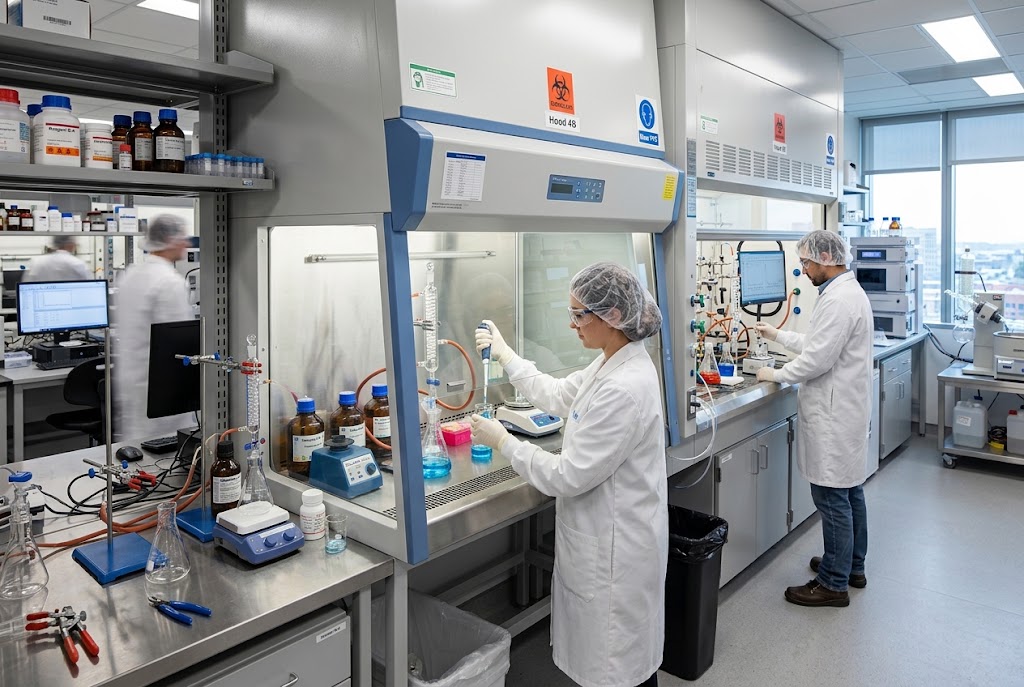
Only facilities with advanced biological and chemical processing capabilities can manage this workflow. Integrating these diverse processes under one roof minimizes handoff risks. End-to-end providers offer greater consistency and faster timelines than fragmented supply chains.
Procurement teams must evaluate potential partners for their technical proficiency. Verifying experience with specific linker technologies and payload types is crucial. Suppliers with proven track records reduce the risk of batch failures.
The Scarcity of End-to-End Capacity
Despite growing interest, few CDMOs offer complete ADC manufacturing services. Most firms specialize in either antibody production or small molecule synthesis. Bridging this gap requires significant capital investment and regulatory expertise.
This scarcity gives established players considerable pricing power. Developers may face long lead times and higher costs for manufacturing slots. Procurement managers must secure capacity early in the development pipeline.
Building new facilities takes years due to regulatory validation requirements. The barrier to entry remains high for new competitors. This dynamic sustains the advantage for current market leaders in the near term.
Traders should monitor expansion plans of major CDMOs closely. New capacity announcements signal future relief for supply constraints. However, immediate availability will remain tight for the next several years.
Key Drivers of ADC Market Growth
Several factors are fueling the rapid adoption of ADC therapies. Their ability to target cancer cells specifically reduces systemic toxicity compared to traditional chemotherapy. This improved safety profile expands their use in earlier treatment lines.
Regulatory approvals for new ADC indications are accelerating globally. Agencies recognize the clinical benefit of these targeted agents. This support encourages further investment in ADC pipeline development.
Pharmaceutical companies are increasingly outsourcing ADC production. Internal manufacturing capabilities often lack the flexibility for diverse conjugation chemistries. Partnering with specialized CDMOs allows faster time-to-market.
Procurement teams must align sourcing strategies with these market trends. Securing reliable partners ensures continuity for critical oncology portfolios. Early engagement with top-tier providers secures priority access.
Strategic Partnerships vs. Transactional Sourcing
The complexity of ADCs favors long-term strategic partnerships over transactional relationships. Collaborative models allow for joint problem-solving during development. This alignment improves process optimization and scale-up success rates.
Transactional sourcing may lead to miscommunication and quality issues. Handoffs between different vendors increase the risk of data loss or contamination. Integrated providers mitigate these risks through unified quality systems.
Procurement managers should negotiate master service agreements with key partners. These contracts define roles, responsibilities and intellectual property rights clearly. Clear governance structures facilitate smoother project execution.
Traders should evaluate partners based on cultural fit and communication styles. Strong interpersonal relationships enhance collaboration during challenging phases. Trust is a critical component of successful ADC manufacturing partnerships.
Regulatory and Quality Considerations
Regulatory agencies scrutinize ADC manufacturing processes heavily. Consistency in conjugation ratios and purity levels is mandatory for approval. Manufacturers must demonstrate robust control strategies for each step.
Quality agreements must specify testing methods and acceptance criteria clearly. Discrepancies in analytical results can delay regulatory submissions. Procurement teams should ensure alignment on quality standards upfront.
Supply chain transparency is vital for regulatory compliance. Tracking raw materials from source to final product is required. Digital serialization systems help maintain this chain of custody effectively.
Traders should verify that partners have successful inspection histories. Regulatory citations can halt production and delay product launches. Due diligence on quality systems protects buyers from compliance risks.
Challenges in Scaling ADC Production
Scaling ADC manufacturing presents unique technical hurdles. Conjugation reactions must be controlled precisely to ensure uniform drug loading. Variability in this step affects potency and safety significantly.
Purification of the final conjugate is complex due to its heterogeneous nature. Removing unbound payload and aggregates requires advanced chromatography techniques. Process optimization takes time and extensive experimentation.
Workforce expertise in ADC technologies is limited globally. Training staff on specialized equipment and protocols is essential. Investing in human capital supports consistent operational performance.
Procurement teams should assess partners for their scalability plans. Understanding capacity limits helps prevent bottlenecks during commercial launch. Flexible agreements allow for volume adjustments as demand grows.
What Procurement Teams Should Do Now
Procurement leaders must act quickly to secure ADC manufacturing capacity. Identifying qualified partners early prevents delays in clinical development. Engaging with multiple providers creates competitive leverage.
Consider the following strategic actions for the coming year:
Audit internal capabilities against ADC development needs. Identifying gaps helps determine the scope of external support required.
Evaluate CDMOs for end-to-end integration capabilities. Prioritizing partners with full-service offerings reduces supply chain complexity.
Negotiate flexible capacity reservations for future projects. Securing options protects against future scarcity and price increases.
Establish clear quality and regulatory expectations in contracts. Defining standards upfront prevents disputes and delays later.
Monitor industry trends in linker and payload technologies. Staying informed helps select partners with relevant technical expertise.
The Bottom Line for Pharmaceutical Buyers
The surge in ADC demand is lifting drug services companies with specialized capabilities. However, limited end-to-end manufacturing capacity creates significant challenges for pharmaceutical developers. Buyers must secure partnerships with qualified providers early to ensure success.
Companies that prioritize strategic collaboration and quality alignment will thrive. Access to reliable ADC manufacturing ensures timely delivery of life-saving therapies. The future of oncology procurement belongs to those who navigate this complex landscape with foresight. Ready to source Sodium Ascorbate from verified global suppliers? Explore competitive offers on our platform today.

Sodium Ascorbate (E301)
Found this useful?