Dry Rhine Conditions Add a Recurring Risk Factor for German Agrochemical Intermediate Logistics

Dry Rhine Conditions Add a Recurring Risk Factor for German Agrochemical Intermediate Logistics
Introduction
Low water levels on the Rhine River are becoming an increasingly important logistics risk for Germany’s chemical and agrochemical industries. The Rhine is a critical transportation route for moving chemical raw materials, intermediates, and finished products across Germany and into wider European markets.
For agrochemical manufacturers, prolonged periods of dry conditions can create additional supply-chain pressure by reducing vessel capacity, increasing transportation costs, and potentially slowing deliveries of important intermediates.
Why the Rhine Is Important to the Chemical Industry
The Rhine is one of Europe’s most important inland waterways and plays a central role in Germany’s chemical logistics network. Major chemical production centers, including the Ludwigshafen area, are closely connected to the river system.
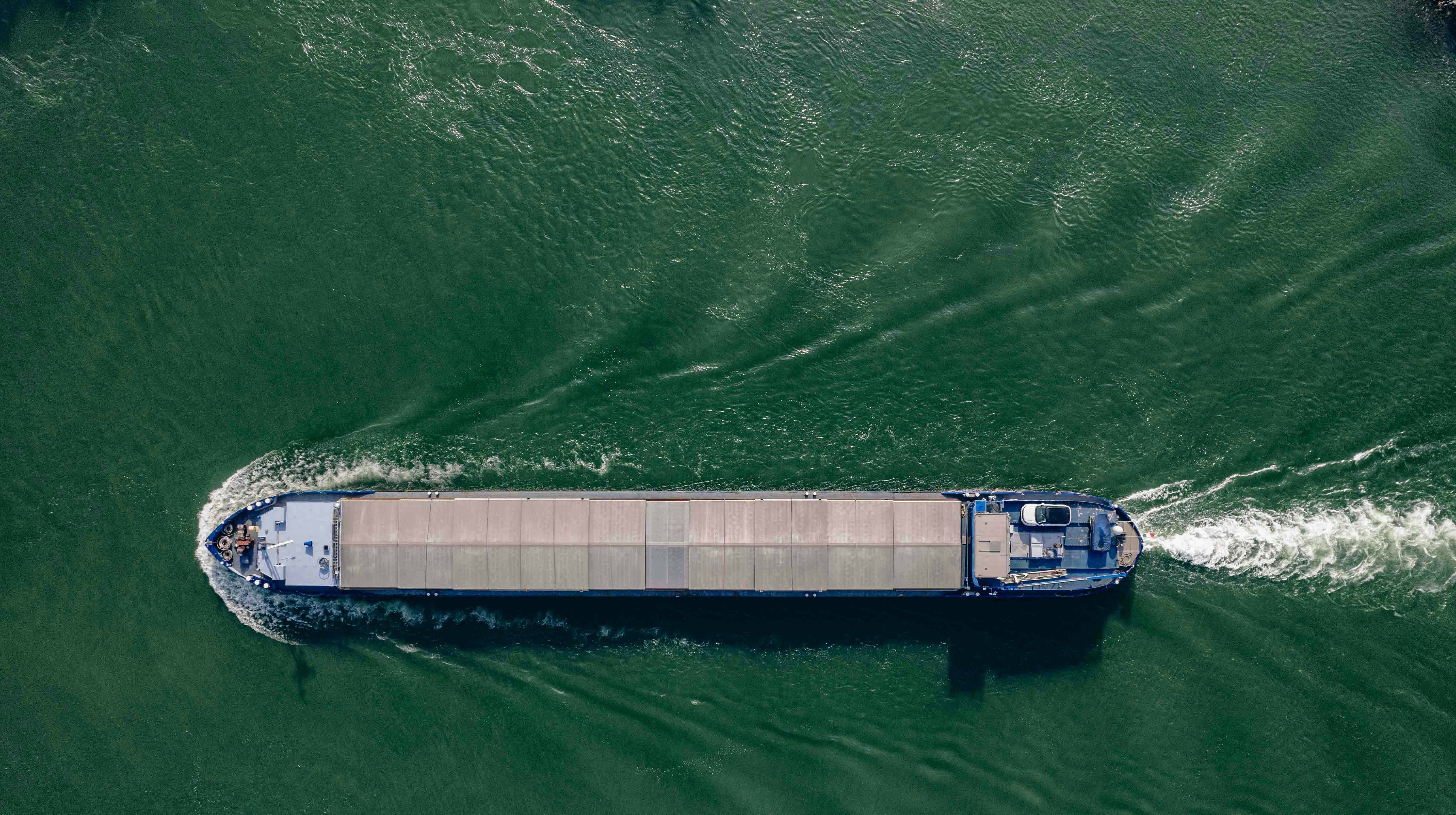
Chemical companies use inland shipping to transport large volumes of raw materials and products because barges can move substantial quantities efficiently compared with road transportation.
This makes the Rhine an important component of the supply chain for chemical intermediates that eventually support industries such as crop protection, pharmaceuticals, plastics, and specialty chemicals.
Dry Conditions Reduce Shipping Capacity
When water levels fall significantly, vessels cannot operate at their normal loading capacity. Operators may need to reduce cargo loads to prevent vessels from running aground.
For chemical manufacturers, this creates a direct logistics challenge. A shipment that would normally move in a single barge may require additional vessels or alternative transportation arrangements when water levels are low.
The result can be higher freight costs, longer transit times, and increased pressure on available logistics capacity.
Impact on Agrochemical Intermediates
Agrochemical production depends on a complex network of chemical intermediates and active-ingredient precursors. Even when the final crop protection product is manufactured elsewhere, disruptions affecting upstream chemical transportation can create delays further along the supply chain.
Low Rhine water levels therefore represent a potential risk for German agrochemical producers that rely on river transportation for the movement of feedstocks or intermediates.
The impact may be particularly significant when several supply-chain pressures occur simultaneously, such as low water levels, tight inventories, production outages, or elevated demand.
A Recurring Rather Than One-Time Risk
One of the most important aspects of Rhine logistics is that low-water conditions are not necessarily an isolated event. Periods of drought and unusually low river levels have repeatedly affected European inland shipping.
This creates a recurring planning challenge for chemical procurement teams.
Instead of treating low water as an unexpected disruption, companies can increasingly incorporate Rhine water levels into their logistics and sourcing strategies. Monitoring river conditions can help procurement and supply-chain teams identify potential transportation constraints before they become critical.
Cost and Lead-Time Implications
The financial impact of low Rhine water levels can extend beyond higher freight rates.
When barge capacity is reduced, companies may need to use alternative modes such as rail or road transportation. These options can increase costs, particularly for large-volume chemical shipments.
Longer transit times can also affect inventory planning. Manufacturers may need to hold additional safety stock of critical intermediates to reduce the risk of production interruptions.
For agrochemical companies operating with tightly managed inventories, even a relatively short logistics disruption can create challenges if replacement supplies cannot be sourced quickly.
Implications for Procurement and Supply-Chain Planning
The recurring nature of Rhine-related logistics risk means that procurement teams may need to take a more proactive approach.
Companies can incorporate several measures into their supply-chain planning, including:
Monitoring Rhine water levels and shipping conditions.
Identifying critical intermediates that depend heavily on inland waterways.
Developing alternative road and rail transportation options.
Increasing safety stocks for strategically important materials during high-risk periods.
Diversifying suppliers and transportation routes where economically feasible.
Including low-water scenarios in supply-chain risk assessments.
Such measures can help reduce dependence on a single transportation route and improve resilience during periods of disrupted inland shipping.
Broader Implications for Germany’s Chemical Industry
The Rhine issue extends beyond agrochemicals. Germany’s chemical industry relies heavily on integrated production networks in which raw materials and intermediates move between different production locations.
A disruption to one part of this logistics system can therefore have wider consequences across multiple chemical value chains.
For companies operating in Germany, the combination of energy costs, global competition, changing production footprints, and transportation risks is increasing the importance of supply-chain resilience.
Outlook
Climate variability and changing weather patterns could make inland-waterway risk an increasingly important consideration for European chemical supply chains.
For agrochemical manufacturers, this means that logistics planning may need to move beyond traditional considerations such as freight prices and delivery schedules. Real-time monitoring of river conditions, transportation capacity, inventory levels, and alternative routes can become part of routine procurement decision-making.
The Rhine is likely to remain a critical logistics artery for Germany’s chemical industry, but companies may increasingly need contingency plans to manage periods when the river cannot operate at normal capacity.
Conclusion
Dry Rhine conditions represent a recurring logistics risk for German agrochemical intermediate supply chains. Reduced water levels can limit barge capacity, increase transportation costs, extend delivery times, and place additional pressure on inventories.
For agrochemical manufacturers and procurement teams, the key lesson is that Rhine water levels should be treated as an ongoing supply-chain variable rather than an occasional disruption.
By combining real-time river monitoring with diversified transportation options, appropriate safety stocks, and contingency sourcing strategies, companies can reduce the potential impact of low-water periods and strengthen the resilience of their chemical supply chains.

Aluminium Chlorohydrate
Found this useful?