Dry Rhine Disruption Continues Rippling Through German Cracker Feedstock Logistics
The European petrochemical industry faces a persistent logistical crisis. The latest chemical maker affected by low Rhine water levels adds to continued disruption of barge-based feedstock delivery critical to German steam cracker operations. This ongoing issue threatens the stability of one of the world’s most important chemical production hubs.
For procurement managers and chemical traders, this development signals severe supply chain vulnerability. Steam crackers rely on a steady flow of naphtha and other hydrocarbon feedstocks. When river transport falters, production rates drop and market tightness intensifies.
Understanding the mechanics of this disruption is vital for maintaining supply continuity. Buyers must anticipate delays and price volatility when relying on products derived from these facilities. The interplay between climate conditions and industrial output creates a complex risk landscape for global sourcing teams.
The Critical Role of Barge Transport in Cracker Operations
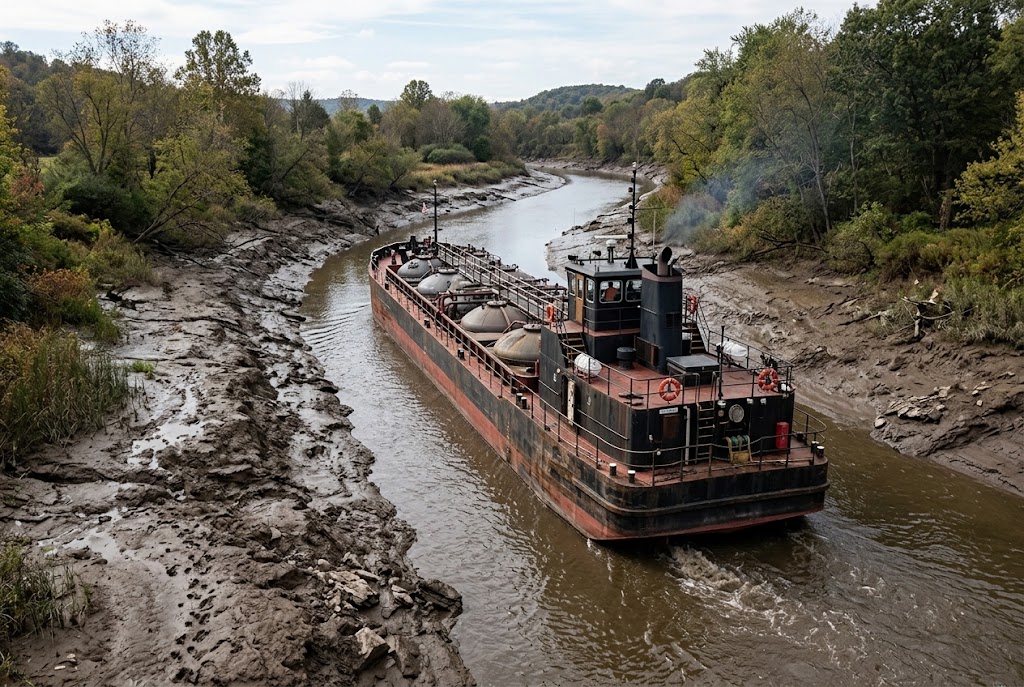
The Rhine River serves as the primary artery for transporting feedstocks to German chemical plants. Barges offer a cost-effective and efficient method for moving large volumes of naphtha and liquefied petroleum gas. This mode of transport is essential for the economic viability of steam crackers in the region.
However, this efficiency depends entirely on sufficient water depth. Heavy barges require deep channels to navigate safely. When water levels drop due to drought or low rainfall, carriers must reduce cargo loads to avoid running aground.
This reduction in load capacity means more trips are required to move the same volume of goods. The resulting bottleneck increases freight costs and extends lead times significantly. For just-in-time manufacturing models, these delays can halt production lines entirely.
Load restrictions: Barges carry only a fraction of their normal capacity during low-water periods.
Freight spikes: Carriers charge premiums for shallow-draft navigation and increased trip frequency.
Port congestion: More frequent arrivals and departures create bottlenecks at terminal facilities.
How Feedstock Shortages Cripple Cracker Output
Steam crackers are highly sensitive to feedstock availability. A consistent supply of naphtha is required to maintain optimal operating temperatures and pressures. Interruptions in delivery force operators to reduce throughput or shut down units entirely.
The latest disruption adds to a growing list of affected producers. This cumulative effect reduces overall ethylene and propylene output in Germany. These base chemicals are foundational for producing polyethylene, polypropylene and other essential polymers.
When cracker output falls, downstream derivative prices rise sharply. Buyers of plastics and synthetic rubbers face immediate cost pressures. Supply contracts may be force-majeured if producers cannot meet their obligations.
Procurement teams must monitor cracker utilization rates closely. A decline in operating rates is a leading indicator of upcoming supply tightness. Early warning allows buyers to secure alternative sources before markets become critically short.
Impact on Ethylene and Derivative Markets
The disruption of German steam cracker operations has a direct impact on ethylene availability. Ethylene is the building block for polyethylene, the most widely used plastic in the world. A shortage of this monomer ripples through countless industries.
Polyethylene scarcity: Packaging, automotive and construction sectors face material shortages.
Price volatility: Spot prices for ethylene and its derivatives spike due to supply tightness.
Import reliance: European buyers increasingly turn to imports from North America and Asia to fill gaps.
These market dynamics create opportunities for suppliers outside the Rhine basin. Producers in regions with stable logistics can capture market share during these disruptions. However, buyers must carefully evaluate total landed costs including freight and tariffs.
Strategic Responses for Procurement Teams
Buyers must adopt a multi-pronged approach to mitigate Rhine-related risks. Relying solely on river transport is no longer a viable strategy for critical materials. Diversification of transport modes is essential for resilience.
Shift critical shipments to rail or pipeline where feasible. Although infrastructure investment is high, these modes offer greater reliability during low-water periods. Securing capacity in advance prevents last-minute scrambling for alternative logistics.
Increase safety stock levels for vulnerable products. Building inventory buffers helps absorb short-term delivery delays. This approach requires additional warehousing space but prevents costly production stoppages.
Engage with suppliers to understand their contingency plans. Ask about alternative feedstock sources or production sites outside the Rhine basin. Suppliers with diversified logistics networks can offer better continuity guarantees.
Regional Market Dynamics and Alternative Sourcing
As Rhine reliability declines, buyers look to other regions. Northern European ports like Rotterdam remain accessible but face congestion from redirected traffic. Sourcing from overseas markets becomes more attractive despite longer lead times.
North American producers offer stable supply chains unaffected by European weather patterns. Leveraging shale gas advantages, they provide competitive pricing for many base chemicals. However, freight costs and tariffs must be factored into total landed cost calculations.
Asian manufacturers continue to expand capacity. They offer scalable volumes for many standard chemical grades. Integrating these sources into your supply chain builds geographic diversity. This multi-polar approach mitigates regional risks effectively.
Regulatory and Environmental Considerations
The Rhine crisis intersects with environmental regulations. Governments balance industrial needs with ecological preservation. Water usage restrictions during droughts can further limit industrial operations.
Producers must comply with strict discharge limits even when operating at reduced capacity. This regulatory burden adds complexity to an already challenging situation. Buyers should expect suppliers to pass on compliance costs associated with environmental adaptations.
Sustainability goals are driving some companies to invest in water-efficient technologies. However, these solutions take time to implement. In the short term, logistical workarounds remain the primary defense against river-level volatility.
Looking Ahead to Future Supply Chain Resilience
Climate models predict more frequent extreme weather events in Central Europe. Low water levels in the Rhine will likely become a regular seasonal challenge. Procurement teams must plan for a future where river reliability is not guaranteed.
Investing in digital supply chain tools improves visibility. Real-time tracking of river levels and barge positions allows for proactive decision-making. Predictive analytics can help forecast potential disruptions weeks in advance.
Collaboration with logistics providers is key. Joint planning exercises build stronger partnerships. Suppliers who demonstrate resilience during crises become preferred partners for long-term contracts.
The Bottom Line for Procurement Teams
The continued disruption of barge-based feedstock delivery is a clear warning. European chemical supply chains are vulnerable to climate-induced logistical failures. Procurement professionals must act decisively to protect their operations.
Diversifying transport modes, increasing inventory buffers and exploring alternative sourcing regions are critical steps. Ignoring these risks invites costly disruptions. Proactive planning transforms a potential crisis into a manageable operational challenge.
Ready to source ethylene derivatives from verified global suppliers? Explore competitive offers on our platform today.
Styrene Monomer
Found this useful?