DyeChem Asia Positions Bangkok as a Regional Specialty Dye Trading Hub
Bangkok is strengthening its position as a strategic meeting point for Southeast Asia’s dye, pigment and specialty textile chemical trade, with DyeChem Asia placing the city firmly at the centre of this regional activity. The specialty dye trading hub concept matters to chemical buyers because regional trade increasingly depends on efficient supplier access, technical relationships and reliable logistics.
For importers, exporters, procurement managers and distributors, the Bangkok location creates an opportunity to connect commercial demand with manufacturers and suppliers serving one of the world’s important textile production regions. The event also highlights Thailand’s broader role in facilitating trade between Southeast Asian markets and international chemical producers.
Why Bangkok Matters to Specialty Dye Trading
Bangkok offers an important geographic position for companies trading across Southeast Asia. Its established commercial infrastructure and regional connectivity make the city a practical meeting point for businesses looking beyond individual national markets.
For specialty chemical traders, location can influence how efficiently they build customer networks, evaluate suppliers and coordinate regional distribution. A trade event based in Bangkok can therefore bring together stakeholders from multiple parts of the supply chain within a concentrated commercial environment.
The relevance extends beyond dyes alone. Pigments, textile auxiliaries and specialty textile chemicals all support downstream manufacturing, creating opportunities for suppliers to present complementary product portfolios to buyers.
DyeChem Asia’s Bangkok presence reinforces this broader commercial ecosystem by bringing attention to the intersection of chemical supply and textile manufacturing demand.
Southeast Asia Creates a Diverse Buyer Base
Southeast Asia contains a wide network of textile, apparel and manufacturing businesses with different raw material requirements. This diversity gives specialty chemical suppliers multiple routes to market rather than relying on a single national customer base.
Buyers may evaluate products based on shade performance, application requirements, processing compatibility, supply consistency and commercial terms. Specialty products can require closer technical communication than standard commodity chemicals, making direct supplier engagement particularly valuable.
Regional buyers can use events such as DyeChem Asia to compare supply options and understand how producers position their products for different applications.
Key buyer priorities can include:
Product consistency: Textile processors need predictable chemical performance across production batches to maintain quality standards and reduce processing disruptions.
Technical support: Specialty dyes and textile chemicals often require application knowledge, formulation guidance or process-specific recommendations from suppliers.
Supply reliability: Importers and distributors need dependable production and shipping schedules to serve downstream customers without unnecessary inventory pressure.
Commercial flexibility: Competitive pricing remains important, but buyers also consider minimum order quantities, packaging, payment terms and delivery options.
These considerations make regional trade platforms relevant to procurement teams seeking more than a basic product catalogue.
DyeChem Asia and the Regional Supply Chain
The significance of DyeChem Asia lies in its ability to bring different parts of the specialty chemical supply chain into one commercial setting. Producers, distributors, traders and downstream users can explore relationships that may eventually develop into recurring supply arrangements.
For exporters, Bangkok provides a platform for presenting products to buyers who may serve several Southeast Asian markets. This can help suppliers assess regional demand without approaching every market independently at the initial stage.
For importers, the same environment can support supplier discovery. A buyer looking for specialty dyes may also identify complementary pigments, auxiliaries or other textile chemicals that fit an existing procurement programme.

What Makes Specialty Dye Trade Different
Specialty dye markets require a more detailed purchasing approach than many standard chemical commodities. Product selection can depend on the intended textile substrate, processing conditions, required colour characteristics and downstream performance expectations.
This creates a closer relationship between chemical suppliers and technical teams. Procurement professionals may need to work with production and quality departments before approving a new supplier or switching between products.
For traders, this means commercial success can depend on more than securing an attractive price. A supplier that understands application requirements and maintains consistent quality can create stronger long-term relationships with industrial customers.
The specialty segment can therefore reward suppliers that combine:
Technical product knowledge
Consistent manufacturing quality
Responsive customer service
Regional distribution capabilities
Reliable export documentation
These factors can become particularly important when buyers source from international suppliers and need confidence throughout the purchasing cycle.
Bangkok Can Support Regional Supplier Diversification
Supply chain diversification has become an important consideration for industrial procurement teams. Buyers increasingly look at multiple sourcing channels to reduce dependence on a single supplier, production location or trading route.
A regional hub can help facilitate this process by connecting buyers with a wider range of international and regional suppliers. Bangkok’s role in the Southeast Asian chemical trade provides a practical setting for those conversations.
For importers, supplier diversification can improve negotiating leverage while creating alternatives when production schedules or logistics conditions change. For exporters, access to a broader buyer network can reduce dependence on individual markets.
The commercial value comes from building relationships before a procurement need becomes urgent. Trade events can give buyers and sellers the opportunity to assess capabilities, discuss specifications and establish communication channels in advance.
The Role of Pigments and Textile Chemicals
Dye trade does not operate in isolation from the wider textile chemical market. Pigments and other specialty chemicals support different stages of textile production and expand the range of products that suppliers can offer to industrial customers.
This creates an opportunity for chemical traders to build broader portfolios rather than focusing on a single product category. A supplier capable of serving several related requirements can become more relevant to procurement teams managing multiple chemical inputs.
For buyers, a broader supplier portfolio can also simplify sourcing. Instead of managing numerous individual commercial relationships, procurement teams may identify distributors or manufacturers capable of supplying several compatible product categories.
DyeChem Asia’s positioning around dyes, pigments and specialty textile chemicals reflects this interconnected nature of the market.
Procurement Considerations for Buyers at Regional Trade Events
Buyers attending a specialty chemical trade event should approach supplier discussions with clear commercial and technical requirements. A structured evaluation can make it easier to distinguish between suppliers offering similar product categories.
Useful questions include:
What product grades and application ranges does the supplier offer?
Which Southeast Asian markets does the supplier currently serve?
What packaging and minimum order quantities are available?
Can the supplier support recurring industrial volumes?
How does the supplier manage quality consistency between shipments?
What technical documentation accompanies the products?
Which logistics routes and delivery options can the supplier support?
These questions help procurement teams move beyond introductory discussions and identify suppliers that can fit their actual purchasing requirements.
For traders, the same preparation helps qualify prospective customers. Understanding a buyer’s application, expected volume and target market can lead to more relevant commercial proposals.
Thailand’s Position in Southeast Asian Chemical Trade
Thailand’s role in regional manufacturing provides an important foundation for its position as a chemical trading location. Its connection with surrounding Southeast Asian economies creates opportunities for companies that want to reach multiple markets through regional commercial networks.
The dye and textile chemical sector fits naturally into this environment because textile manufacturing requires a continuing flow of specialised chemical inputs. Suppliers can use regional hubs to connect with manufacturers, distributors and trading companies serving different production centres.
Bangkok’s importance therefore extends beyond the physical location of an exhibition. The city can function as a commercial gateway where international suppliers meet regional buyers and explore routes into Southeast Asian markets.
For chemical traders, this creates opportunities to develop distribution relationships, identify new customers and understand changing purchasing requirements across the region.
What DyeChem Asia Means for International Suppliers
International dye and specialty chemical manufacturers looking to expand across Southeast Asia can use Bangkok as a strategic base for market engagement. Meeting regional buyers directly can provide insights that are difficult to obtain through remote sales channels alone.
Supplier discussions can reveal differences in application needs, purchasing volumes, product preferences and distribution structures between individual markets. These insights can help exporters adjust their regional sales strategies.
The opportunity also works in the opposite direction. Southeast Asian distributors can use the event to identify international producers that complement their existing portfolios.
For both sides, the value of the Bangkok platform comes from connecting product capabilities with specific regional demand.
How Buyers Can Turn Regional Connections Into Supply Opportunities
A successful trade meeting should continue beyond the exhibition floor. Procurement teams can create a shortlist of qualified suppliers and then compare technical, commercial and logistical factors before moving toward trial orders.
A practical sourcing process can include:
Define the requirement: Establish product specifications, application, expected volume and delivery destination before engaging suppliers.
Screen suppliers: Review manufacturing capabilities, product range, documentation and regional supply experience.
Request commercial details: Compare pricing alongside minimum quantities, packaging, lead times and payment conditions.
Evaluate technical suitability: Confirm that the proposed material matches the buyer’s production requirements.
Develop a supply plan: Establish shipment frequency, logistics arrangements and communication procedures for repeat orders.
This approach helps turn a regional trade connection into a structured procurement opportunity.
Looking Ahead for Bangkok’s Specialty Chemical Trade Role
DyeChem Asia’s Bangkok location highlights how regional trade events can support the development of specialty chemical networks across Southeast Asia. By bringing together suppliers and buyers connected to dyes, pigments and textile chemicals, the event strengthens Bangkok’s visibility as a commercial meeting point.
For chemical traders, the opportunity lies in using this regional concentration to develop stronger supplier and customer relationships. For procurement teams, it offers another channel for identifying supply alternatives and evaluating companies that can support long-term requirements.
The broader message for the market is clear: specialty chemical trade depends on strong regional connections as much as it depends on product availability. Bangkok’s positioning gives companies operating across Southeast Asia a practical location for building those connections and exploring new sourcing opportunities.
Ready to source Sodium Metabisulfite (96%) - China from verified global suppliers? Explore competitive offers on our platform today.
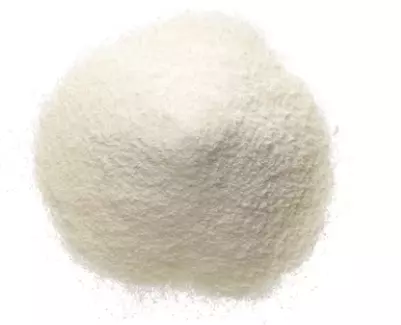
Sodium Metabisulfite (E223)
Found this useful?